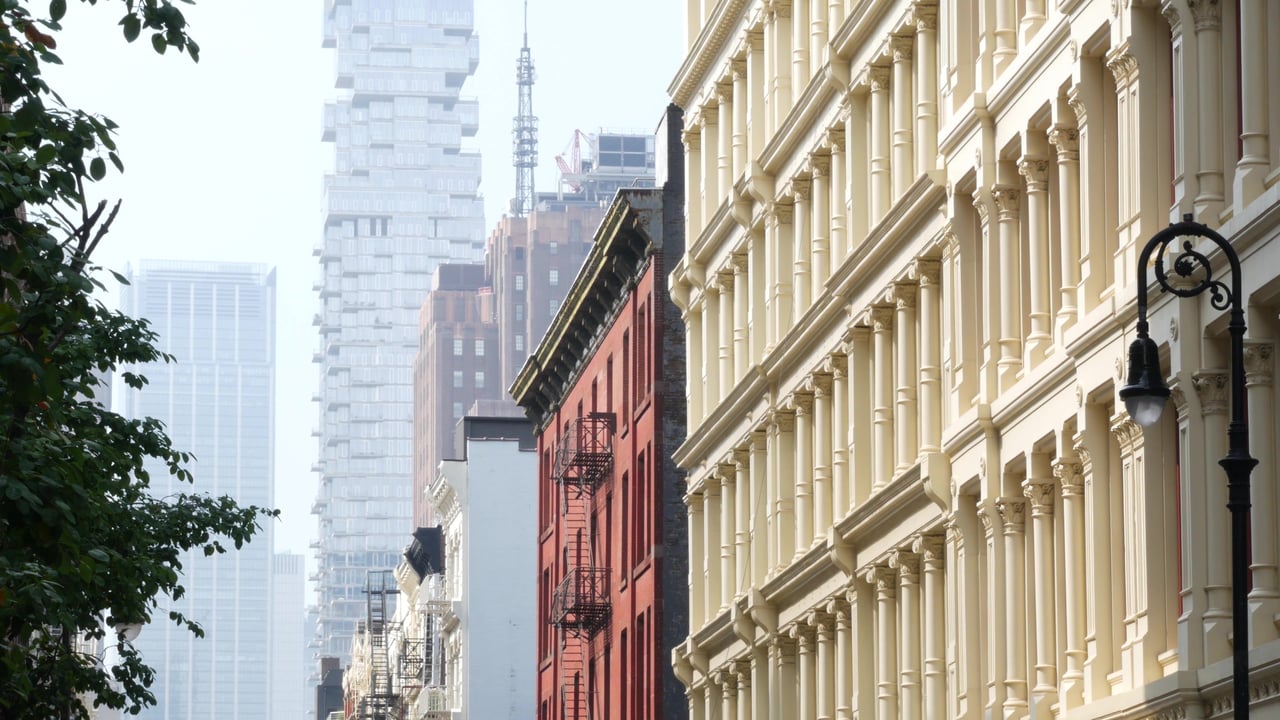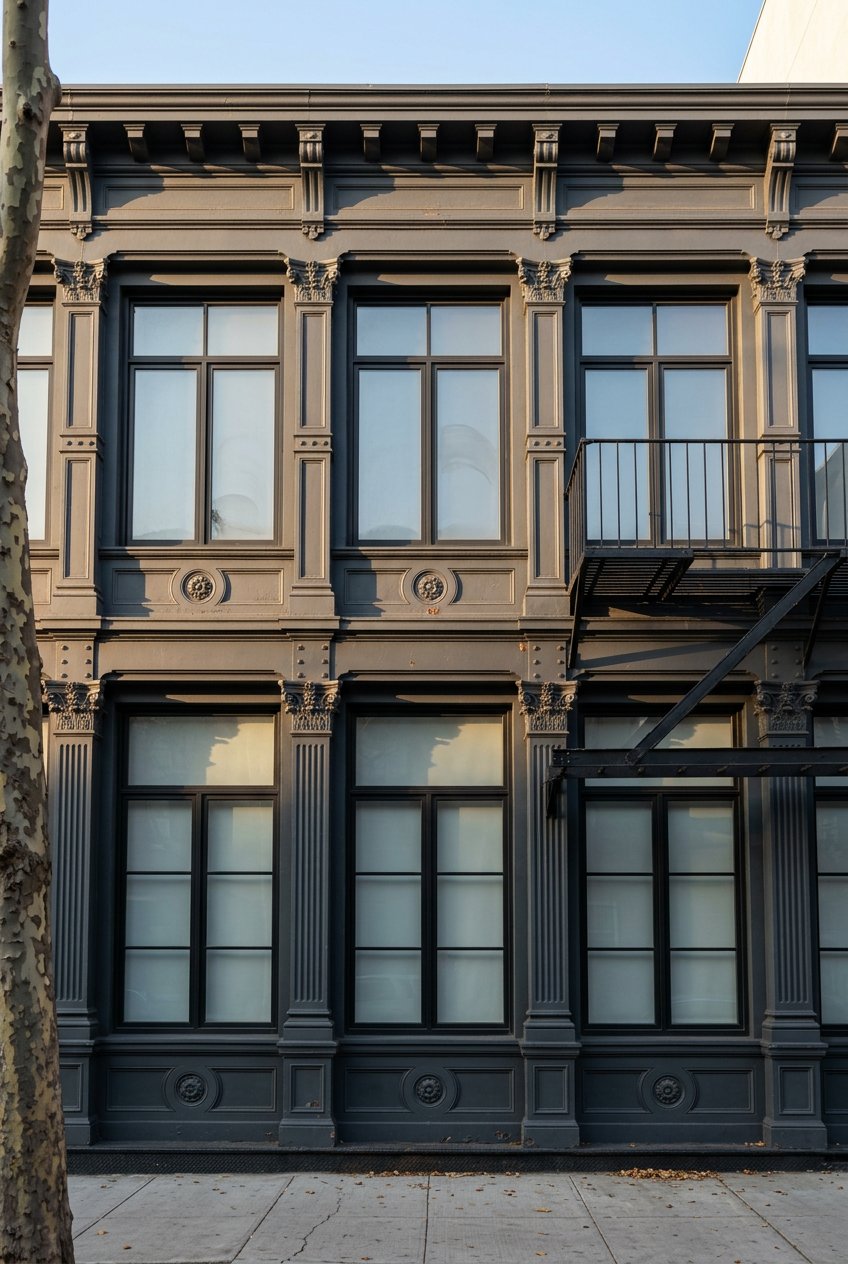
If you love great design, SoHo feels like the city welcoming you home. Cast‑iron façades line the streets, daylight pours through tall windows, and creative energy threads through galleries, showrooms and cafés. You want a neighborhood that looks as good as it lives, with architecture you can admire every day and homes that function for real life. In this guide, you’ll learn what gives SoHo its unique character, how to shop and renovate in a landmarked district, where to plug into the design scene, and what price context to expect. Let’s dive in.
Architecture you can live with
Cast‑iron façades: what to notice
SoHo’s identity starts with 19th‑century cast‑iron fronts. Prefabricated iron pieces allowed intricate ornament and larger windows, which later suited artist studios and loft living. Early pioneers like James Bogardus helped popularize the system that gave these blocks their visual rhythm. To go deeper on the design lineage, read about James Bogardus’s cast‑iron innovations.
Much of SoHo sits inside the SoHo‑Cast Iron Historic District, designated in 1973. If you are mapping your stroll or vetting a building, use the official LPC district map. This protection is why the façades look so cohesive today.
Inside a true SoHo loft
Former factories and warehouses created the interior DNA you see in many SoHo homes. Expect wide floor plates, high ceilings that can reach 12 to 20 feet or more, tall windows, and details like cast columns, timber or wide‑plank floors, and exposed mechanicals. These elements deliver flexible, gallery‑like space that designers and art collectors love.
There are practical tradeoffs. Large open rooms may mean fewer traditional bedrooms, and storage often relies on bespoke millwork. Heating and cooling can require thoughtful upgrades to meet modern comfort standards. If you prize clean lines and natural light, the payoff is real.
Icons to spot on a walk
Add a few architectural anchors to your route. The Haughwout Building is a classic of the genre and an easy reference point for cast‑iron composition. For context and a quick history read, see the Haughwout Building overview. If you want a curated path through notable façades, the local BID offers a cast‑iron walking resource you can explore on your phone via the SoHo Broadway Initiative.
Lifestyle for design minds
Galleries and institutions
SoHo was the downtown gallery hub for decades. While many commercial galleries shifted to Chelsea, the neighborhood still rewards a gallery‑hopping afternoon and continues to host respected institutions. The Drawing Center on Wooster Street anchors the scene with thoughtful shows and talks. Check current exhibitions and hours on The Drawing Center’s visit page.
Another cultural anchor is the Leslie‑Lohman Museum of Art on Wooster Street, focused on art that explores LGBTQIA+ experiences. Learn more about its mission and collection via the Leslie‑Lohman Museum overview.
Design retail and cafés
Design lovers start or end at the MoMA Design Store on Spring Street. It is a reliable place to browse timeless objects, books and well‑edited gifts, and a smart stop between gallery visits. Plan your visit with the MoMA Design Store SoHo page.
For a brasserie with an interior that feels like a set piece, Balthazar remains a classic. The room’s scale, mirrors and banquettes create a distinctive atmosphere that many design‑minded residents consider part of the neighborhood’s fabric. See details and menus at Balthazar.
Everyday rhythm and food shopping
SoHo hums. Retail is dense on Broadway, Prince and Spring, and foot traffic peaks on weekends. You will find smaller specialty markets nearby, with larger supermarkets a short walk in neighboring districts. Many residents embrace the energy as part of the neighborhood’s texture. If you prefer quieter blocks, explore Greene, Wooster and cobblestoned stretches just off Broadway.
Buying and renovating in a historic district
Loft Law basics to protect your purchase
New York’s Loft Law, Article 7‑C of the Multiple Dwelling Law, created a path to legalize certain residential lofts. Some SoHo units are fully legalized while others still carry obligations. Before you bid, ask your attorney and agent to verify the building’s certificate of occupancy, whether the unit has Loft Law coverage, and if any legalization deadlines or violations remain. You can review background with the city’s Loft Board overview.
Landmarks approvals 101
If a building is in the SoHo‑Cast Iron Historic District, exterior work visible from the street usually needs Landmarks Preservation Commission review. Routine repairs often qualify for staff‑level permits like a Certificate of No Effect or a Permit for Minor Work. More substantial changes, such as window re‑designs, storefront alterations, or rooftop additions, can require a public hearing and a Certificate of Appropriateness. Plan weeks for staff approvals and months for commission hearings. Start early with an architect who knows LPC rules. The city’s LPC permit guide outlines the major permit types and process.
Renovation priorities for loft living
True lofts reward thoughtful planning. Budget for custom millwork to add storage, careful HVAC integration to preserve ceiling height, and acoustic strategies for bedroom zones within open plans. In a historic district, align exterior‑facing work with LPC guidelines and allow time for DOB filing. Having an architect and contractor fluent in LPC and loft conversions will save time and help protect resale value.
Market snapshot: what to expect
SoHo ranks among Manhattan’s priciest neighborhoods. Recent vendor medians have clustered roughly between the low 3 million and low 4 million range for sold or listed homes, with individual condos and lofts trading much higher. Inventory skews to larger lofts and high‑end condos, with boutique co‑ops and smaller buildings in the mix. One exceptional penthouse can skew a monthly median, so always check the date on any price figure and compare multiple data sources.
A design lover’s day in SoHo
Morning
Start with coffee on a quiet side street and linger by a tall window to take in the light. Walk Wooster and Greene to study columns, cornices and fire escapes up close. Stop into the MoMA Design Store to browse the latest reissues and small‑object hits.
Midday
Head to The Drawing Center for a focused show. Then trace a gallery loop on Wooster and around Prince Street, where smaller project spaces and design boutiques cluster. If you have architecture on your mind, detour to the Haughwout Building and compare its ornament to surrounding façades.
Afternoon into evening
Browse a few curated showrooms, then settle in for an early dinner at Balthazar, where the room’s proportions, mirrors and brass details tell their own story. Afterward, enjoy a twilight walk along cast‑iron blocks, when the façades glow and window displays read like small gallery boxes. If you want a themed route, the SoHo Broadway Initiative’s walking resource highlights cast‑iron landmarks you can map in minutes.
Quick checklist for buyers
- Verify building status: Loft Law coverage, certificate of occupancy, and ownership form (co‑op or condo). Start with the city’s Loft Board overview.
- Confirm whether the building is inside the SoHo‑Cast Iron Historic District using the LPC district map.
- Plan for LPC filing if you anticipate exterior work. Review permit types in the LPC permit guide and build extra time into your schedule.
- Budget for loft‑specific upgrades: bespoke storage, HVAC integration and acoustics, plus professional fees for architect, engineer and filing.
- For design walks and neighborhood context, use the SoHo Broadway Initiative guide.
Ready to see how these spaces live in person or to discuss a discreet search plan tailored to your goals? Reach out to James Weiss NYC to schedule a private consultation and get expert guidance on SoHo’s loft market.
FAQs
Are SoHo lofts legal residences?
- Some are legalized under the Loft Law and some are not; verify Loft Law coverage and the building’s certificate of occupancy, and review the city’s Loft Board overview for context.
What approvals do I need to change windows or a storefront in SoHo?
- Exterior changes visible from the street usually require Landmarks Preservation Commission review, ranging from staff‑level permits to a Certificate of Appropriateness; the LPC permit guide explains the pathways.
Is SoHo still an art‑gallery neighborhood today?
- Yes, but in a different way; several major galleries moved to Chelsea, yet SoHo remains active with nonprofit institutions, independent galleries and project spaces such as The Drawing Center.
Will I find design shops and showrooms in SoHo?
- Yes; the retail mix evolves, but anchors like the MoMA Design Store and curated boutiques make it easy to browse design objects and furniture throughout the year.