If you are deciding between Midtown East and Midtown West homes, the right choice often comes down to how you want your day to feel. Both sides of Midtown put you close to major transit, cultural destinations, and iconic Manhattan streetscapes, but they offer meaningfully different living environments. This guide will help you compare building styles, daily routines, commute patterns, and neighborhood character so you can choose with more clarity. Let’s dive in.
Midtown East vs Midtown West at a glance
At a high level, Midtown East tends to feel more established, architecturally layered, and shaped by preservation. City planning materials center East Midtown roughly from East 39th to East 57th Streets between Fifth Avenue and Second Avenue, with a built environment influenced by Grand Central, Park Avenue, and landmarked properties.
Midtown West is broader and more varied. It includes areas such as Hudson Yards, Hell’s Kitchen or Clinton, the Theater District, and the Penn Station and Port Authority corridor. In practice, that creates a west side experience that blends older residential blocks, major transit infrastructure, and newer tower districts.
Building character and housing stock
Midtown East homes
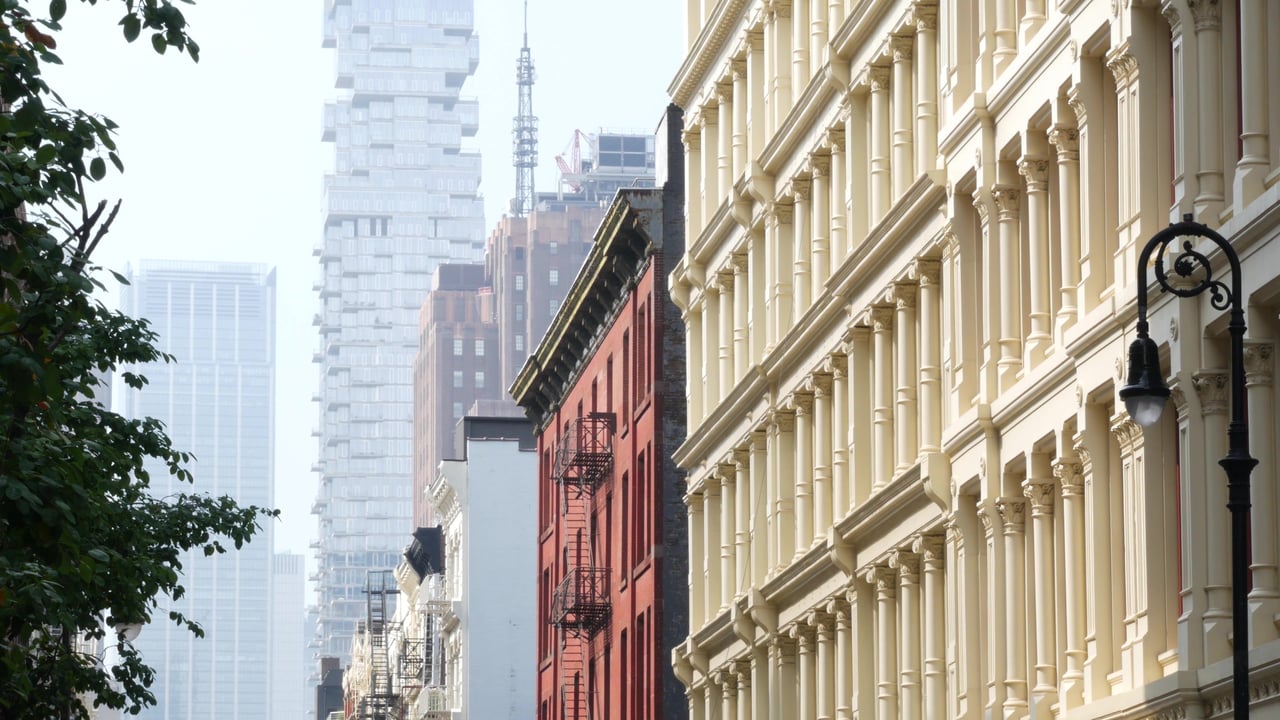
If you are drawn to classic Manhattan architecture, Midtown East may feel like the more natural fit. The area includes a notable concentration of landmarks and historic fabric, which helps explain why many blocks feel traditional, detailed, and visually consistent.
For buyers, that often translates into a housing mix with prewar co-ops, older luxury condominiums, and selective newer development. The overall impression is less uniformly new and more shaped by long-standing architecture and preservation priorities.
Midtown West homes
Midtown West offers a wider spread of building types within a relatively compact search area. In Hudson Yards, you will find newer condo towers and a purpose-built mixed-use setting with substantial open space, retail, and restaurants.
Elsewhere on the west side, especially in Clinton or Hell’s Kitchen, the built environment can shift toward older and smaller-scale residential stock. Official zoning in the Special Clinton District aims to preserve and strengthen that residential character, so the west side can feel more mixed in age, scale, and streetscape.
Lifestyle and daily rhythm
What Midtown East feels like
Midtown East is closely tied to Grand Central and the public spaces around it. The area’s daily rhythm is often shaped by office commuters, classic building stock, and improved pedestrian spaces around Park Avenue and nearby plazas.
You also have easy access to destinations such as Bryant Park and the area around the United Nations. Recent public realm improvements have focused on plantings, public art, lighting, and plazas, which contributes to a more polished and orderly street experience in parts of the neighborhood.
What Midtown West feels like
Midtown West generally leans more into activity, entertainment, and destination-driven energy. Hudson Yards was built as a mixed-use neighborhood with the 7 train, public squares, retail, restaurants, and open space, while the broader west side includes Times Square pedestrian areas, Rockefeller Center programming, and the Theater District.
That can be a strong match if you want your home base near newer amenities and evening activity. At the same time, some west side corridors can feel busier due to heavy transit infrastructure and regional traffic patterns.
Transit and commute fit
Why Midtown East works for some buyers
If your regular travel takes you to Long Island, Queens, or the northern suburbs, Midtown East has a particularly strong rail story. Grand Central Madison began full Long Island Rail Road service in 2023, giving riders direct access to Midtown East from Long Island and Queens.
Grand Central Terminal also anchors the 4, 5, 6, 7, and Shuttle subway lines, along with Metro-North. Crosstown bus routes such as the M42 and M57 can also make east-west movement more manageable if you live on the east side but work elsewhere in Midtown.
Why Midtown West works for others
If New Jersey is part of your routine, Midtown West is often the more practical choice. Penn Station connects you to Amtrak, Long Island Rail Road, and NJ Transit, while nearby subway access includes the 1, 2, 3, and A, C, E lines.
The west side also benefits from the PATH at 33rd Street and the Port Authority Bus Terminal. For buyers focused on the far west side, the 34 St-Hudson Yards station on the 7 line adds direct service that can simplify daily movement.
Street experience and pace
One of the biggest differences between these two areas is how the streets feel when you step outside. Midtown East often reads as more composed, in part because recent planning efforts around Grand Central have emphasized pedestrian improvements and public-space upgrades.
Midtown West can feel more intense on certain blocks. City transportation study findings for Clinton and Hell’s Kitchen point to congestion related to Lincoln Tunnel spillover and frequent conflicts among pedestrians, buses, and cars. That does not define every block on the west side, but it is an important part of the day-to-day experience to weigh.
Which side better fits your priorities?
Choosing between Midtown East and Midtown West becomes easier when you focus on your actual routine rather than a broad idea of Midtown. Start with the trip you make most often, then layer in your building preferences and the street atmosphere you enjoy.
Here is a simple framework to use:
- Choose Midtown East if you prefer a more classic and preservation-aware setting.
- Choose Midtown East if your travel frequently involves Long Island, Queens, or Metro-North service.
- Choose Midtown East if you want a neighborhood feel shaped by Grand Central, Park Avenue, and established Midtown streetscapes.
- Choose Midtown West if you want easier access to Penn Station, NJ Transit, PATH, or the Port Authority area.
- Choose Midtown West if you are drawn to newer towers, mixed-use development, and amenity-rich living.
- Choose Midtown West if you want to be closer to theater, destination retail, and more active evening energy.
A useful lens for pied-à-terre buyers
For pied-à-terre buyers, this decision is often less about broad labels and more about efficiency. If you know which terminal, rail line, or regional connection you will use most, choosing the side that shortens that trip can make ownership meaningfully easier.
From there, the lifestyle choice usually becomes clearer. Midtown East generally supports a quieter, more traditional routine with historic context, while Midtown West tends to align with newer construction, event-driven energy, and west-side transit convenience.
Why professional guidance matters in Midtown
Even within these broad patterns, Midtown is highly block-by-block. A classic co-op near Grand Central and a newer condo in Hudson Yards serve very different needs, and even within Midtown West, the experience can shift quickly between residential side streets and major transit corridors.
That is where thoughtful guidance adds value. A strong advisor can help you compare not just neighborhoods, but also building type, access patterns, and the tradeoffs that matter most for how you actually plan to live in the space.
If you are weighing Midtown East against Midtown West, James Weiss NYC can help you refine the search with discreet, hands-on guidance tailored to your priorities.
FAQs
What is the main difference between Midtown East and Midtown West homes?
- Midtown East generally feels more classic and preservation-aware, while Midtown West is often more mixed between older residential blocks, major transit corridors, and newer tower development.
Which area is better for commuting to Long Island or Queens from Midtown?
- Midtown East is usually the stronger fit because Grand Central Madison provides direct Long Island Rail Road access to Midtown East, and Grand Central also connects to major subway lines.
Which area is better for commuting to New Jersey from Midtown?
- Midtown West is usually more convenient because of Penn Station, NJ Transit, PATH at 33rd Street, and the Port Authority Bus Terminal.
Are Midtown West homes mostly newer buildings?
- Not entirely. Hudson Yards is known for newer condo towers, but Midtown West also includes older and smaller-scale residential stock in areas such as Clinton or Hell’s Kitchen.
Does Midtown East have more historic building character?
- Yes. The concentration of landmarks and the area’s layered development history contribute to a more traditional and architecturally established feel.
Is Midtown West busier than Midtown East?
- In some areas, yes. Parts of Midtown West experience heavier congestion and more transit-related activity, while recent public realm improvements in East Midtown have aimed to improve the pedestrian experience.