If you are thinking about a SoHo cast-iron loft as a long-term investment, the biggest question is not whether the neighborhood is desirable. It is whether a specific loft combines lasting scarcity with a manageable ownership profile. In a market where architecture, legal status, and building structure can all shape future value, you need a more careful lens than price alone. This guide breaks down what really matters so you can evaluate SoHo lofts with clarity. Let’s dive in.
Why SoHo lofts stand apart
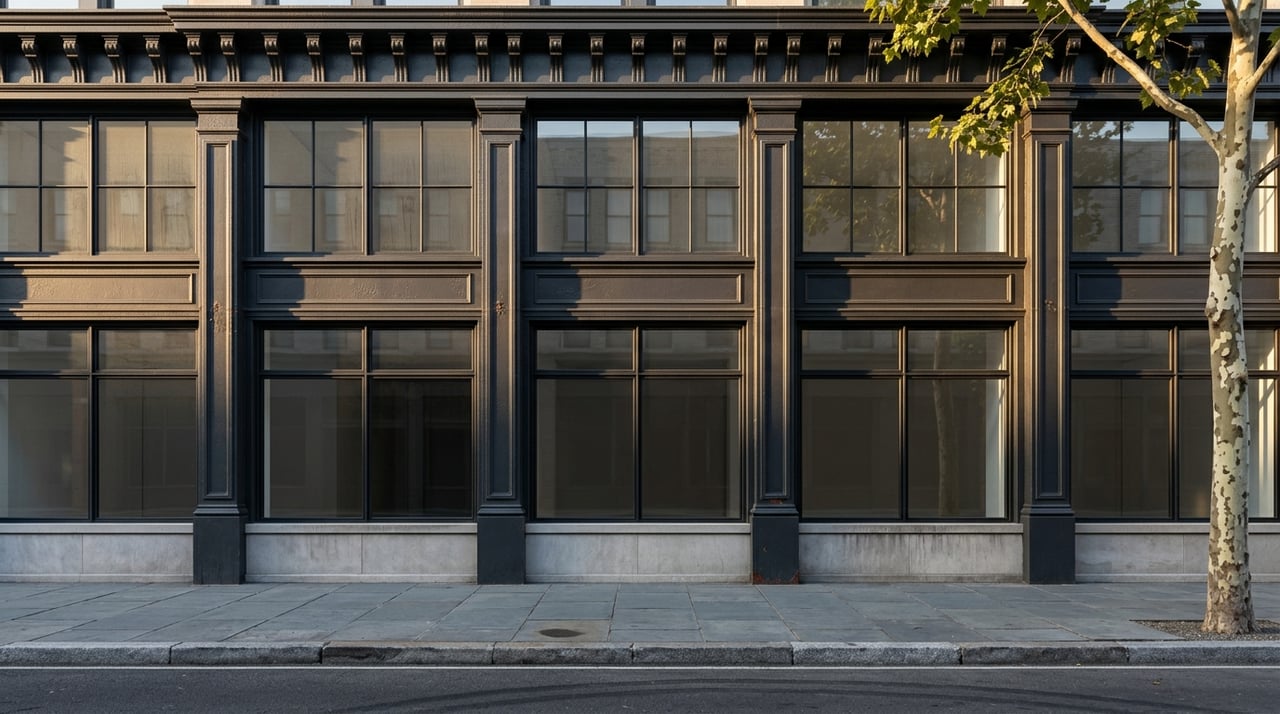
SoHo cast-iron lofts occupy a rare place in Manhattan real estate. The SoHo-Cast Iron Historic District was designated in 1973, with an extension added in 2010, and designated buildings require advance approval for alterations, reconstruction, demolition, or new construction. That preservation framework helps protect the neighborhood’s physical character.
From a long-term investment perspective, that matters because protected architecture is hard to replicate. LPC describes the district as a collection of post-Civil War store-and-loft buildings with cast-iron fronts and cohesive streetscapes tied to SoHo’s industrial past. In practical terms, you are not buying interchangeable inventory.
Scarcity supports long-term appeal
Scarcity is one of the clearest reasons buyers stay interested in SoHo lofts over time. Historic designation limits the kind of change that can dilute the neighborhood’s built identity. That tends to support differentiation rather than create a pipeline of lookalike new supply.
Just as important, SoHo offers a very specific product type. Many buyers are drawn to volume, ceiling height, light, and original architectural character, not just address or square footage. That specialized appeal can help sustain demand even when the broader market shifts.
What SoHo pricing tells you
Public market snapshots consistently place SoHo in the premium tier of downtown Manhattan. PropertyShark’s April 2026 data shows a median sale price of $2.8 million and a median price per square foot of $2,313, while its 2025 year-end summary placed SoHo at a $3.73 million median sale price. Other sources in the research report also show multimillion-dollar pricing.
The exact figure matters less than the pattern. Across sources, SoHo remains an expensive downtown submarket with meaningful demand. At the same time, sales volume is relatively small, which means monthly medians can move sharply when a few large closings occur.
Premium market, but not instant liquidity
A long-term investment is not only about value. It is also about your likely exit path. SoHo shows strong pricing power, but the market is more specialized than broad-based, which can mean liquidity is solid without being immediate.
That distinction is important if you expect a quick resale. Realtor.com’s snapshot in the research report showed median days on market at 64 and a 94% sale-to-list ratio. In other words, SoHo can command a premium, but buyers should still plan around a measured luxury-market timeline rather than assume instant turnover.
Condo vs co-op changes the investment story
In SoHo, ownership structure can shape your experience almost as much as the loft itself. PropertyShark’s April 2026 figures showed a median of $7.9 million for SoHo condos versus $2.7 million for co-ops. That is a major spread, and it points to very different buyer pools and resale dynamics.
A condo and a co-op on the same block may look similar on paper, yet behave very differently in the market. Approval processes, carrying costs, and future buyer flexibility can all vary. If you are evaluating a loft as a long-term hold, this is one of the first distinctions to make.
Why structure affects your exit
Condos often appeal to a broader luxury buyer pool, while co-ops can involve more friction in the transaction process. In a neighborhood with already limited sales volume, that difference can affect both marketing strategy and resale timing.
This does not make one format automatically better. It means you should match the building type to your goals, timeline, and tolerance for complexity. A beautiful loft is only part of the investment case.
Renovation upside comes with more steps
Many SoHo buyers see renovation potential as part of the opportunity. That can be true, but landmark status adds time and process. LPC requires prior review for most alterations, and even interior work can trigger review if it needs a DOB permit or affects the exterior.
That means your budget should include more than contractor bids. You may also need to account for design fees, approvals, and extra contingency. The good news is that landmark designation does not freeze a building in place. Alterations are still possible when they are properly planned and reviewed.
Plan for soft costs and timing
In a non-landmarked property, you might underwrite renovation around construction cost and schedule alone. In SoHo, that would be too simplistic. Approval timing and compliance can affect your carry period, your design choices, and your total project cost.
For long-term investors, the lesson is straightforward: assume a more conservative renovation model. If the value-add still works under those conditions, the thesis is stronger.
Legal occupancy can change everything
One of the most important diligence issues in SoHo is legal use and occupancy. The 2021 SoHo/NoHo Neighborhood Plan created the Special Soho-Noho Mixed Use District and changed the zoning framework. DOB states that the plan created a voluntary path to convert conforming JLWQA space to residential use, while also setting rules around grandfathered occupants, permits, certification, and certificates of occupancy.
This matters because two lofts that appear similar may have very different legal and economic profiles. One may already be fully residential, while another may involve JLWQA history or a more complicated occupancy path. That can affect cost, timing, and future resale.
Building-by-building review matters
This is not a topic you can solve by relying on a neighborhood headline. The legal status of a specific unit and building matters more than the SoHo label alone. If residential conversion is involved, the process can require CPC chair certification, DOB permits, a new or amended certificate of occupancy, and a one-time $100 per square foot contribution to the SoHo-NoHo Arts Fund.
For a buyer, that means careful upfront review is essential. A loft’s romance should never distract from its paperwork.
Loft Board issues can add another layer
Some SoHo buildings may also involve Loft Board considerations. Where a building is still under Loft Board jurisdiction, DOB requires a Letter of No Objection for proposed work in non-IMD spaces, and the owner must keep annual IMD registration current, pay fines and fees, and show reasonable steps toward legalization.
This can slow renovation and increase soft costs. It can also narrow your margin for error if you are underwriting future improvements. If a loft investment depends on quick execution, you will want to understand this layer early.
Carrying costs deserve close review
In high-value Manhattan real estate, purchase price is only one part of the equation. Ongoing ownership costs can differ meaningfully from one SoHo loft to another. NYC class 2 includes co-op and condo buildings that are four stories or higher, and the FY 2025/2026 class 2 tax rate is 12.439%, though actual bills depend on assessed value, abatements, exemptions, and other charges.
The co-op and condo tax abatement can also matter, but eligibility depends on the building and unit structure, and the board applies at the building level. Two lofts with similar asking prices may therefore carry very different tax profiles. That can affect both your annual cost and your resale competitiveness.
Closing costs are significant in SoHo price ranges
At closing, transaction costs can be substantial. NYC’s real property transfer tax is 1% up to $500,000 and 1.425% above that for residential transfers. New York State’s mansion tax adds 1% on residences with consideration of $1 million or more.
Given typical SoHo pricing, these costs are not minor. They should be treated as part of your all-in basis from day one. For long-term investors, that helps frame the hold period you may need for the numbers to work.
Maintenance is part of preserving value
Landmarked buildings must be kept in a state of good repair, and LPC can issue violations for neglect. That is more than a compliance footnote. In a neighborhood where architecture is central to value, the condition of the façade, windows, and visible systems directly supports the asset’s long-term appeal.
For buyers, this reinforces the need to review building stewardship carefully. A well-maintained cast-iron loft may justify its premium more convincingly than one in a building that has deferred visible upkeep.
A simple framework for evaluating a loft
When you look at a SoHo cast-iron loft as a long-term investment, three questions can help keep the analysis grounded:
- Is the asset genuinely scarce?
- Is the likely resale market deep enough for your timeline?
- Is the unit legally and operationally straightforward to own and improve?
In SoHo, the first answer is often yes. The second and third answers usually depend on the building type, legal occupancy status, landmark implications, and any Loft Board issues.
What strong opportunities often share
The most compelling long-term candidates often have several traits in common:
- Clear residential legal status
- A building form that fits your target future buyer pool
- Predictable carrying costs
- Realistic renovation potential
- Strong building maintenance and stewardship
- Architecture that stands out even within SoHo
That does not guarantee performance. It does help separate a beautiful property from a durable investment case.
Why local guidance matters in SoHo
SoHo lofts can reward patient buyers who understand what they are purchasing. They can also punish assumptions, especially when legal status, approvals, and building structure are not reviewed closely. In this market, nuance is not optional.
If you are weighing a purchase or planning a future sale, detailed building-level analysis matters far more than broad neighborhood hype. For tailored guidance on SoHo lofts, co-ops, condos, and complex Manhattan transactions, you can request a private consultation with James Weiss NYC.
FAQs
What makes SoHo cast-iron lofts different from other downtown properties?
- SoHo cast-iron lofts stand out because they sit within a historic district defined by protected post-Civil War store-and-loft buildings, which creates architectural scarcity and a distinct buyer appeal.
Are SoHo lofts considered liquid long-term investments?
- SoHo remains a premium downtown market, but liquidity is more measured than instant because transaction counts are relatively small and the buyer pool is specialized.
How does condo versus co-op ownership affect a SoHo loft investment?
- Condo and co-op lofts can have very different pricing, buyer pools, approval processes, and resale paths, so ownership structure is a major part of the investment analysis.
Do renovations in SoHo landmark buildings require extra approvals?
- Yes, many alterations require LPC review, and some interior work can also trigger review if it needs a DOB permit or affects the exterior.
Why does legal occupancy matter when buying a SoHo loft?
- Legal occupancy can affect whether a unit is straightforward to use, renovate, finance, and resell, especially if JLWQA history or conversion steps are involved.
What taxes and carrying costs should buyers review for SoHo lofts?
- You should review property taxes, any co-op or condo tax abatement status, and closing costs such as NYC transfer tax and New York State mansion tax, since these can materially affect your all-in investment basis.