You do not need a glass tower to find luxury in Greenwich Village. In one of Manhattan’s most historic and tightly held neighborhoods, a different kind of high-end living has taken center stage. If you are weighing a Village purchase or trying to understand what drives value here, this guide will show you why boutique condos have become such a defining part of the market. Let’s dive in.
Greenwich Village luxury looks different
Greenwich Village has long stood apart from other downtown neighborhoods. StreetEasy shows a median sale price of about $1.4 million, while PropertyShark’s March 2026 data puts the median at $1.5375 million, with pricing around $1,769 per square foot and 61 transactions. Those figures use different methods and timeframes, but together they point to the same reality: this is a high-priced, supply-constrained market.
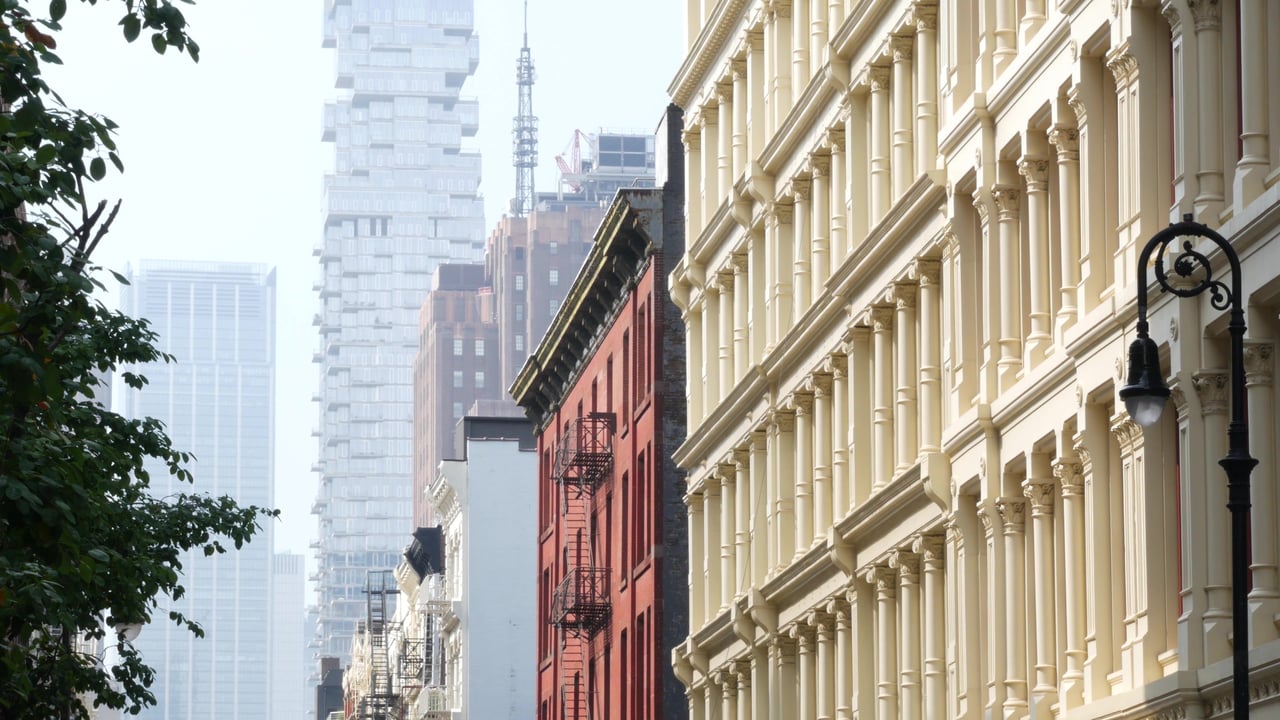
That context matters because Greenwich Village does not read like many other luxury enclaves. StreetEasy describes the area as a neighborhood of older housing stock, frequent walk-ups, and no high-rises. In a place where the built environment feels intimate and established, any new or newly converted condo can stand out in a major way.
Compared with nearby downtown neighborhoods, Greenwich Village sits above West Village and Chelsea on median sale price, according to PropertyShark’s March 2026 data. At the same time, it remains below Flatiron, Hudson Square, SoHo, NoHo, and Tribeca. That middle position helps explain why Village luxury often feels less about scale and more about rarity.
Why boutique condos stand out here
The biggest reason is simple: new supply is hard to create. The Greenwich Village Historic District was designated in 1969, and the Landmarks Preservation Commission says it was the largest historic district in the city at the time, covering more than 2,000 buildings across 65 blocks. It remains the largest historic district in New York City.
That designation shapes what gets built and how. The LPC states that alterations, reconstruction, demolition, and new construction affecting designated buildings require advance approval, and most alterations in historic districts generally need permits. In practical terms, that does not stop development, but it does make large-scale luxury projects more difficult and tends to favor smaller, carefully scaled buildings, conversions, and infill projects.
For buyers, that restriction changes the meaning of luxury. In many neighborhoods, luxury is delivered through height, size, and amenity volume. In Greenwich Village, luxury is more often expressed through privacy, architectural sensitivity, and the rarity of finding a modern condominium product in a landmarked setting.
Boutique scale is the new prestige
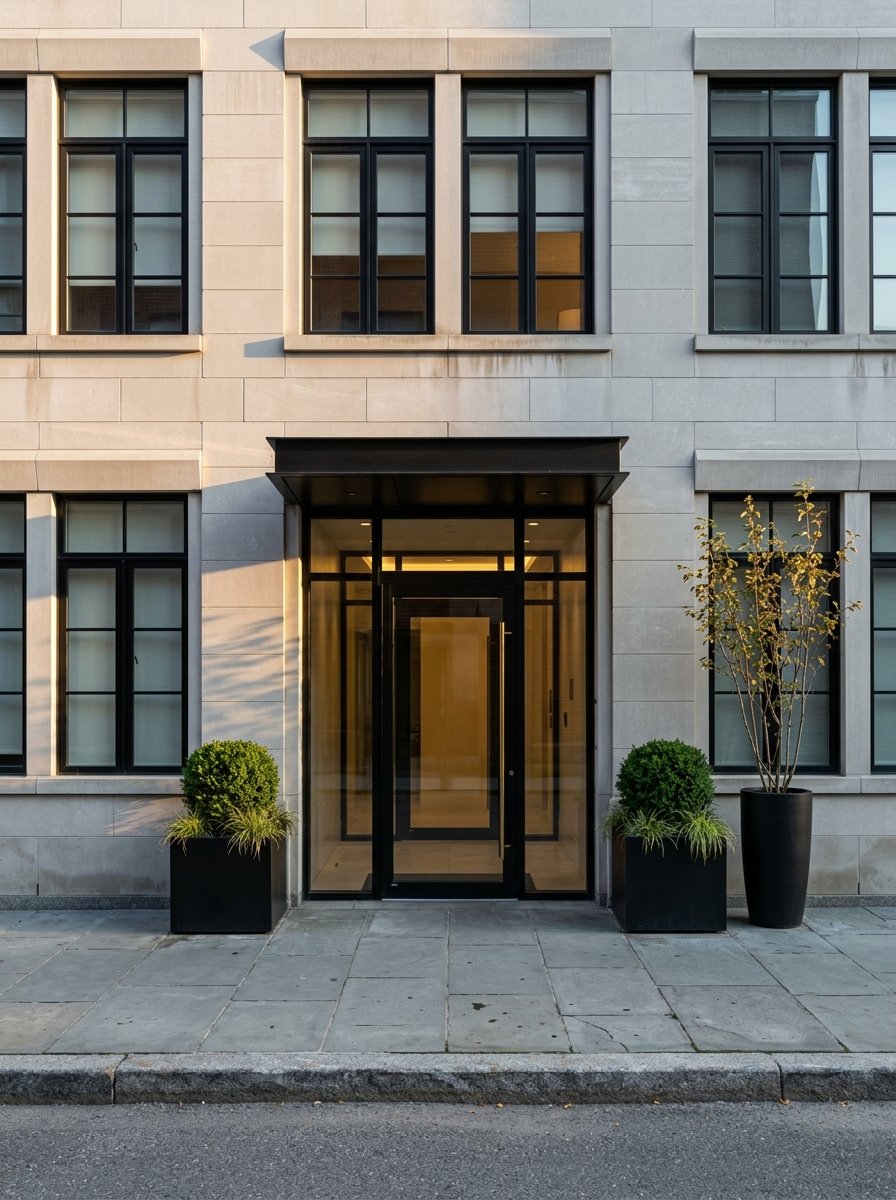
Several recent projects show this shift clearly. At 26 West 9th Street, a 1923 pre-war residential building has been converted into a 45-unit condominium that blends original character with updated interiors and systems. That kind of conversion reflects a Village-specific formula: preserve the setting, then modernize the living experience.
At 181 MacDougal, the scale narrows even further. The building has just 16 residences and offers a 24/7 doorman concierge, a library, and a fitness center. Its positioning reflects a broader truth about Greenwich Village: when new condo opportunities do appear within a landmark district, they are unusual enough to command attention from buyers who value discretion and scarcity.
Then there is Sixteen Fifth Avenue, which pushes the boutique idea to the top end of the market. With 12 full-floor residences and two penthouses, it totals just 14 homes. Its amenity package includes a dining room, catering kitchen, tranquility lounge, private lounge, fitness center, golf simulator suite, private storage, and bike storage.
Even older condo stock reinforces the point. Parc Village, completed in 1985, has 44 units and includes a roof deck, elevator, outdoor entertainment space, full-time doorman, and live-in superintendent. Across these properties, the pattern is consistent: Greenwich Village luxury is being defined less by sheer building size and more by low unit counts, service, design pedigree, and privacy.
What buyers are really paying for
If boutique condos often trade at a premium, the premium is not only about finishes. It also reflects the legal structure of condo ownership, the scarcity of product, and the lifestyle advantages that come with these buildings.
The New York City Bar explains that co-op buyers purchase shares in a corporation and receive a proprietary lease, while condo buyers purchase an individual unit as real property along with an undivided interest in the common areas. That distinction may sound technical, but it has very practical effects on the ownership experience.
StreetEasy’s 2026 explainer notes that co-ops usually involve stricter board applications, interviews, and financial requirements. Condos generally have a simpler approval process and are more likely to offer flexibility for subletting, pied-à-terre use, and future resale. In a neighborhood where many buyers value ease, optionality, and long-term liquidity, those differences matter.
PropertyShark’s March 2026 numbers make the premium visible. The median condo sale price in Greenwich Village was $3.3 million, compared with $1.2 million for co-ops. Condo pricing was also around $2,000 per square foot, compared with about $1,000 per square foot for co-ops, even though condo transactions were fewer, at 12 versus 49 co-op transactions.
That spread suggests buyers are paying for more than a renovated kitchen or better finishes. They are often paying for a scarce ownership format in a neighborhood with limited condo inventory, plus the convenience and flexibility that condos can provide. In a place like Greenwich Village, where the supply of this product is naturally restricted, that difference can be meaningful.
When a boutique condo premium makes sense
Paying more can make sense when the building offers something truly hard to replicate in Greenwich Village. That may be a very low number of residences, a full-floor layout, private outdoor space, context-sensitive architecture, or full-service staffing. In these cases, the premium often reflects a combination of rarity, design, and ease of ownership.
This can be especially appealing if you want a pied-à-terre, expect to travel often, or value a smoother resale path down the line. Buyers looking for a turn-key home in a historic downtown setting may also see strong value in a well-executed condo conversion or new boutique development. In short, the appeal is often about less friction and more privacy.
The premium may be less compelling if your top priority is maximizing interior space at the lowest possible price per square foot. In that case, a Greenwich Village co-op may still offer a more attractive entry point. If you are comfortable with board approval and more restrictive building policies, a co-op can remain a strong option in the neighborhood.
What this means for buyers today
If you are shopping Greenwich Village, it helps to think beyond the broad label of luxury. In this market, luxury may mean a small building with only a handful of neighbors, a pre-war facade with modern infrastructure behind it, or a home that offers unusual ownership flexibility in a district dominated by older stock. The definition is narrower, but often more refined.
It also means inventory should be viewed through a scarcity lens. StreetEasy currently lists 67 condos for sale in Greenwich Village, which helps explain why even a small wave of new listings can influence buyer perception and pricing conversations. In a market this tight, product type matters almost as much as square footage.
For many buyers, the best approach is to compare not only layouts and finishes, but also building scale, service level, approval requirements, and long-term flexibility. Those factors often explain why two homes in the same neighborhood can command very different values. In Greenwich Village, the story behind the building is often part of the asset itself.
Why this trend matters for sellers
For sellers, boutique condos benefit from a narrative advantage. These homes are not just competing on bedrooms and bathrooms. They are often competing on rarity, architectural context, privacy, and ownership structure, which can create a stronger value story when presented well.
That is particularly true in Greenwich Village, where the market backdrop naturally limits direct substitutes. A small-scale condo in a landmarked neighborhood may attract buyers looking for something very specific and difficult to find elsewhere downtown. When that positioning is clear, it can sharpen demand among qualified purchasers.
For owners considering a sale, this means marketing should do more than list features. It should explain why the property is distinctive within the Village itself, whether that distinction comes from full-floor living, service, flexible ownership, or the unusual chance to own a modern condo residence in a protected historic setting.
If you are considering buying or selling in Greenwich Village, working with an advisor who understands the nuance between condos, co-ops, and boutique luxury product can make a real difference. For discreet, high-touch guidance tailored to Manhattan’s premium market, request a private consultation with James Weiss NYC.
FAQs
What makes a boutique condo in Greenwich Village different from a typical luxury condo?
- In Greenwich Village, boutique condos are usually defined by low unit counts, privacy, carefully scaled design, and the rarity of condo product within a historic, low-rise neighborhood.
How expensive are condos in Greenwich Village compared with co-ops?
- PropertyShark’s March 2026 data shows a median condo sale price of $3.3 million in Greenwich Village, compared with $1.2 million for co-ops.
Why are new luxury buildings rare in Greenwich Village?
- The Greenwich Village Historic District includes more than 2,000 buildings across 65 blocks, and the Landmarks Preservation Commission requires approval for many changes, which makes large-scale new development more difficult.
What ownership advantages do Greenwich Village condos offer buyers?
- Compared with co-ops, condos generally offer a simpler approval process and more flexibility for subletting, pied-à-terre use, and resale, according to StreetEasy and the New York City Bar.
When does paying more for a Greenwich Village boutique condo make sense?
- The premium can make sense if you value privacy, low-density living, flexible ownership, full-service amenities, or a rare modern home in a historic neighborhood.
Are co-ops still a strong option in Greenwich Village?
- Yes. If your main goal is lower entry pricing or more interior space for the money, a co-op may still be a compelling choice if you are comfortable with board requirements and building rules.