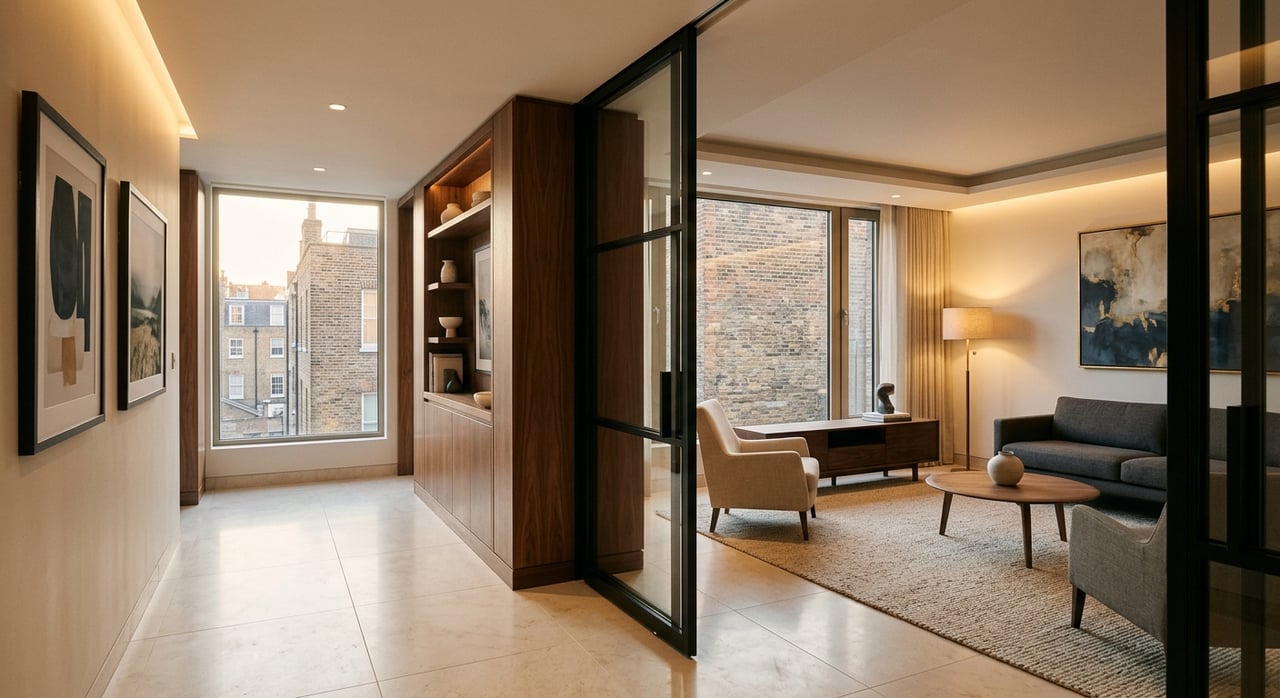
If your Upper East Side home is not getting immediate traction, the issue may not be the address. More often, it is how the home is being positioned for a buyer who has spent months studying listings, comparing layouts, and negotiating carefully. If you are thinking about selling, the good news is that smart preparation can help your property stand out without overcorrecting. Let’s dive in.
Understand today’s Upper East Side buyer
The Upper East Side remains one of Manhattan’s most established premium markets, but buyers are still price aware and selective. Public market snapshots from spring 2026 show meaningful inventory, median days on market in the mid-50s to low-60s, and sale prices often landing below asking. In practical terms, that means your home needs to present clearly, feel worth the number, and compare well against nearby alternatives.
That caution is not just local. Manhattan-wide data from late 2025 showed co-ops and condos both taking more than two months on average to sell, with typical listing discounts in the 4% to 5.9% range. Buyers are participating, but they are paying close attention to condition, layout, and value.
Today’s NYC buyer also tends to arrive informed. StreetEasy’s 2024 buyer survey found that most prospective buyers had already viewed homes online, many had been searching for six months or longer, and nearly three-quarters expected to use a mortgage. By the time someone books a showing, they often already have a mental shortlist.
Lead with clarity online
Before a buyer ever steps into your home, they are judging how easy it is to understand. Zillow’s 2025 buyer research found that floor plans were the single most important listing feature for 33% of buyers, followed by high-resolution photography at 26% and 3D tours at 20%. That tells you something important: presentation is not just about beauty. It is about reducing uncertainty.
An Upper East Side listing should help a buyer grasp the home’s flow, scale, and daily livability right away. If the layout is efficient, show it. If the rooms have flexibility, explain it. If storage is unusually strong, make that explicit rather than assuming buyers will infer it from photos.
This matters even more in a neighborhood where inventory spans co-ops, condos, and townhouses with very different floor plans and ownership structures. The easier you make the decision to visit, the stronger your odds of attracting the right buyer pool.
What your listing should communicate fast
- Natural light and orientation
- Room flow and scale
- Storage and closet utility
- Distinctive prewar or architectural details
- Outdoor space, if any
- Access to neighborhood amenities such as Central Park, Museum Mile, and Madison Avenue retail
Those neighborhood cues already shape how buyers think about the Upper East Side. The strongest marketing uses them with discipline and specificity, not with generic luxury language.
Price from the building outward
In the Upper East Side, broad neighborhood numbers are useful background, but they are not a pricing strategy. Realtor.com and StreetEasy show different median sale figures and days on market because they use different methods and time windows. That is exactly why building-level and block-level comparisons matter most.
A buyer deciding between two homes on the same avenue or even in the same building is not focused on a borough-wide average. They are comparing maintenance or common charges, renovation quality, light, floor height, views, and whether the asking price leaves room for post-closing work. If your price ignores those details, buyers will notice quickly.
This is especially true for co-ops. StreetEasy’s 2024 survey showed far fewer buyers preferring co-ops than condos or townhouses. That does not mean a co-op cannot sell well. It means your pricing and presentation should reduce friction and make the value proposition obvious.
Match the strategy to the property type
Different Upper East Side homes need different positioning.
Positioning a co-op
For a co-op, confidence comes from order and transparency. Buyers want to understand the home, but they also want to understand the building process, financial expectations, and whether the apartment feels worth the extra effort that co-op ownership can involve.
That is why clean presentation matters so much. A co-op listing benefits from a straightforward floor plan, polished rooms, strong storage storytelling, and clear documentation. The more organized the offering appears, the easier it is for a buyer to move forward.
Positioning a condo
Condos can lean more heavily into flexibility, design, and convenience. If your condo offers a modern renovation, better amenity alignment, or a turnkey experience, that should be visible in both the imagery and the copy. Buyers often respond to the feeling that they can settle in quickly with minimal friction.
Still, flexibility alone does not replace substance. Your condo should also show how the space works day to day, especially if the floor plan is unconventional or compact by square footage.
Positioning a townhouse
For a townhouse, the narrative often expands beyond rooms and finishes. Buyers may be weighing scale, privacy, outdoor access, entertaining flow, and long-term usability. The most effective positioning gives structure to those advantages so the home feels legible, not overwhelming.
Townhouses on the Upper East Side also require careful planning if exterior work is involved. Many blocks fall within historic districts, and the Landmarks Preservation Commission says most exterior changes to front and rear facades require review, while ordinary in-kind repairs often do not. If you are considering exterior improvements before listing, timing and scope need to be handled thoughtfully.
Refresh before you reinvent
Many sellers assume they need a major renovation to compete. In reality, current research supports a more selective approach. The 2025 Remodeling Impact Report points toward smaller strategic updates, with painting and targeted kitchen or bathroom improvements often making more sense than a full reinvention.
That approach fits the Upper East Side well. If your layout works and the home reads as well maintained, a refresh-first strategy can protect your timeline and budget while still improving market appeal. Buyers tend to respond to functionality, durable materials, and a home that feels cared for.
Updates that often help most
- Fresh paint in a restrained palette
- Decluttering and closet organization
- Minor kitchen updates rather than full replacement
- Bathroom touch-ups that improve cleanliness and consistency
- Hardware, lighting, and finish corrections that remove visual noise
- Repairs that signal strong upkeep
For sellers planning a year or two ahead, larger improvements may make sense when the current condition is clearly limiting value. Otherwise, restraint is often the better move. You want the home to feel elevated and easy to understand, not overdesigned for an unknown buyer.
Use staging to tell a believable story
Staging works because it helps buyers imagine how they would live in the home. According to the 2025 staging report, 83% of buyers’ agents said staging made it easier for buyers to visualize a property, and nearly half of sellers’ agents said staging reduced time on market. That is especially relevant on the Upper East Side, where many homes have distinctive proportions, formal room divisions, or prewar details that benefit from context.
The goal is not to create a fantasy. It is to create clarity. A well-staged dining area shows scale. A properly furnished secondary bedroom helps a buyer understand flexibility. A calm living room composition can make circulation and natural light easier to read.
For Upper East Side homes, the most effective staging usually highlights a few timeless cues:
- Light
- Layout
- Storage
- Architectural character
- Everyday livability
Those themes tend to resonate more than generic statements about luxury. Buyers already know the neighborhood carries prestige. What they want to know is whether your home lives well.
Keep photography accurate and useful
In a screen-first market, photography does heavy lifting. But accuracy matters as much as style. The New York Department of State warned in late 2025 that A.I.-generated home images can mislead buyers and that deceptive advertising is prohibited.
That means your visual package should be polished but truthful. Bright, high-resolution images, a clear floor plan, and carefully framed shots are all valuable. Digital enhancement should be used carefully and transparently so the in-person showing matches the online promise.
When photography is honest, the showing experience improves. Buyers walk in feeling oriented instead of disappointed, and that protects both momentum and trust.
Build your timeline around approvals
If your sale strategy includes pre-listing work, timing on the Upper East Side is often about approvals as much as construction. In co-ops and condos, alteration agreements can define scope, insurance requirements, inspections, penalties, and completion dates. In other words, the calendar often starts with the building, not the contractor.
This is where many sellers lose time. They decide to update a kitchen or bath, assume the work can begin quickly, and only later realize the board review process changes the schedule. If you plan backward from your ideal listing date instead of from approval requirements, your launch can slip.
New York City has also enacted Local Law 58 of 2026, which sets co-op admissions timelines for applications made after the law takes effect. Boards will be required to acknowledge receipt within 15 days and issue a decision within 45 days after a complete application, with limited extensions. Until that effective date applies to a given transaction, however, timing remains building specific.
For townhouse sellers, Landmark review may shape the schedule for exterior work. The encouraging part is that the Landmarks Preservation Commission says most permit approvals are handled at staff level when work conforms to rules. Still, that process should be built into your planning rather than treated as an afterthought.
Tell a local story, not a generic one
One of the clearest takeaways from buyer research is that local expertise matters. StreetEasy found that half of buyers selected an agent for expertise in the building or area. That means your listing should not sound interchangeable with any other Manhattan property.
The strongest Upper East Side narratives are specific and grounded. They might focus on tree-lined streets, proximity to Central Park, access to Museum Mile, the rhythm of Madison Avenue retail, or the contrast between grander avenues and more moderate pricing farther east. Those details help buyers connect the home to a lived experience.
Just as important, the story should fit the property. A prewar co-op may call for language around scale, charm, and storage. A contemporary condo may call for precision around finish quality and flexibility. A townhouse may need a more layered narrative around privacy, volume, and block character.
Positioning that wins buyers
In this market, the best-positioned Upper East Side homes do not try to appeal to everyone. They present a clear value case to the right buyer with honest visuals, disciplined pricing, strategic refreshes, and a narrative that feels local and specific. That combination can help your home stand out even when buyers are cautious.
If you are preparing to sell, thoughtful positioning is not a cosmetic step at the end. It is the strategy that shapes pricing, preparation, timing, and marketing from the start. For private, high-touch guidance on how to present an Upper East Side co-op, condo, or townhouse for today’s market, request a consultation with James Weiss NYC.
FAQs
How should you price an Upper East Side home in today’s market?
- Start with building-level and block-level comparable sales, then adjust for condition, layout, light, floor height, and ownership type. Broad neighborhood averages are useful background, but they are not precise enough on their own.
What do Upper East Side buyers care about most when viewing listings online?
- Buyers want to understand the home quickly through a clear floor plan, strong high-resolution photos, and useful information about flow, scale, storage, and daily livability.
Should you renovate or refresh an Upper East Side apartment before listing?
- In many cases, a strategic refresh makes more sense than a full renovation, especially if the layout already works well. Paint, repairs, decluttering, and selective kitchen or bathroom updates can improve appeal without overextending your budget or timeline.
What makes staging effective for an Upper East Side home sale?
- Staging is most effective when it helps buyers picture how the space functions. On the Upper East Side, that often means highlighting light, room flow, storage, and architectural character in a clean, believable way.
What should co-op sellers know about timing on the Upper East Side?
- If you plan to do work before listing, build the calendar around board review and alteration requirements first. Building procedures can affect the timeline as much as the construction itself.
Do Upper East Side townhouse exterior updates need approval?
- Many townhouse blocks on the Upper East Side are in historic districts, so exterior changes to facades often require Landmarks review. Ordinary in-kind repairs may not, but scope should be confirmed before work begins.