Looking to sell a Tribeca loft? In a neighborhood where buyers often care as much about provenance and proportion as they do about finishes, a generic listing strategy can miss the mark. If you want to appeal to a selective buyer pool, you need a presentation and pricing plan that respects what makes Tribeca different. Let’s dive in.
Why Tribeca buyers are different
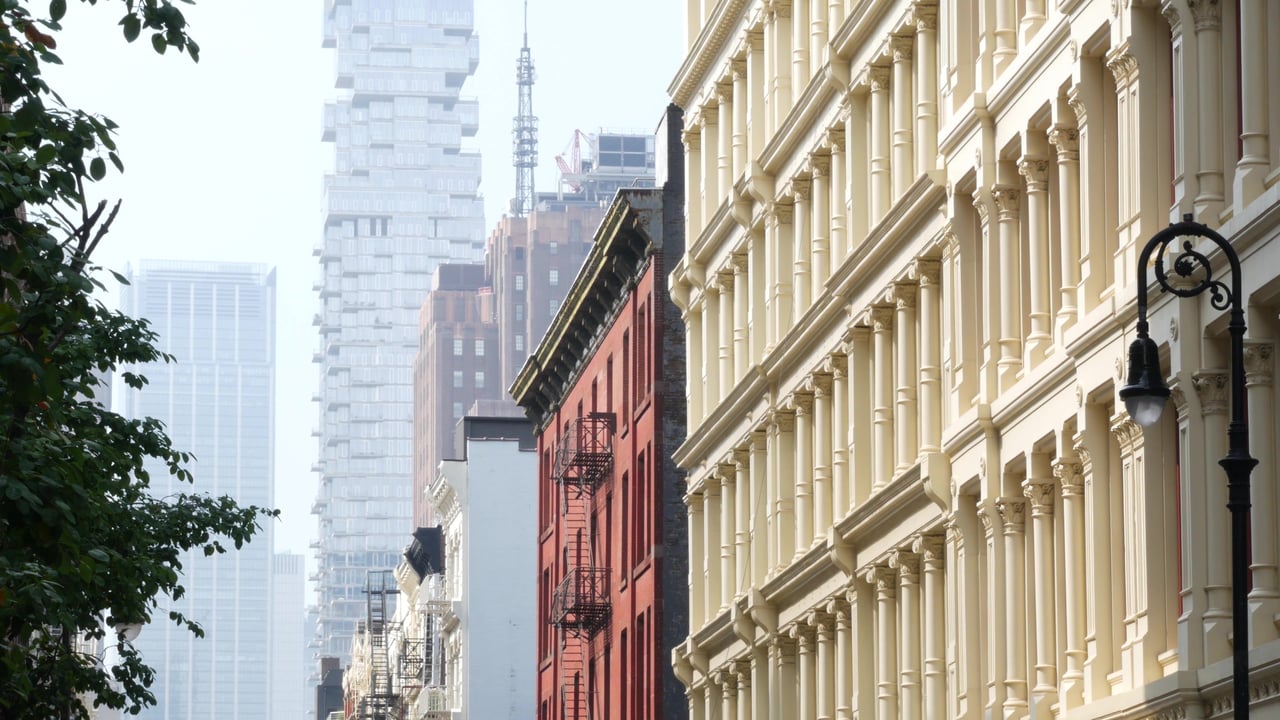
Tribeca has long been associated with cast-iron lofts, cobblestone streets, and high-end real estate. It is also widely recognized as one of Manhattan’s most expensive neighborhoods, which means buyers at this level tend to arrive informed, selective, and ready to compare your property against strong competition.
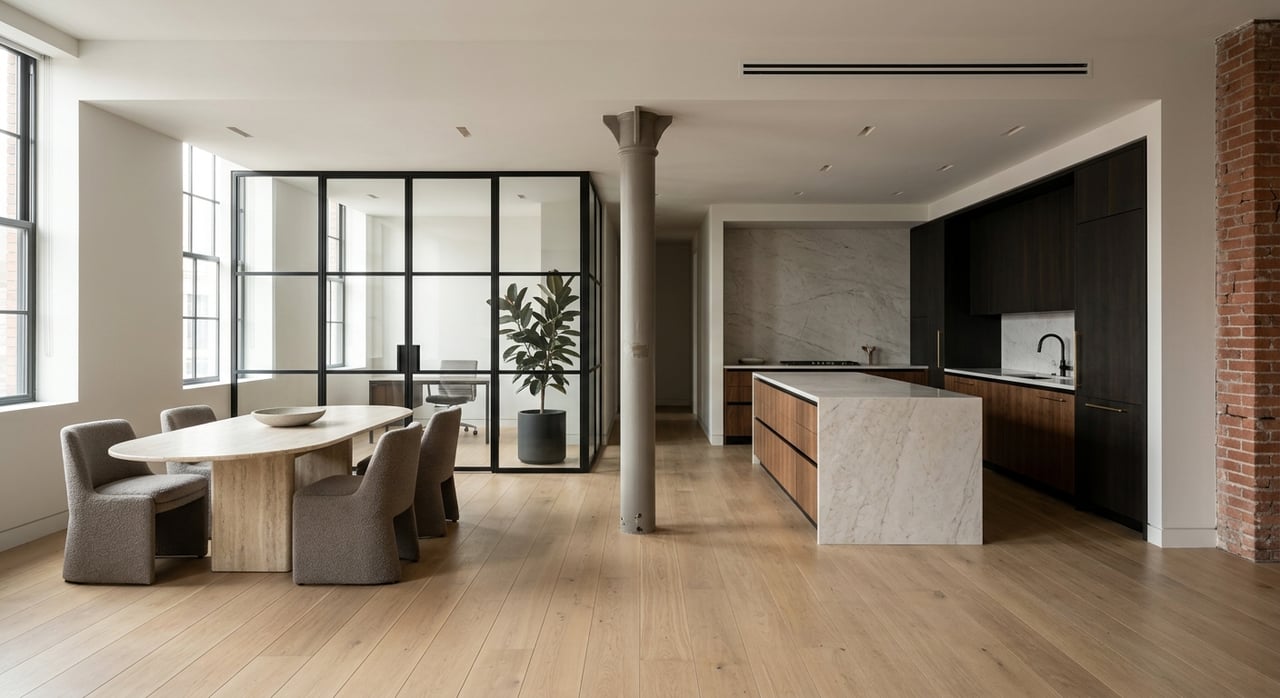
Many loft buyers in Tribeca are not simply shopping for square footage. They are looking for a specific combination of scale, light, structure, and architectural character. In this setting, details like ceiling height, oversized windows, original materials, and a strong floor plan often shape the emotional response that drives a serious offer.
Much of Tribeca also sits within a preservation context, including Tribeca East, North, South, South Extension, and West historic districts. That context helps reinforce the neighborhood’s architectural pedigree and can influence how buyers perceive value, authenticity, and future stewardship.
Lead with the loft’s core strengths
Highlight volume and light
Warehouse and factory buildings were designed with large windows for light and ventilation, along with open and flexible floor plates. That history matters because it explains why so many Tribeca buyers respond first to volume, natural light, and spatial flow.
When you prepare your loft for sale, focus on what makes the space feel expansive and calm. Clear sightlines, edited furniture layouts, and window treatments that maximize daylight can help buyers experience the architecture more clearly.
Protect original details
If your loft still has masonry, cast iron, beams, columns, or old-growth wood, those elements should be treated as part of the asset, not background texture. In Tribeca, authentic industrial details often support the property’s identity and can strengthen its position in the market.
That does not mean every loft must feel raw or untouched. It means the presentation should respect the building’s original character and avoid obscuring the features that make the home feel specific to Tribeca.
Show flexibility without clutter
Store-and-loft buildings historically supported storage, light manufacturing, showrooms, and offices. Today, that legacy often shows up in flexible layouts that can accommodate multiple uses within residential living.
Your marketing should help buyers understand that flexibility. A strong floor plan, well-defined zones, and photography that shows how the space lives can be more persuasive than overfurnishing or overly styled rooms.
Price for a selective market
Tribeca remains a high-price market, but it is not always a fast-moving one. Recent snapshots place the neighborhood in the high $3 million range, with typical values and median sale prices generally clustering between about $3.5 million and $3.9 million depending on source and time frame.
Time on market also points to a measured pace rather than instant turnover. Recent reporting showed roughly 58 median days on market on StreetEasy, 69 days to pending on Zillow, and 90 average days on market on Redfin, all pointing to the same broader conclusion: buyers are active, but they are careful.
At the Manhattan level, Q1 2026 closings rose 1% year over year to 2,757, sales volume rose 4% to $6.2 billion, active inventory slipped 2% to just over 6,000 units, days on market fell to 110, and median price rose 9%. In May 2026, the average discount from last asking price was 2.3%, while contracts above $5 million were down 5% year over year but still above the ten-year May average.
The takeaway for you is simple: pricing accuracy matters. In this environment, overpricing is more likely to lengthen your time on market than produce a better outcome.
Build a stronger provenance story
Document the property’s history
A Tribeca loft often sells best when the listing tells a coherent architectural story. Buyers in this segment may want to know the building’s original use, the architect if known, the conversion history, major renovations, and whether the property sits within a historic district or designated building context.
This kind of documentation can add substance to your marketing and help buyers understand why the loft is meaningful beyond finishes alone. In Tribeca, provenance is not an extra. It is often part of the value conversation.
Use history to support confidence
The Landmarks Preservation Commission describes designation reports and designation photos as baseline references for future work. For sellers, that means these materials can also help shape a clear and factual narrative around a building’s significance and evolution.
When buyers see that the history has been thoughtfully assembled, the property can feel more legible and better cared for. That sense of confidence matters with discerning purchasers who are weighing both emotional fit and long-term value.
Tailor the marketing to Tribeca
Use narrative-led visuals
In Tribeca, the neighborhood itself is part of the story. Marketing materials should generally lead with spacious photography, natural light, ceiling height, material closeups, and floor plans, supported by a concise provenance summary.
This approach tends to resonate more than generic lifestyle language. Buyers shopping in this part of Manhattan often respond to visual evidence and architectural clarity more than broad luxury claims.
Match exposure to the price point
A loft in this market needs more than visibility. It needs the right visibility. That means a launch strategy that reflects the pricing band, the property’s architectural strengths, and the expectations of a buyer pool that may value discretion as much as reach.
For a boutique team with institutional backing, this is where curated positioning matters. The goal is not noise. The goal is to place a compelling story in front of qualified buyers who understand what they are seeing.
Understand historic-district considerations
If your property is in a historic district, exterior alterations or most changes affecting the designated building generally require Landmarks Preservation Commission approval before work begins. Landmark designation does not freeze a building, but it does mean regulated work follows an approval process.
For a seller, this matters in two ways. First, it can affect how you describe past work or future possibilities. Second, buyers may have questions about stewardship, permissions, and what has already been approved, so clarity helps.
Know the disclosure framework
New York’s Property Condition Disclosure Act requires most sellers of residential real property to provide a disclosure statement before a binding contract. However, the law expressly excludes condominium units and cooperative apartments.
That distinction is especially important in Tribeca, where many transactions involve condos or co-ops. The law also states that a seller is not required to investigate the property or check public records, and that the disclosure form is not a warranty and does not replace inspections.
In practice, this means the structure of your sale affects what belongs in the contract package and what does not. A thoughtful sales process should account for those differences early, so there is less friction once a serious buyer emerges.
What sellers should focus on now
If you are preparing to sell a Tribeca loft, your priorities should stay disciplined.
- Price with precision based on the current market, not peak-era assumptions.
- Present the architecture clearly with light, openness, and strong sightlines.
- Preserve authentic details that support the loft’s identity.
- Assemble provenance materials that explain the building and its history.
- Launch with a tailored narrative designed for selective Manhattan luxury buyers.
A discerning buyer pool does not mean a small opportunity. It means your loft needs the right strategy. When the pricing, presentation, and story align, a Tribeca property can stand out for exactly the reasons sophisticated buyers are looking there in the first place.
If you are considering the sale of a Tribeca loft, a private, well-executed strategy can make all the difference. For discreet guidance, tailored positioning, and white-glove coordination, connect with James Weiss NYC.
FAQs
How should you price a Tribeca loft in today’s market?
- Tribeca is a high-price but measured market, with recent neighborhood figures clustering in the high $3 million range and marketing times often stretching from roughly two to three months, so accurate pricing is usually more effective than aiming high and chasing the market down.
What features matter most to Tribeca loft buyers?
- Many Tribeca buyers focus on volume, natural light, open floor plans, large windows, ceiling height, and authentic industrial details such as cast iron, beams, masonry, columns, and old-growth wood.
Why does provenance matter when selling a Tribeca loft?
- Provenance helps buyers understand the building’s original use, architectural significance, conversion history, and renovation story, which can strengthen confidence and support value in a neighborhood known for architectural pedigree.
Do historic-district rules affect a Tribeca loft sale?
- They can, because if a property sits in a historic district, exterior alterations or other regulated work may require Landmarks Preservation Commission approval, and buyers may want clarity about what has been changed or approved.
Does New York’s Property Condition Disclosure Act apply to Tribeca condos and co-ops?
- No, the statute expressly excludes condominium units and cooperative apartments, which is an important distinction in Tribeca because many residential transactions involve one of those ownership structures.