If you own a SoHo loft, pricing it well is not about picking a flattering number and hoping the market agrees. In a small, high-value neighborhood, one or two standout sales can distort the headline data, while buyers stay highly attuned to details like floor height, light, condition, and ownership structure. The good news is that a disciplined strategy can protect your value and improve your launch. Let’s dive in.
SoHo pricing starts with context
SoHo is not a typical Manhattan market segment. StreetEasy currently shows a median sale price of $3.4 million and 55 median days on market, while PropertyShark’s March 2026 report shows a $4.5 million median sale, $2,139 per square foot, and only 12 transactions.
That spread matters. In a low-volume luxury micro-market like SoHo, neighborhood-wide medians can swing quickly when a small number of sales close. If you want a pricing strategy that reflects reality, you need to focus less on broad averages and more on direct comparables at the building and line level.
There is also a larger Manhattan backdrop to consider. Miller Samuel reported 2,635 co-op and condo sales, 6,164 listings, and 7.0 months of supply in the first quarter of 2026, with the luxury entry threshold at $4.43 million and the $3 million to $5 million segment up 76.7% year over year.
For many SoHo loft owners, that means your home is competing in Manhattan’s luxury bracket, not in a general-purpose resale pool. Your pricing should reflect that competitive set from day one.
Why two similar lofts can price very differently
Square footage is only the beginning in SoHo. Buyers are often paying for a combination of architectural character, volume, light, privacy, and presentation, and those factors can create wide pricing gaps between lofts that look similar on paper.
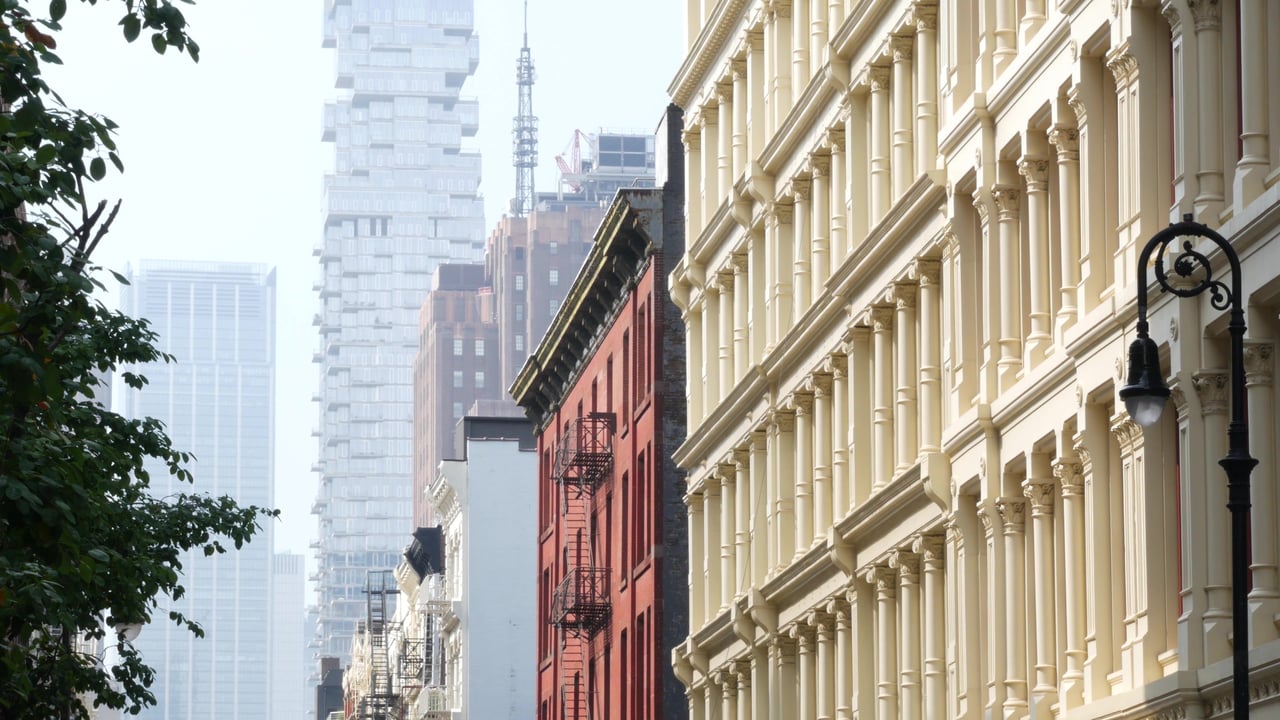
StreetEasy notes that many SoHo buildings are former textile factories, which helps explain the neighborhood’s signature open layouts and oversized windows. That history adds appeal, but it also makes each loft more distinct. Small differences in floor, exposure, and finish level can carry outsized pricing impact.
Floor height, light, and view
In Manhattan appraisal practice, floor, light, and view are separate value drivers. Miller Samuel explains that higher floors often command more value when they clear neighboring buildings because buyers respond to better light, privacy, and outlook.
That matters in SoHo, where older industrial buildings can vary sharply by elevation and exposure. A lower-floor loft with limited light may need a very different ask than a similar-size unit higher up in the same building. Mansion Global’s summary of Miller Samuel’s method also notes that, all else equal, floor premiums in Manhattan can run about 1% per floor.
This does not mean you can apply a simple formula and call it done. It does mean that if your loft has open sky, strong southern or western light, or a more protected view corridor, those features deserve careful pricing support.
Renovation quality and move-in readiness
Condition matters, but not always in the way sellers expect. High-end upgrades can strengthen your positioning, yet they do not automatically return dollar for dollar at resale.
Miller Samuel notes that appraisers compare homes against recent similar sales in the same building or nearby comparable buildings, while adjusting for condition and market timing. In practice, buyers may pay a premium for a loft that feels polished and move-in ready, but they still anchor to what comparable homes have actually achieved.
That is why strategic pricing works better than emotional pricing. A beautiful kitchen or custom millwork may support your value, but it should not become a blank check layered on top of an already ambitious asking price.
Condo versus co-op matters
Ownership structure is another major pricing lever in SoHo. PropertyShark’s March 2026 report shows a median condo sale price of $5.2 million versus $3.8 million for co-ops.
So if your loft is a condo, it should not be benchmarked against co-op sales just because the layouts seem comparable. The reverse is also true. The correct comp set has to match not only size and condition, but also building type and ownership structure.
Price from comps, not headlines
When sellers see a strong neighborhood headline, it can be tempting to price to the top of the range and wait for the right buyer. In SoHo, that approach can backfire because the market is selective and buyers have options across Manhattan’s luxury inventory.
The stronger method is to build your price from the same logic an appraiser and serious buyer will use. Miller Samuel’s guidance is clear: compare your home with recent similar sales in the same building, or in nearby buildings with similar financial condition and maintenance fees, then adjust for floor, light, condition, and timing.
That means your price should be built from facts such as:
- Your exact line or closest in-building equivalent
- Your floor and exposure
- The level of natural light
- Renovation quality and move-in readiness
- Condo or co-op status
- Recent market timing
This is especially important in SoHo because broad neighborhood numbers can be skewed by a small number of transactions. A seller who anchors to the wrong headline can miss the market at launch.
A changing market rewards discipline
A changing market does not mean buyers disappear. It usually means buyers become more selective, more analytical, and less forgiving of overpricing.
StreetEasy reported in March 2026 that NYC sales conditions were balanced, even as the share of homes selling above their latest asking price increased year over year. At the same time, Manhattan homes took a median of 64 days to contract.
That tells you something useful. Buyers are still active, but they are quick to move past listings that feel mispriced. In SoHo, where the buyer pool is narrower and expectations are high, first impressions carry real weight.
What pre-listing updates are worth doing
Before you list, it helps to separate value-supporting work from expensive projects that may not improve your outcome. In many cases, the goal is not to fully reinvent the loft. The goal is to make the property read clearly, honestly, and convincingly at its target price.
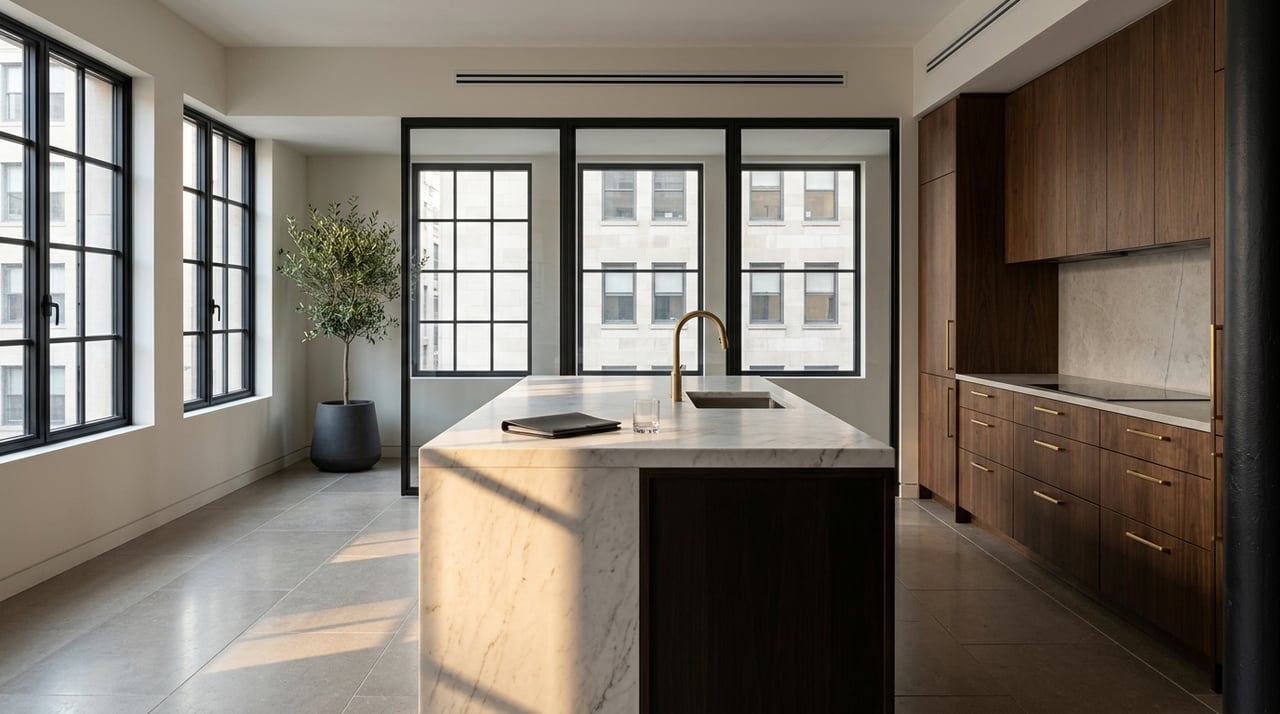
Worth considering are updates that improve how the loft shows in person and in photography. Clean finishes, functional systems, fresh paint where appropriate, and a presentation that highlights ceiling height, window scale, and natural light can all help reinforce value.
Projects that require major customization or very personal design choices may be less efficient. If the market is unlikely to give full credit for those improvements, pricing and presentation may matter more than construction.
Historic district timing can affect your plan
SoHo sits within the SoHo-Cast Iron Historic District, designated by the Landmarks Preservation Commission on August 14, 1973. That status is important if you are considering exterior work before listing.
According to the LPC, exterior restoration, alteration, reconstruction, demolition, or new construction affecting a landmark or historic-district building requires a permit. A Certificate of Appropriateness can take about three months once an application is complete.
If your pre-sale strategy involves exterior changes, window work, or any other alteration that could trigger review, timing should be scoped early. Otherwise, approval timelines can interfere with your ideal launch window.
Launch strategy matters as much as list price
In SoHo, pricing and marketing should work together, but pricing comes first. The strongest campaigns amplify a number that already fits the market instead of trying to rescue one that does not.
That is especially true for lofts, where photography and video can dramatically influence perception. Sunlight, bright interiors, and a clear visual story can make the launch feel stronger, but they are most effective when buyers already view the ask as credible.
For a boutique team with luxury reach, this is where execution matters. A measured launch, polished media, and targeted exposure can help your property compete at a high level, but only if the price is grounded in how buyers and appraisers actually think.
Use the first few weeks as a diagnostic window
The first two to four weeks are often the most important diagnostic period. If showings are light, feedback is hesitant, or comparable listings are converting while yours stalls, the market may be telling you that the launch price was too ambitious.
This is one reason overpricing can be costly even in a luxury segment. By the time a correction happens, buyers may already view the listing as stale, and older comparable logic may no longer help you.
A disciplined seller watches the early signals closely. Quick adjustments are not a sign of weakness. They are often what protects the final outcome.
Strategic pricing in SoHo comes down to precision
In a neighborhood with few transactions, distinctive buildings, and high buyer expectations, strategic pricing is really a precision exercise. You are not pricing a generic apartment. You are positioning a specific loft against a very specific set of alternatives.
That requires judgment, restraint, and a clear understanding of what buyers in SoHo actually reward. Floor, light, ownership structure, renovation level, and launch timing all matter, and they matter more than broad neighborhood headlines.
If you are preparing to sell a SoHo loft, the best starting point is a building-level, detail-driven valuation paired with a launch plan that supports the price from day one. For discreet, high-touch guidance on positioning and marketing a Manhattan luxury property, request a private consultation with James Weiss NYC.
FAQs
How should you price a SoHo loft in a changing market?
- Start with recent comparable sales in your building or nearby similar buildings, then adjust for floor, light, condition, ownership structure, and current market timing rather than relying on broad neighborhood medians.
Why do two SoHo lofts with similar square footage sell for different prices?
- In SoHo, differences in floor height, natural light, view, renovation quality, and condo versus co-op structure can create meaningful price gaps even when two lofts have similar size.
How much do floor and light affect SoHo loft pricing?
- They can affect value significantly because Manhattan appraisal practice treats floor, light, and view as separate drivers, and higher floors with better light and outlook often command stronger pricing.
Which pre-listing renovations add value for a SoHo loft sale?
- Updates that improve presentation, function, and move-in readiness are often the most useful, while highly customized or expensive work may not receive full resale credit.
How does historic district status affect pre-sale work in SoHo?
- Because SoHo is within a designated historic district, many exterior changes require Landmarks Preservation Commission review, and a Certificate of Appropriateness can take about three months once the application is complete.
How long should you wait before adjusting the price of a SoHo loft listing?
- The first two to four weeks are often the key test window, and if showings or buyer response are soft compared with nearby comps, it may be time to reassess the asking price.