Choosing between Tribeca and SoHo for a loft can feel like a study in contrasts. Both deliver soaring ceilings, dramatic windows, and downtown energy, yet the experience in each neighborhood is distinct. You want clarity on space, services, legal status, and long‑term value before you commit. This guide compares the core differences and gives you a practical checklist to buy with confidence. Let’s dive in.
Tribeca vs SoHo overview
Tribeca grew from a landscape of warehouses and market buildings that were later converted into residences. Today it blends authentic loft conversions with a steady pipeline of high‑end condos. The result is a wide choice of large, often full‑floor residences alongside modern, amenity‑rich buildings.
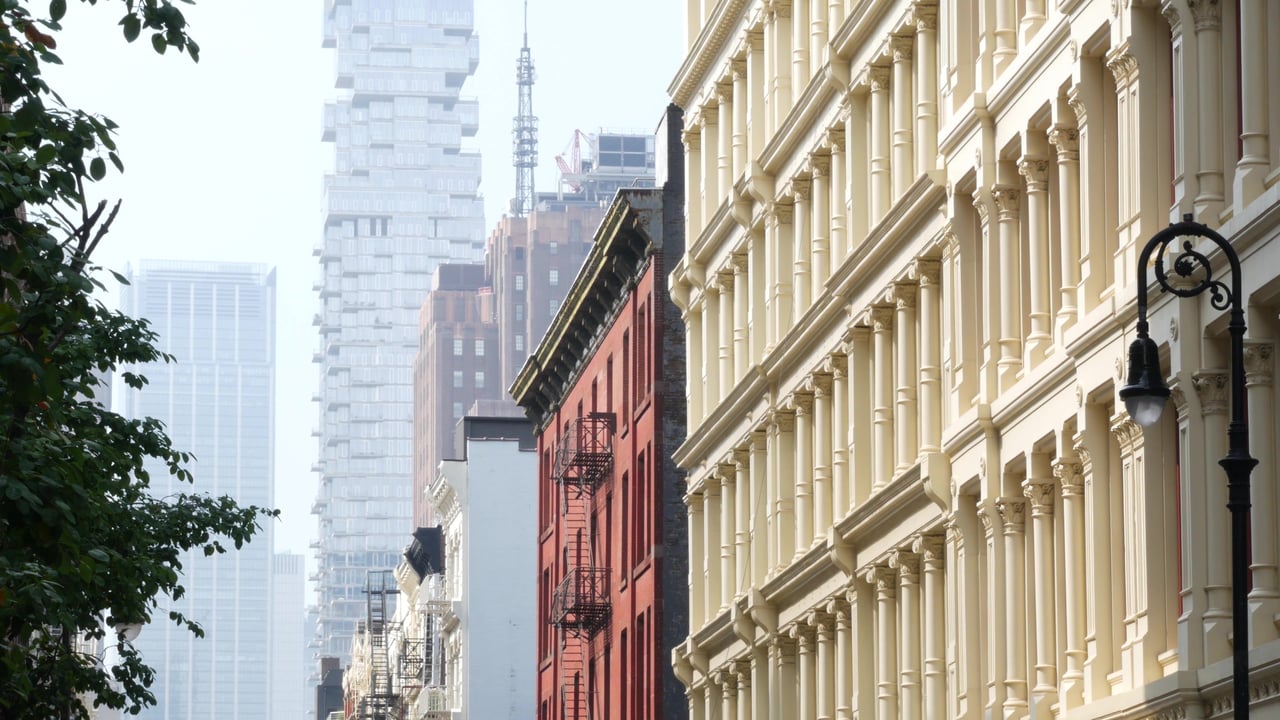
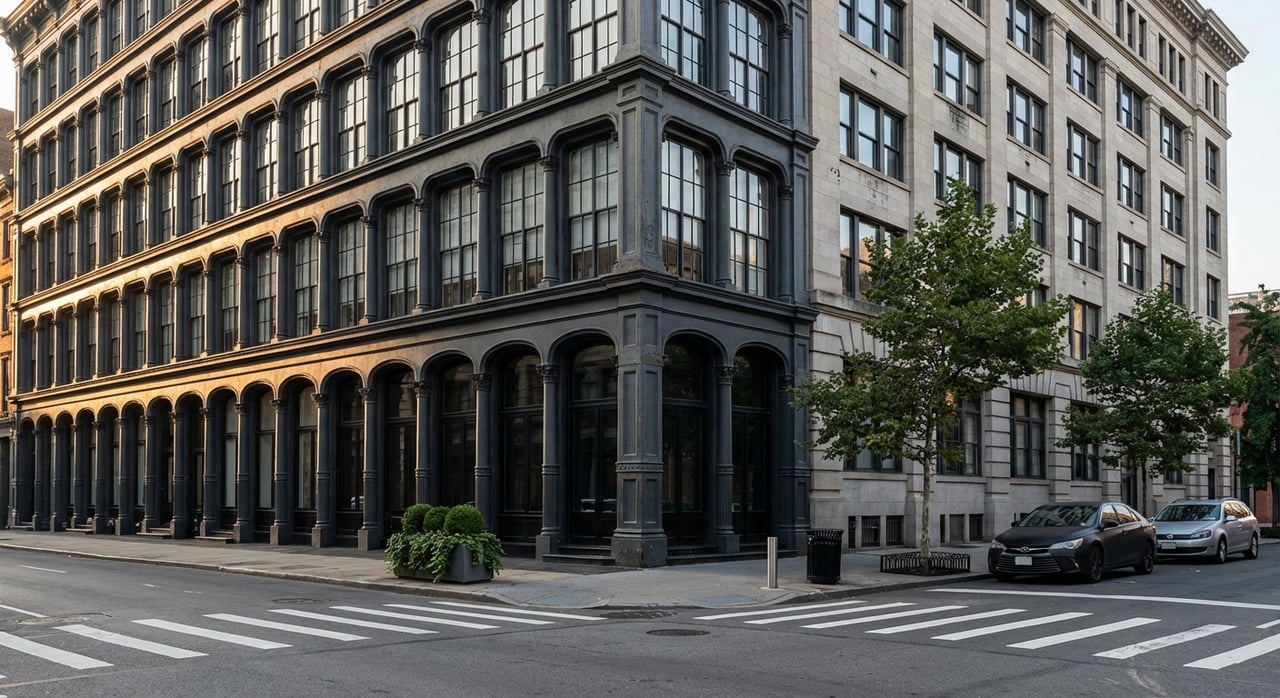
SoHo sits within the SoHo‑Cast Iron Historic District, known for 19th‑century cast‑iron facades, tall arched windows, and narrow, walkable blocks. Landmark protections strongly shape what can be altered on exteriors, preserving a distinctive streetscape and many authentic loft interiors. You will see more boutique buildings and fewer large new towers than in Tribeca. For preservation context, the SoHo‑Cast Iron Historic District overview is a good primer.
Loft bones: floorplates and ceiling height
SoHo spatial character
Classic SoHo lofts often deliver single‑level volumes with dramatic window bays, cast‑iron columns, and exposed brick or beams. Ceiling heights commonly fall in the 11 to 15 foot range in true lofts, with many units exceeding 12 feet. Unit footprints vary widely, but 1,500 to 3,000 plus square feet is common in authentic cast‑iron buildings. Provenance and intact details tend to command a premium. For a deeper look at how historic fabric influences value, see this perspective on pricing authentic SoHo lofts.
Tribeca spatial character
Tribeca conversions frequently yield very large floorplates, including full‑floor residences. Select projects marketed average apartment sizes near roughly 3,900 to 4,000 square feet, which gives you more options if you want expansive single‑level layouts. See coverage of large‑format Tribeca conversions in this neighborhood development overview. Ceiling heights in Tribeca warehouse lofts commonly range from about 10 to 15 feet, depending on building and floor. Design sources note 12 to 15 feet as a familiar benchmark for classic conversions. For context on Tribeca loft expectations, review this architectural advisory on loft conversions.
Legal checks that change your plan
Loft Law and IMD status
Many downtown loft buildings were once commercial and fall under New York’s Loft Law. The NYC Loft Board oversees interim multiple dwellings, legalization, and disputes. If a building or unit still has Loft Board or IMD status, it affects your ability to renovate, your obligations as an owner, and the timeline to a final Certificate of Occupancy. Always verify a final CO or Loft Board filings. Start with the NYC Loft Board overview.
SoHo’s JLWQA history and conversion path
SoHo historically used Joint Living‑Work Quarters for Artists (JLWQA). While rules evolved in 2021 through the SoHo/NoHo plan, some units still require a specific process to convert to standard residential use. That can include administrative approvals and a one‑time contribution to the Arts Fund. Confirm whether your target unit needs conversion and what that entails. The City’s guide to converting from JLWQA outlines steps and documentation.
Amenities, services, and parking
Tribeca has a higher concentration of modern or re‑imagined buildings with full‑service packages: 24‑hour staffing, wellness suites, lap pools, large gyms, storage, and sometimes on‑site parking. Representative examples include high‑amenity limestone and landmark conversions that helped set the benchmark for services downtown. For a snapshot of these building profiles, see this roundup of notable amenity‑rich projects. Specific properties like 443 Greenwich emphasize private drive‑in access and extensive resident facilities.
SoHo’s cast‑iron stock usually offers fewer communal amenities. Elevators can be older, and fitness or pool facilities are uncommon. You often trade on‑site amenities for architectural pedigree, location, and singular full‑floor volumes. When you do find SoHo concierge or doorman buildings, they tend to be boutique in scale.
Ownership and resale considerations
SoHo has a greater share of co‑ops and small landmarked conversions, and co‑op boards may set restrictive policies on financing, subletting, or timing. That can affect your leverage, carrying costs, and exit options. Tribeca includes co‑ops and classic conversions, but also a larger pipeline of condominiums with more flexible ownership and services. Always confirm building type and rules early in your search.
Price signals and what drives value
Neighborhood medians are useful for direction, not precision. In 2024, AM New York reported median sale prices near about 3.295 million in Tribeca and 3.1 million in SoHo. Use these as ballpark figures only. See the 2024 compilation in AM New York.
More important is the mix effect. Downtown medians swing quarter to quarter when a few large, full‑floor closings hit or when smaller co‑op trades dominate a period. Analysts frequently highlight this dynamic, which means you should analyze building‑level comps rather than rely on a single neighborhood number. For a clear explanation, review this market commentary on the mix effect.
Finally, value often turns on provenance versus services. Authentic SoHo cast‑iron lofts with intact historic fabric and exceptional light can command higher price per square foot. Amenity‑rich Tribeca condos may achieve higher absolute prices even when $/sf is similar, because you are paying for services, newer systems, and parking. The SoHo loft pricing analysis outlines how historic elements shape premiums.
Which neighborhood fits your brief?
Scenario 1: Turnkey, amenities, and parking
If you want big loft volume plus doorman, wellness facilities, and potential on‑site parking, Tribeca often aligns with that brief. Large conversion projects and newer condos deliver hotel‑grade services, modern mechanicals, and full‑floor layouts. For a sense of the amenity tier that drives demand here, see this amenity overview of notable buildings.
Scenario 2: Architectural provenance and gallery life
If you prize cast‑iron columns, oversized arched windows, and the historic streetscape, SoHo is compelling. Expect fewer shared amenities and a premium for authenticity and centrality. Landmark protections preserve the neighborhood’s identity, which many buyers value. For preservation background, start with the SoHo historic district history.
Scenario 3: Investor lens and operating costs
If you focus on $/sf and a 3 to 7 year hold, model operating costs by building and understand legal variables. In SoHo, confirm whether a JLWQA unit needs conversion and any one‑time Arts Fund payment. In both neighborhoods, older conversions can carry higher capital project risk. In Tribeca, amenity scarcity and newer systems can support resale to buyers prioritizing services. Review the City’s steps for JLWQA conversion before underwriting an offer.
Quick due diligence checklist
- Legal and title
- Request evidence of a final Certificate of Occupancy or Loft Board registration. Confirm any IMD status and legalization obligations. Start with the Loft Board guidance.
- Building and mechanicals
- Verify elevator condition, boiler and roof age, facade work, and any pending assessments. Ask for documentation on required compliance if the building is or was under Loft Law jurisdiction.
- Unit verification
- Confirm recorded square footage, ceiling heights, exposures, plumbing stack locations, and permits for prior work. Documentation helps you plan kitchens, baths, or mezzanines with fewer surprises.
- Ownership rules and costs
- If co‑op, review the offering plan, proprietary lease, house rules, financials, and recent board minutes. If condo, review HOA budgets, reserves, and assessment history.
- Renovation and zoning constraints
- If you plan to add a mezzanine, reconfigure rooms, or alter windows, confirm whether the building is landmarked and whether Department of Buildings or Loft Board approvals are required. SoHo’s historic protections can trigger Landmarks review.
How we help
You deserve a clear, calm advisory process that respects your time. Our team represents buyers and sellers across Manhattan’s luxury segment, with particular depth in downtown lofts, co‑ops, and design‑forward condos. We coordinate the full purchase arc, from property search to negotiation, co‑op board package preparation, and closing. If you want a thoughtful comparison of specific Tribeca and SoHo buildings, we will map your wish list against legal status, floorplates, mechanicals, and resale comps so you can move decisively.
Ready to compare buildings or line up a private tour? Request a private consultation with James Weiss NYC.
FAQs
What is the biggest difference between Tribeca and SoHo lofts?
- Tribeca offers more large, full‑floor residences and amenity‑rich condos, while SoHo emphasizes cast‑iron architecture, boutique buildings, and authentic historic details.
Are SoHo lofts legal for non‑artists today?
- Many are, but some units with JLWQA history require a defined City conversion process and a one‑time Arts Fund payment. Always verify the specific unit’s status and approvals.
Do Tribeca lofts have higher ceilings than SoHo?
- Ceiling heights vary by building and floor in both neighborhoods. Expect roughly 10 to 15 feet in Tribeca warehouses and 11 to 15 feet in many SoHo cast‑iron lofts. Check the actual unit.
Why do median prices swing so much downtown?
- A few large trophy closings or a cluster of smaller co‑op trades can shift a neighborhood median in a given quarter. Analyze building‑level comps and current mix before pricing.
What due diligence should I complete before making an offer?
- Confirm legal occupancy or Loft Board filings, review building systems and assessments, verify unit details and prior permits, and study ownership rules and renovation constraints.