If you are weighing Manhattan neighborhoods with a young family in mind, the Upper East Side keeps coming up for a reason. It offers a practical mix of school options, parks, transit, and housing variety, all within a dense urban setting where everyday logistics matter. Whether you are relocating or moving within the city, understanding how daily life really works here can help you make a more confident decision. Let’s dive in.
Why the Upper East Side Works
For many families, the Upper East Side stands out because it supports daily routines, not just weekend plans. Manhattan Community District 8 generally covers the area from the north side of East 59th Street to the south side of East 96th Street, between Fifth Avenue and the East River, and the neighborhood sits within Manhattan District 2 for public schools, which is a major factor for many buyers and renters (CB8 community needs statement).
That district connection shapes a lot of family decision-making. In practical terms, many households focus first on how close they are to schools, parks, and transit, then narrow down building type and budget from there.
Everyday Life Changes by Avenue
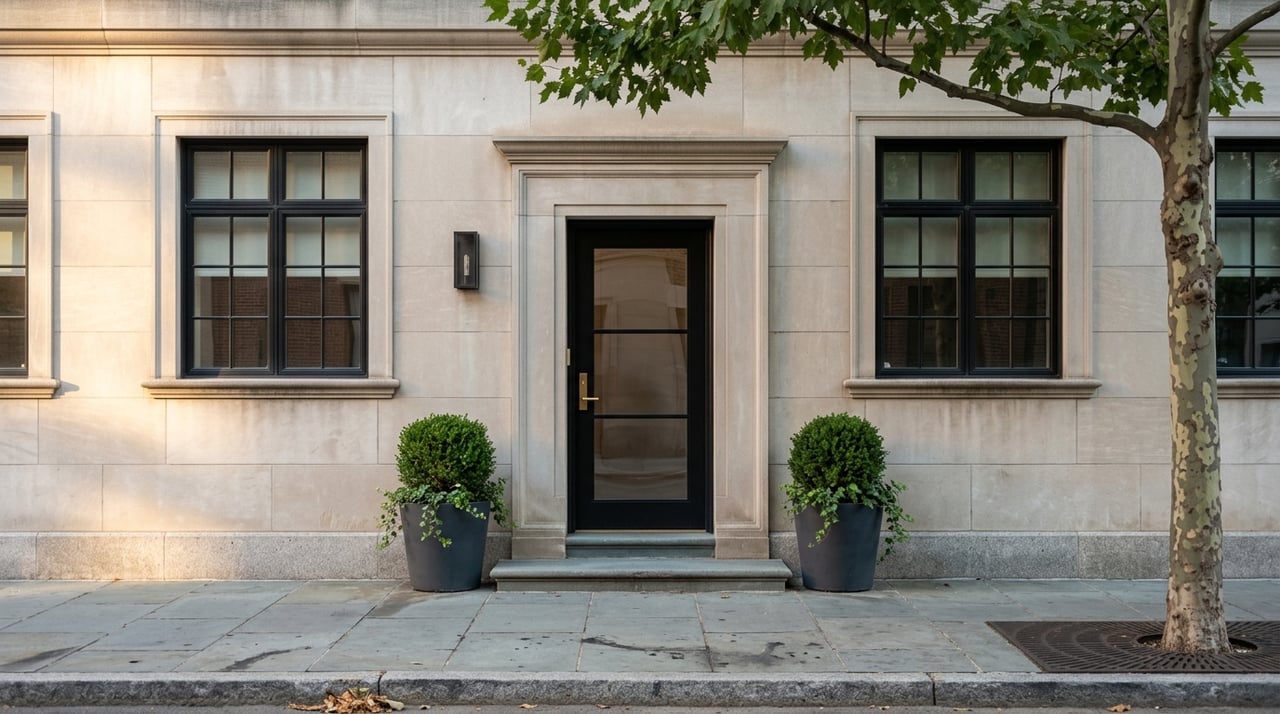
One of the most important things to know is that the Upper East Side does not feel the same on every block. According to NYC planning documents, areas closer to Central Park and the historic midblocks tend to have a more constrained, landmarked built form, while farther east in Yorkville you are more likely to find larger buildings and busier avenues (NYC Planning report).
For you, that often means a tradeoff between charm, scale, and amenities. A home near the park may offer classic prewar appeal and a quieter streetscape, while an apartment farther east may offer more space, elevator access, and newer building features.
Schools Are a Major Draw
For families with children, school access is often the first filter. The neighborhood includes public school options across different parts of the Upper East Side, including P.S. 006 Lillie D. Blake, P.S. 183 Robert L. Stevenson, P.S. 267 East Side Elementary School, Yorkville Community School, and East Side Middle School. That spread matters because school infrastructure is not limited to one small pocket of the neighborhood.
Just as important, school fit is highly specific to your address and the programs you are considering. The city’s school pages direct families to MySchools for admissions details, so it is smart to verify zoning, admissions pathways, and current options early in your search rather than assuming the same experience across the entire neighborhood.
Early Childhood Options Are Expanding
If you have a toddler or preschool-age child, the Upper East Side is still very much an active market for young families. In February 2026, the city announced that a new District 2 Pre-K and 3-K center at 403 E. 65th St. will open in fall 2026 with more than 130 seats, doubling Pre-K capacity and quadrupling 3-K capacity in the 10065 ZIP code (city announcement).
That is a meaningful signal for relocators. It shows continued demand for early-childhood options and ongoing city investment in family infrastructure in this part of Manhattan.
Parks Support Daily Routines
The Upper East Side’s family appeal is not tied to just one green space. Instead, it benefits from a network of outdoor options that can fit different ages, schedules, and seasons.
Central Park is the most obvious anchor. The East 72nd Street Playground is described by the Central Park Conservancy as a school-age adventure-style playground, and the Conservancy notes that Central Park includes 21 playgrounds that attract more than three million child visits each year. For many families, that makes the park part of normal weekday life, not just a special outing.
Farther east, Carl Schurz Park offers a waterfront promenade, playground, dog runs, spray showers, and restrooms. John Jay Park adds outdoor pools, playgrounds, spray showers, and restrooms, which can be especially useful in warmer months. St. Catherine’s Park is smaller, but NYC Parks notes that it has long served the Upper East Side as a recreation hot spot.
Indoor Options Matter Too
Family-friendly neighborhoods are tested on rainy days, school breaks, and winter weekends. The Upper East Side has several indoor resources that help make daily life easier.
Asphalt Green is one of the neighborhood’s strongest structured activity options. Its Upper East Side campus includes an Olympic pool, a teaching and exercise pool, a soccer field, a basketball court, and youth programming, along with Play Days during school breaks and holidays.
Libraries also play a practical role in neighborhood life. The 67th Street Library offers a children’s collection and space for programs like baby storytime, while the Webster Library on York Avenue serves readers of different ages. In a dense neighborhood where open space is limited relative to population, those kinds of indoor public resources can become part of your weekly rhythm.
Transit Makes Family Logistics Easier
One reason the Upper East Side remains so functional for families is that it has multiple transit layers. According to the MTA subway line maps, the neighborhood is served by the 4, 5, and 6 on Lexington Avenue and the Q on Second Avenue, with the Q extension to 96th Street adding stations at 72nd, 86th, and 96th Streets.
That setup gives you more than one north-south subway corridor, which can make a real difference when you are managing school drop-offs, work commutes, medical appointments, and after-school activities. It also helps explain why different parts of the neighborhood continue to appeal to different kinds of households.
Buses Fill the Gaps
Subways matter, but Upper East Side living also depends on buses. The MTA Manhattan bus schedules list routes including the M15, M15-SBS, M66, M79-SBS, M86-SBS, M96, M98, M101, M102, and M103, and the M66 provides a useful crosstown connection on East 67th and 68th Streets.
For everyday family life, that bus network is more important than many newcomers expect. It can simplify short trips, support crosstown errands, and give you more options when weather or timing makes the subway less convenient.
Housing Looks Different Across the Neighborhood
The Upper East Side is not one single housing market. It is a collection of micro-areas with different building types, streetscapes, and price points.
NYC planning documents describe the historic district as a mix of mansions, town houses, apartment houses, carriage houses, and garages, while separate planning materials on East 94th Street and Yorkville reference high-rise residential and mixed-use towers such as Normandie Court, The Kent, Astor Terrace, Carnegie Park, Yorkville Towers, Ruppert Towers, and The Easton (planning overview; East 94th Street report).
That helps explain why two homes just a few avenues apart can offer very different living experiences. One may emphasize prewar detail and a smaller-scale building environment, while another may prioritize newer construction, larger layouts, and amenity packages.
Why Inventory Can Feel Tight
Housing pressure is part of the Upper East Side story. The East 94th Street planning report notes that housing units increased by less than 1% from 2010 to 2020 while population grew by 6%, and CB8’s FY2018 statement reported a 2.8% rental vacancy rate and noted that more than 98% of owner households lived in cooperatives or condominiums (East 94th Street report; CB8 statement).
For you, that often means choices are shaped less by broad inventory abundance and more by tradeoffs. You may be comparing prewar character against newer amenities, or evaluating whether a larger apartment farther east better supports your routine than a more classic address closer to the park.
What Young Families Should Verify First
If you are seriously considering the Upper East Side, a few early checks can save time:
- Confirm school zoning or admissions options for any address you are considering
- Compare building type, layout, and amenities by micro-location
- Test the walk to parks, transit, and daily errands
- Look at how your weekday routine would work in that exact location
- Consider whether you want prewar character, newer construction, or a hybrid of both
In a neighborhood this block-sensitive, the right fit usually comes from matching your family’s routine to a very specific part of the Upper East Side.
If you are exploring the Upper East Side with a move in mind, thoughtful guidance can make the process far more efficient. James Weiss NYC offers discreet, high-touch support for buyers, sellers, and renters navigating Manhattan with care and precision.
FAQs
Is the Upper East Side good for young families in Manhattan?
- Yes. The neighborhood is often favored for its combination of school options, park access, and strong transit connections in a dense Manhattan setting.
What parks do young families use on the Upper East Side?
- Common choices include Central Park, Carl Schurz Park, John Jay Park, and St. Catherine’s Park, along with indoor programming at Asphalt Green.
What should families verify about Upper East Side schools?
- You should verify zoning, admissions details, and program fit for your specific address, since school access in District 2 can be highly location-specific.
How does housing vary across the Upper East Side for families?
- In general, areas closer to Central Park and landmarked midblocks tend to have more classic prewar and lower-rise character, while farther east you often find larger elevator buildings and newer towers.
What makes Upper East Side commuting easier for families?
- The neighborhood benefits from both the Lexington Avenue lines and the Second Avenue Q line, plus a broad bus network that helps with crosstown trips and short daily errands.