Picture a New York neighborhood where tree-lined blocks bend at gentle angles, cafés spill onto the sidewalk, and a central park hums with music and conversation. If that sounds like your pace, you are already picturing Greenwich Village. You want character, convenience, and a clear sense of what daily life feels like on each block. This guide walks you through the streetscape, housing types, lifestyle rhythms, and the practical details that matter when you decide to buy or rent here. Let’s dive in.
Where the Village begins and ends
Greenwich Village sits south of 14th Street, between the Hudson River and roughly the Broadway and Fifth Avenue corridor. In everyday use, people often refer to the West Village for the blocks west of Sixth or Seventh Avenue. Washington Square Park anchors the neighborhood’s identity, along with Christopher Street, Bleecker Street, and Sheridan Square. Portions of the area fall within Manhattan Community District 2 and include several historic districts.
Historic fabric and human-scale streets
The Village is known for an irregular street grid with short blocks and intimate lanes. You feel it as you walk: buildings are closer, corners are slower, and storefronts are varied. Much of the neighborhood is protected by New York City Landmarks Preservation Commission historic district designations, which preserve the streetscape and limit exterior changes. Interiors often evolve, but façades, stoops, and cornices tend to remain part of the picture.
Architecture you see every day
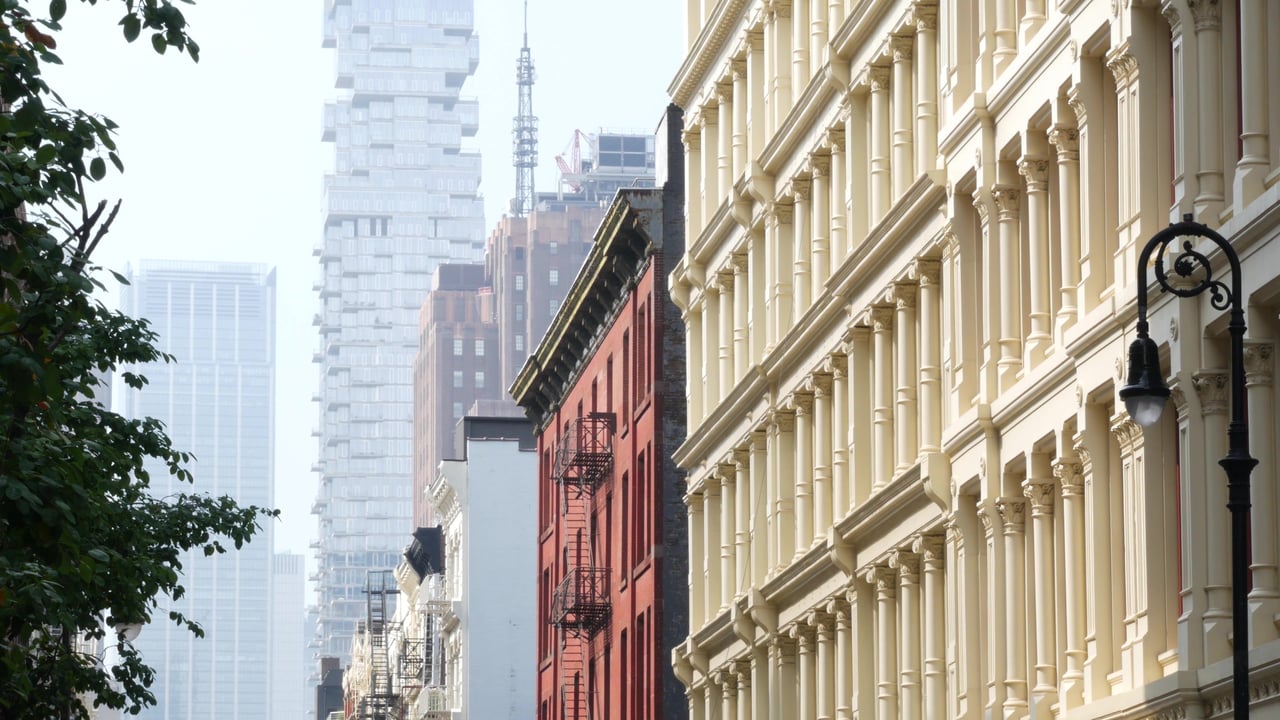
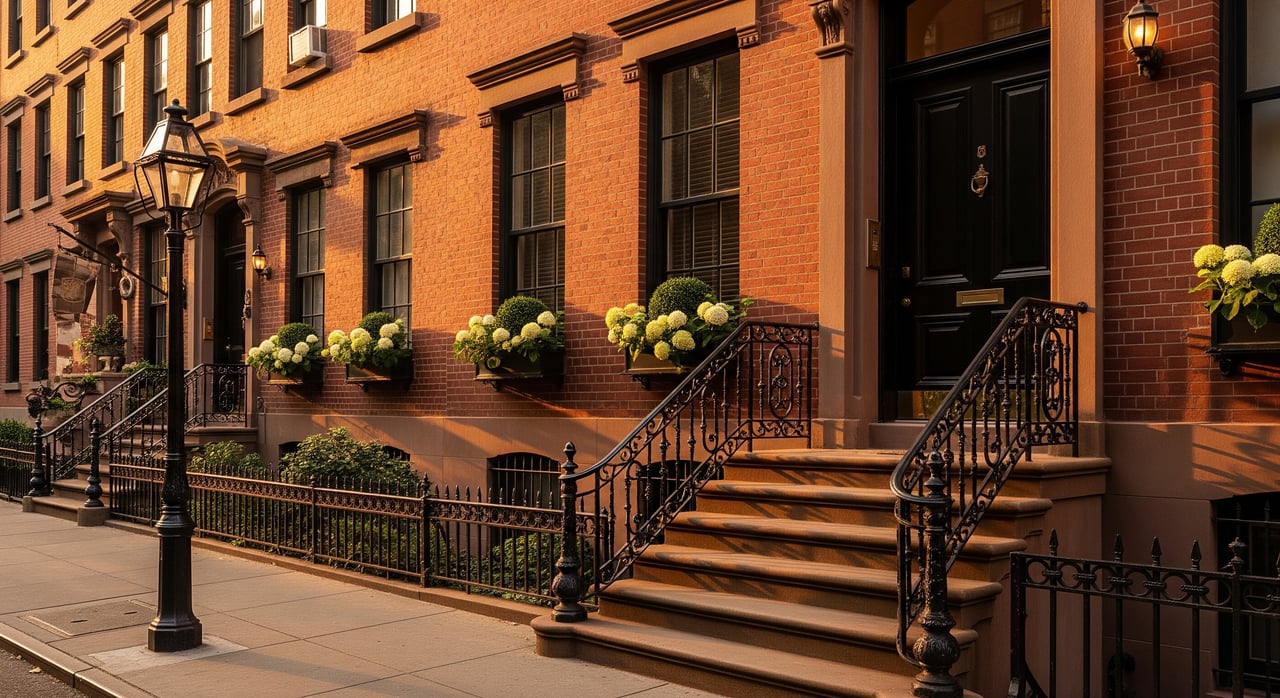
You will find 19th-century rowhouses and brownstones, prewar walk-ups, and classic townhouses, many with brick or brownstone fronts. Prewar co-ops and boutique mid-century buildings are common, with a smaller share of modern luxury high-rises than in many other Manhattan neighborhoods. Ground-floor retail animates key corridors like Bleecker, Christopher, and MacDougal. The result is a cohesive, low- to mid-rise feel that invites walking and lingering.
Everyday life and culture
Greenwich Village’s cultural life is woven into daily routines. Off-Broadway theaters, jazz clubs, and comedy venues sit near bookshops and cafés, and the neighborhood’s LGBTQ history is part of its identity. New York University influences the area’s rhythm, especially near Washington Square, shaping daytime foot traffic, retail demand, and the rental market. You can lean into the energy or opt for quieter side streets that feel more residential.
Dining and shopping
Expect a high density of cafés, bakeries, Italian institutions, and contemporary dining, plus specialty food shops and boutiques. Some storefronts are long-running neighborhood anchors, while others rotate as rents evolve. Bleecker, Christopher, and MacDougal streets form lively spines with constant options. If you enjoy variety within a few blocks of home, the Village makes that easy.
Parks and quiet corners
Washington Square Park is the neighborhood’s living room, with chess tables, dog runs, and regular performances. Smaller squares and pocket parks dot the side streets and offer calm between errands. Nightlife is active in certain parts, which can mean evening noise and late foot traffic. A few blocks away, many side streets remain peaceful and residential.
Who thrives here
Residents span students, young professionals, creative and media workers, long-time homeowners, and families who value location and walkability. Daily life is errands on foot, subway hops to Midtown or Downtown, and spur-of-the-moment dinners close to home. The Village suits you if you prioritize culture, short commutes, and historic character. It may be less ideal if you need large private outdoor space, abundant square footage at a lower price, or routine car-dependent living.
Transit and getting around
Multiple subway lines serve the Village, with quick connections north and south. Buses, Citi Bike, and ride-hailing round out options, so many residents skip car ownership. Commuting times to Midtown and Lower Manhattan are typically short by subway. If you do drive, expect limited street parking and higher garage costs.
Housing options and market realities
Greenwich Village offers a mix of rental apartments, co-ops, condominiums, and historic townhouses. Co-ops are common in older buildings and often come with board approvals, financial reviews, and building rules. Condos can be more flexible but are often priced accordingly. In general, the neighborhood’s desirability and limited supply keep both rents and sale prices above many Manhattan averages.
What to expect by building type
- Classic walk-ups and townhouses: character, stoops, and architectural detail; sometimes fewer modern amenities.
- Prewar co-ops: gracious layouts, solid construction, and board approvals; maintenance fees vary by building.
- Boutique condos and select newer buildings: elevators, in-unit laundry, and amenity suites are more common; inventory is limited.
Buying a co-op in the Village
Co-op purchases usually require a comprehensive board package, including financial documentation and references. A board interview may follow, and timelines can be longer than condo deals. Review sublet policies, flip taxes, and building financials early in the process. An experienced local team and real estate attorney can streamline the steps.
Renting in the Village
The rental market is competitive, especially around new academic terms. Prepare financials in advance and confirm building rules, including any pet or sublet policies. Expect variation in finishes, layouts, and amenities across older and renovated buildings. Short-term rentals are regulated and often restricted by building policies and city law.
Practicalities: schools, safety, and services
Public and private schools are in and near the neighborhood; review NYC Department of Education resources for zoning and admissions. Safety perceptions vary by block and time of day, particularly around nightlife corridors and major parks; consult NYPD resources for current data. Health care is close at hand through local clinics and Manhattan hospitals, and daily needs like grocers, pharmacies, and dry cleaners are within an easy walk. Community organizations and local boards are active and offer additional neighborhood context.
How to choose your block
- Walk potential blocks at different times, including late evening.
- Stand in front of a building and listen for street noise and delivery activity.
- Map your daily routes to transit, work, and parks.
- Ask about in-unit laundry, elevator access, storage, and bike rooms.
- For townhouses or exterior changes, confirm historic district requirements.
- For co-ops, review sublet policies, assessments, and building financials.
Work with a local advisor
A trusted local team helps you pinpoint the right block, align the building type with your goals, and navigate co-op boards or complex negotiations. The James Weiss Team combines boutique, white-glove advisory with the marketing reach of a leading brokerage, and brings deep expertise across West Village and Greenwich Village co-ops, condos, and townhouses. If you are weighing options or want to preview off-market opportunities, we can guide the process with discretion and efficiency.
Ready to explore Greenwich Village with a private, expert lens? Reach out to the team at James Weiss NYC to discuss your plans.
FAQs
Is Greenwich Village noisy at night?
- It depends on the block; entertainment corridors can be lively late, while many side streets remain quieter and more residential.
What is the housing stock like in Greenwich Village?
- You will find a mix of prewar walk-ups, co-ops, boutique condos, and historic townhouses, with fewer large high-rises than other Manhattan areas.
How is transit access in Greenwich Village?
- Multiple subway lines, buses, Citi Bike, and ride-hailing make commuting to Midtown and Downtown fast and convenient for most residents.
What should I know about co-op purchases in the Village?
- Expect a thorough board package, possible interview, and building-specific policies such as sublet rules or flip taxes that affect timelines and strategy.
Is car ownership practical in Greenwich Village?
- It is possible but costly; street parking is limited and most residents rely on transit, biking, and ride-hailing.
Are there parks and green spaces in the Village?
- Washington Square Park is the central hub, and several smaller squares and pocket parks provide additional outdoor space.
How does NYU influence living in the Village?
- NYU adds energy, foot traffic, and rental demand, especially near Washington Square; it shapes daytime rhythms and retail in nearby blocks.