If you picture SoHo loft living as an endless stream of sunlit rooms, cast-iron columns, and cinematic scale, you are not wrong. But that is only part of the story. Living in a SoHo loft also means sharing space with one of Manhattan’s busiest mixed-use neighborhoods, adapting to building-specific quirks, and understanding that character often comes with compromise. If you are wondering what loft living in SoHo really feels like day to day, this guide will help you picture it clearly. Let’s dive in.
SoHo lofts feel architectural first
What sets SoHo apart is not just price or prestige. It is the physical fabric of the neighborhood.
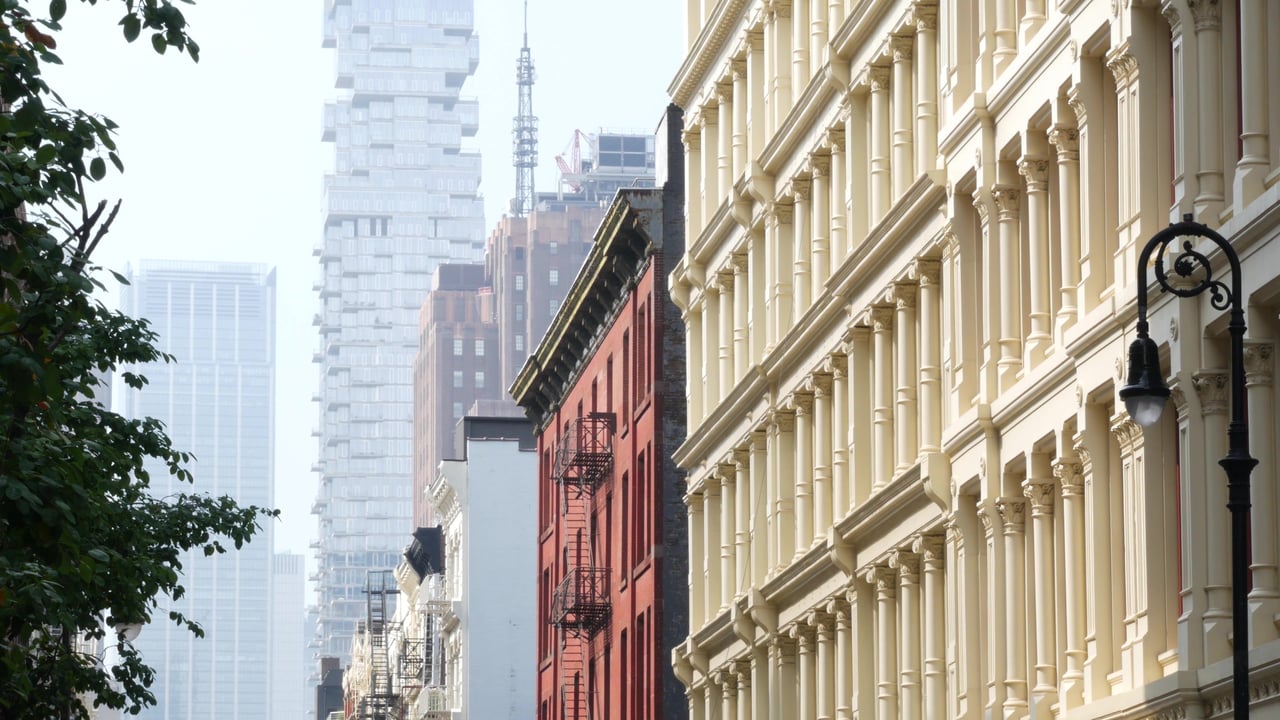
SoHo’s historic district was first designated in 1973, with an extension added in 2010 that brought about 135 more properties into the district. The area is defined by a large concentration of cast-iron and store-and-loft buildings, many of them built after the Civil War for wholesalers and manufacturers. That history still shapes how the neighborhood feels today.
Instead of reading like a typical apartment district, SoHo often feels like an industrial quarter that gradually became residential. You notice it in the facades, the scale of the windows, and the way many interiors open up across broad floor plates rather than breaking into smaller rooms.
Why the light feels different
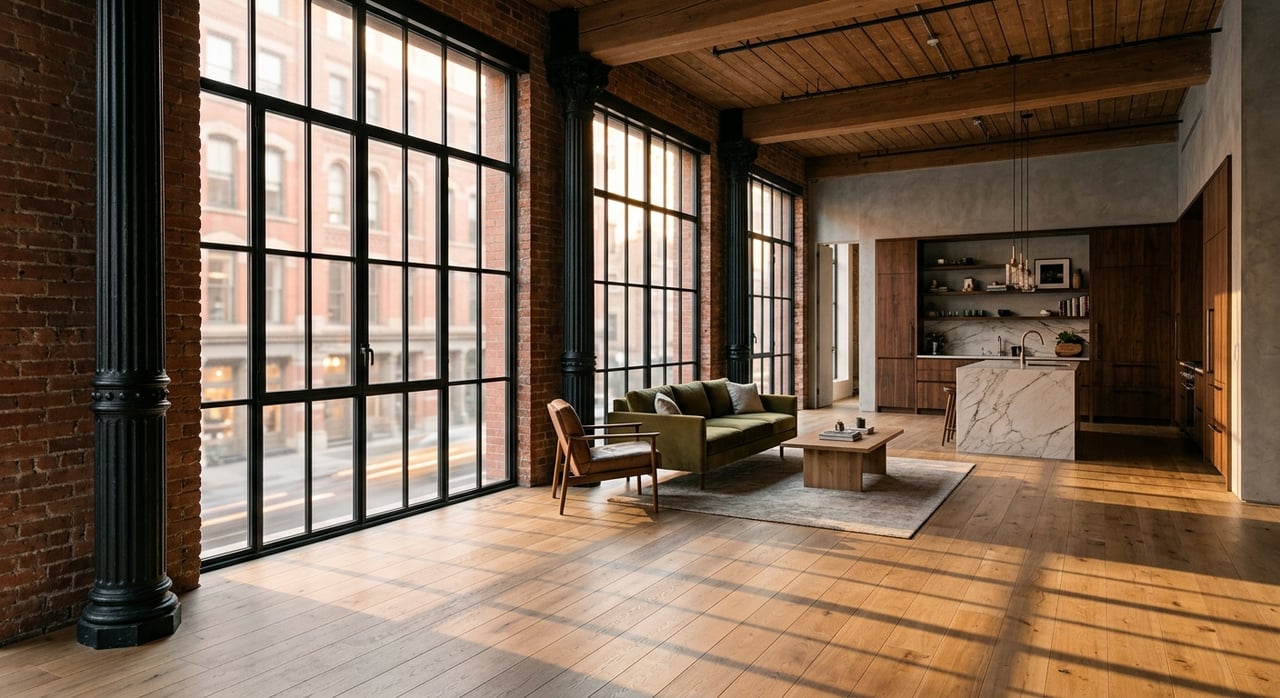
One of the most loved features of a SoHo loft is the quality of light. Cast iron allowed for larger windows and wider spans, which means many lofts have deep daylight and long sightlines.
That changes how space feels when you walk in. Rooms often read as one connected volume rather than a sequence of enclosed boxes. The effect can feel expansive, dramatic, and unusually calm, even before you furnish the space.
Why the scale feels different
High ceilings and open layouts make everyday living feel less compressed. In many lofts, your kitchen, dining area, living space, and workspace may all exist within one larger composition.
For some buyers, that is the entire appeal. A SoHo loft can feel more like a private studio, gallery, or live-work environment than a conventional Manhattan apartment.
Street life is part of the experience
A SoHo address does not stop at your front door. The street scene is part of the lifestyle.
According to the SoHo Broadway district profile, the neighborhood includes about 1.5 million square feet of retail, 3 million square feet of office space, more than 21,000 workers, and roughly 25,000 residents. The district also draws more than 111,000 subway riders into the area each day. That level of activity helps explain why SoHo feels animated almost all the time.
This is not a neighborhood that goes quiet just because the workday ends. Residents, visitors, office workers, shoppers, and diners overlap throughout the day and into the evening.
Weekends are especially busy
If you love energy, movement, and city texture, SoHo can be thrilling. Restaurants, galleries, and shops keep the neighborhood highly active, and weekends are often especially crowded.
If you want a more tucked-away, hushed residential atmosphere, that same energy may feel like friction. In SoHo, public life is part of private life more than it is in many other Manhattan neighborhoods.
The block matters more than you think
Not all SoHo loft experiences are the same. A unit on a busy retail corridor can feel very different from one on a quieter side street.
That is why loft living here is so building-specific and block-specific. Two homes with similar square footage may produce a very different daily rhythm depending on street exposure, traffic patterns, and how close they are to the neighborhood’s busiest retail paths.
Inside a SoHo loft, openness is both luxury and work
The classic SoHo loft look is easy to romanticize. Open floor plans, oversized windows, and architectural character make these homes visually memorable.
But open space asks more of you. You often need to think more carefully about furniture layout, privacy, acoustics, and storage than you would in a more conventional apartment.
Privacy can take planning
When there are fewer interior walls, space can feel generous but less defined. That can be beautiful if you want flexibility and visual openness.
It can also mean you need a thoughtful setup for sleeping areas, working from home, or hosting guests. In a loft, privacy usually comes from design decisions rather than default room separation.
Storage is rarely effortless
Many buyers fall in love with the volume of a loft, then realize later that volume is not the same thing as built-in storage. Large open rooms can still feel tight if closets, utility space, and hidden storage are limited.
That is one reason loft living often feels edited. The homes tend to work best when your layout is intentional and your storage strategy is realistic.
Sound is part of the equation
Street activity and open interiors can make acoustics a practical consideration. In a street-facing loft, neighborhood noise may be more noticeable, especially in a place known for heavy foot traffic and busy weekends.
Inside the home, fewer walls can also mean sound travels more easily from one area to another. The reward is openness and character. The tradeoff is that quiet and separation may take more effort.
Service levels vary by building
One of the biggest misconceptions about SoHo is that the neighborhood delivers a uniform housing product. It does not.
StreetEasy describes SoHo’s housing stock as mostly walk-ups in historic cast-iron buildings alongside luxurious co-ops. That matters because daily convenience can vary widely from one address to the next.
Amenities are not standardized
In one building, you may have elevator access and a more polished service experience. In another, you may be in a historic walk-up with fewer conveniences and more hands-on day-to-day logistics.
Package handling, laundry, storage, and general building services can differ significantly. When you buy in SoHo, you are not just choosing a neighborhood. You are choosing a very specific building lifestyle.
Older charm comes with specifics
Historic buildings often deliver the details people want most: texture, ceiling height, scale, and architectural authenticity. At the same time, older buildings may operate very differently from newer luxury properties.
That is why due diligence matters so much in SoHo. The beauty is often real, but so are the operational details that shape everyday comfort.
Ownership comes with rules and review
SoHo’s architectural character is protected for a reason. Buyers should understand that ownership in a landmarked district can involve extra review and limits on future changes.
The New York City Landmarks Preservation Commission says that most alterations, reconstruction, demolition, or new construction affecting designated buildings require approval in advance. When work affects protected features or does not conform to LPC rules, a Certificate of Appropriateness is required. The process can take about three months.
Renovations may take more coordination
If you plan to change windows, a facade element, a storefront condition, or rooftop features, you should expect review rather than assuming a simple approval path. Ordinary repairs such as replacing broken window glass are usually exempt, but larger visible changes are not.
For buyers, this means the charm of a landmarked loft is paired with real design constraints. In many cases, preserving the building is part of what gives the home its value and atmosphere.
Loft status should be confirmed
The NYC Loft Board explains that the Loft Law created a framework for legal conversion of former commercial and manufacturing spaces used as residences into safe, rent-stabilized units. The board still oversees legalization issues and disputes.
For a buyer, the practical takeaway is simple: confirm unit status, conversion history, and whether any building work remains unresolved. In a neighborhood shaped by historic lofts, assumptions can be expensive.
SoHo loft living is a premium choice
SoHo is one of Manhattan’s most expensive neighborhoods, and the pricing reflects more than square footage. It reflects rarity, architecture, and lifestyle.
StreetEasy currently shows a median sale price of about $3.4 million, a median base rent of about $5,995, and median days on market of 54. It also describes SoHo as a neighborhood with low vacancy and low turnover.
Who tends to love it most
SoHo loft living tends to appeal most to buyers who want architecture, walkability, and street energy in one address. If you value design, volume, and a neighborhood that feels visibly alive, SoHo can be deeply compelling.
It is often a strong fit for people who see their home as both a personal space and a lifestyle setting. The architecture is not background here. It is part of the experience.
Who may prefer something else
If your top priorities are quiet, abundant built-in storage, and a standardized full-service environment, SoHo may feel less intuitive. That does not make it less desirable. It just makes it more specific.
The right buyer usually understands that a SoHo loft is not meant to deliver generic convenience. It is meant to deliver a particular kind of Manhattan living that is hard to replicate elsewhere.
What loft living in SoHo really feels like
At its best, loft living in SoHo feels expansive, textured, and unmistakably New York. You get sunlight, scale, cast-iron architecture, and a neighborhood that stays in motion.
At the same time, you accept that the same qualities that make SoHo memorable also make it demanding. The crowds are real, the noise can be real, and the difference between one building and the next can be substantial.
That is why the best SoHo purchases are usually the most informed ones. If you understand the building, the block, the rules, and your own priorities, loft living here can feel less like a fantasy and more like a precise fit.
If you are considering a SoHo loft or preparing to sell one, James Weiss NYC offers discreet, full-service guidance shaped by Manhattan’s luxury market and the details that matter at the building level.
FAQs
What makes SoHo lofts feel different from standard apartments?
- SoHo lofts often feature large windows, high ceilings, wide floor spans, and open layouts shaped by the neighborhood’s historic cast-iron and store-and-loft buildings.
What does daily street life in SoHo feel like for residents?
- SoHo feels active and public-facing, with residents, workers, shoppers, and visitors sharing the neighborhood throughout the day, especially on busy weekends.
What are the practical challenges of living in a SoHo loft?
- Common challenges include limited built-in storage, less privacy in open layouts, more acoustic exposure, and building-specific service differences.
What should buyers know about SoHo landmark rules?
- Many visible exterior changes to landmarked buildings require advance approval from the New York City Landmarks Preservation Commission, and the review process can take time.
What should buyers verify before purchasing a SoHo loft?
- Buyers should confirm the unit’s legal status, conversion history, and whether there is any unresolved building work, especially in properties affected by loft-law considerations.
Who is SoHo loft living best suited for?
- It is usually best for buyers who value architecture, openness, walkability, and neighborhood energy more than standardized services or a quiet residential feel.