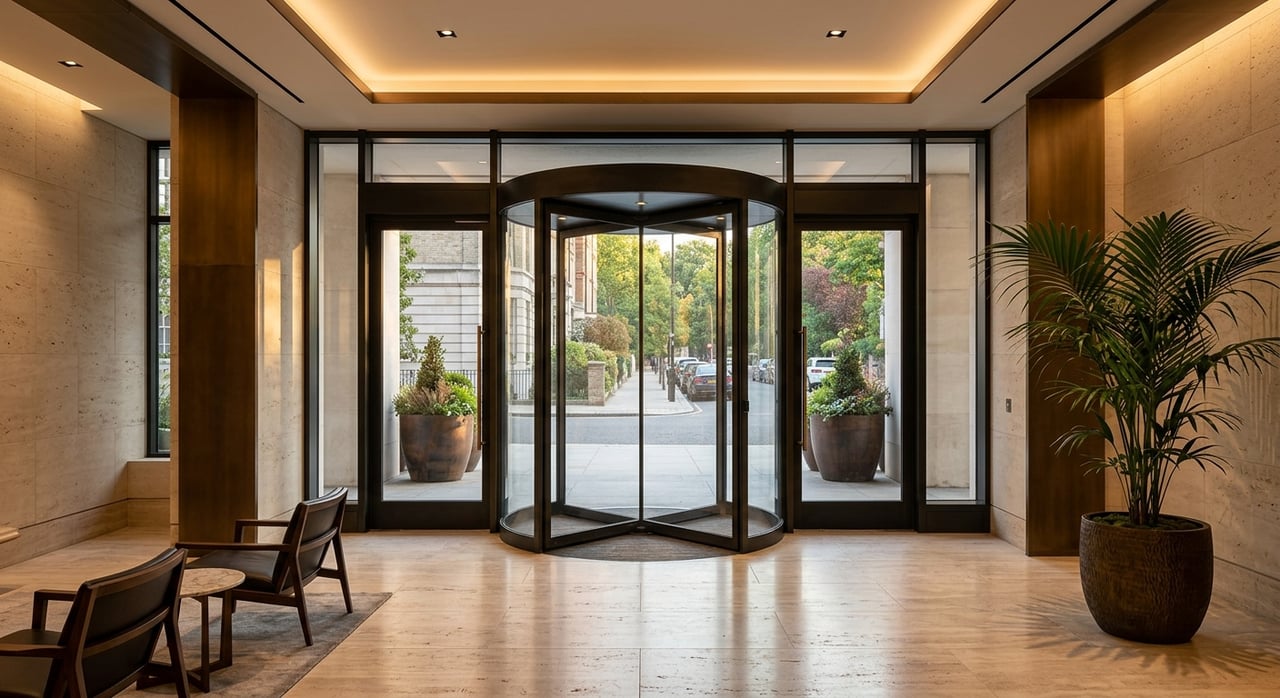
Buying in Midtown can look simple on the surface. You tour a beautiful lobby, admire the skyline, and picture your next chapter. But in Midtown Manhattan, two apartments with similar finishes can come with very different risks, costs, and ownership experiences depending on the building behind the unit. This guide will help you focus on what matters most in Midtown co-ops and condos, from building systems and budgets to sponsor obligations and public records. Let’s dive in.
Why Midtown Requires Building-Specific Review
Midtown is not one uniform housing market. Greater East Midtown includes buildings from the pre-Grand Central, Grand Central and Terminal City, and post-Grand Central eras, while Hudson Yards introduced a newer wave of transit-oriented, mixed-use development with thousands of housing units and large open-space components. That means your due diligence should match the building type, age, and operating model.
In practical terms, an older co-op in Midtown East may call for close review of core systems and board governance. A newer condo in Midtown West or Hudson Yards may require more attention on sponsor control, amenity costs, and whether projected budgets look realistic over time. Midtown rewards buyers who look beyond finishes and ask sharper building-level questions.
Start With Co-op Versus Condo Basics
The first question is not just what apartment you like. It is what ownership structure fits your goals.
In a co-op, you buy shares in a corporation and receive a proprietary lease for the apartment. Your monthly carrying cost is maintenance, which is based on the shares allocated to the unit. In a condo, you own real property and pay common charges based on the unit’s common-interest allocation.
That difference affects how you evaluate the building. In a co-op, governance, shareholder records, maintenance history, and any underlying mortgage deserve careful review. In a condo, you will want to focus on the projected budget, reserve funding, service contracts, insurance, and whether commercial space affects the building’s finances.
What To Review In Midtown Co-ops
Midtown co-ops can offer scale, character, and established operations, especially in older East Midtown buildings. They also require disciplined review because deferred capital work can become expensive.
Check Core Building Systems
In older Midtown co-ops, start with the physical systems that tend to drive future costs. Pay close attention to the façade, roof, windows, elevators, boiler, plumbing, and electrical systems.
The New York Attorney General identifies façade defects, roof and elevator repairs, plumbing upgrades, electrical upgrades, and boiler replacements as common costly issues. If a building has older infrastructure, you will want to know what has already been completed, what is underway, and what may still be coming.
Review Governance And Financials
Co-op buyers can review minutes, shareholder records, and the annual balance sheet and profit-and-loss statement. Those materials often show whether the board has been proactive about repairs, how clearly it communicates, and whether major issues are recurring.
You should also confirm whether the offering plan identifies a reserve fund or working capital fund and whether that funding was expected to cover major capital repairs within the first five years. If there is an underlying mortgage or sponsor obligations tied to unsold shares, those details matter as well.
Ask About Sponsor Turnover
In most co-ops, sponsor control ends after the sponsor sells more than half the shares or after five years, whichever comes first. That makes turnover status an important checkpoint, especially in buildings with remaining sponsor ownership.
Ask whether the building has fully turned over and whether the sponsor is current on maintenance for any unsold shares. In a Midtown building with a long history, unresolved sponsor issues can affect both governance and financial stability.
Confirm Rules That Affect Ownership
House rules and the proprietary lease deserve just as much attention as the financial statements. In Midtown East co-ops especially, buyers often want clarity on sublet rules, renovation procedures, and policies that may affect long-term flexibility.
These are not minor details. They shape how easily you can use, improve, or hold the apartment over time.
What To Review In Midtown Condos
Midtown condos range from established luxury towers to recently built developments with extensive amenities and mixed-use components. In these buildings, your focus should stay on the offering plan, budget assumptions, and the sponsor’s remaining obligations.
Read The Offering Plan Carefully
For new construction, the offering plan controls what the sponsor is required to deliver. Brochures, renderings, and verbal representations do not set the legal standard.
The New York Attorney General advises buyers to read the entire offering plan and consult an attorney before signing. If a rooftop feature, parking arrangement, recreational facility, appliance package, or finish material matters to you, make sure it is specifically described in the plan and not just shown in marketing material.
Verify Amenity Promises
This is especially important in newer Midtown West and Hudson Yards buildings, where amenity packages can be a major part of the appeal. You should confirm not only what is promised, but also whether the building’s budget appears able to support those amenities once the sponsor is no longer carrying the project.
If the building includes shared spaces, commercial components, or unfinished sponsor obligations, ask whether public areas are complete and whether any punch-list items survive closing. You should also ask whether the sponsor has agreed to provide as-built plans and whether there are temporary or permanent certificate-of-occupancy issues.
Study The Budget And Reserve Fund
In a condo, the board of managers must disclose projected budgets, service contracts, insurance, management fees, legal and audit fees, contingency funding, yearly reserve funding, and the allocation of common charges and assessments. These items help you judge whether current carrying costs are grounded in reality.
Reserve assumptions matter in Midtown. A building that appears attractive today may face future pressure if service contracts are underfunded, reserve funding is too light, or building operations are more complex than the initial budget suggests.
Watch Sponsor Control Closely
In sponsor-controlled or recently turned-over condos, buyers should ask whether the sponsor still has veto power over expenses and where the building stands in its control period. For noneviction condo plans, sponsor control can extend up to five years or until the common-interest threshold is reached.
That does not automatically signal a problem. It simply means you should understand who is making key decisions and how the building expects to transition into long-term operations.
Mixed-Use Buildings Need Extra Attention
Many Midtown buildings are not purely residential. That is especially true in newer Midtown West developments and certain larger towers with retail or other commercial space.
Mixed-use can work well, but it adds another layer to your review. You should ask how commercial income is treated, whether lease income is supporting the budget as expected, and whether expenses are being fairly allocated between residential and commercial components.
The condo regulations and Attorney General guidance flag below-market commercial rent, underfunded service contracts, and weak reserve assumptions as special-risk items. In simple terms, if the commercial side underperforms, your common charges may feel the impact later.
Midtown Submarket Differences Matter
The right checklist in Midtown East is not always the right checklist in Hudson Yards or on Billionaires’ Row. The local building mix shapes what you should prioritize.
Midtown East Co-ops
In Midtown East, many buildings sit within a historically layered part of Manhattan, with stock spanning several eras of development. Here, buyers should keep the emphasis on the condition of major systems, maintenance trajectory, board minutes, underlying mortgage details, and any sponsor delinquency.
If the building has older windows, aging vertical systems, or recurring façade work, those issues may influence both monthly costs and your long-term planning.
Midtown West And Hudson Yards
Hudson Yards was planned as a transit-oriented mixed-use district with residential, commercial, cultural, entertainment, and open-space uses. Because of that complexity, newer Midtown West buildings often have more layered budgets and service structures than a simpler residential tower.
In these buildings, verify amenity promises in the plan, review management contracts carefully, and ask whether reserve funding is realistic for the building’s actual operating profile. If parts of the broader development or common areas remain unfinished, make sure you understand the sponsor’s obligations and timeline.
Billionaires’ Row Supertalls
On Billionaires’ Row, the scale and luxury level can shift the questions again. In supertalls, buyers should focus on whether the sponsor still controls the board, how amenity operations will be funded once sponsor inventory is sold, and whether the offering plan clearly sets out completion obligations, warranties, and the timeline for a permanent certificate of occupancy.
In this segment, appearance alone tells you very little. The more ambitious the building, the more important the paper trail becomes.
Use Public Records Before You Commit
A polished showing can only tell you so much. Midtown buyers should also review the public record.
NYC states that Department of Buildings violations are public and appear in BIS. Open violations can interfere with a sale or refinance and can also block a new or amended certificate of occupancy, so they deserve attention early.
ACRIS can also help you search Manhattan property records and view deeds, mortgages, and other recorded documents from 1966 to the present. It is a useful tool for context, though the City notes that reviewing those documents is not the same as completing a title search.
Check Carrying Costs And Tax Details
Your monthly cost is not just a line item on the listing sheet. It is part of the building’s structure and should be verified.
NYC places co-ops and condos in tax class 2, and the cooperative and condominium tax abatement is applied at the building level by the board or managing agent. You should confirm whether the building receives the abatement and whether any eligibility issues could affect your carrying costs.
This matters in Midtown, where the difference between projected and actual ownership costs can be meaningful over time. A careful review now can help you avoid surprises later.
Your Midtown Due Diligence Checklist
Before you make an offer or move beyond the offer stage, try to gather a complete package of core documents and records.
- Offering plan and all amendments
- Bylaws or proprietary lease
- House rules
- Recent board minutes
- Recent financial statements
- DOB record search
- ACRIS record search
- Tax-abatement check
This package gives you a much clearer picture of the building’s condition, governance, and financial direction. In Midtown, that clarity often matters as much as the apartment itself.
If you want help evaluating Midtown co-ops or condos with the level of care these buildings deserve, James Weiss NYC offers discreet, full-service guidance tailored to Manhattan buyers.
FAQs
What should you look for in a Midtown Manhattan co-op?
- Focus on the building’s façade, roof, windows, elevators, boiler, plumbing, and electrical systems, then review board minutes, financial statements, sublet rules, any underlying mortgage, and whether sponsor control has fully ended.
What should you review in a Midtown Manhattan condo offering plan?
- Review what the sponsor is legally required to deliver, including amenities, finishes, appliance brands and models, completion obligations, warranties, certificate-of-occupancy status, and whether any substitutions are allowed.
Why do mixed-use Midtown Manhattan buildings need extra due diligence?
- Retail or other commercial space can affect the building budget, reserve strength, and future common charges, especially if lease income is weak or expenses are not allocated fairly.
How can you check Midtown Manhattan building records before buying?
- You can review DOB violations in BIS and search ACRIS for deeds, mortgages, and other recorded Manhattan property documents to spot issues that may not appear during a tour.
How do Midtown Manhattan carrying costs differ between co-ops and condos?
- Co-op owners typically pay maintenance based on share allocation, while condo owners pay common charges based on common-interest allocation, and both should confirm building-level tax-abatement status and budget assumptions.
What matters most in newer Midtown West or Hudson Yards condos?
- Pay close attention to sponsor control, amenity operating costs, reserve funding, service contracts, unfinished obligations, and whether the offering plan accurately reflects what will actually be delivered.