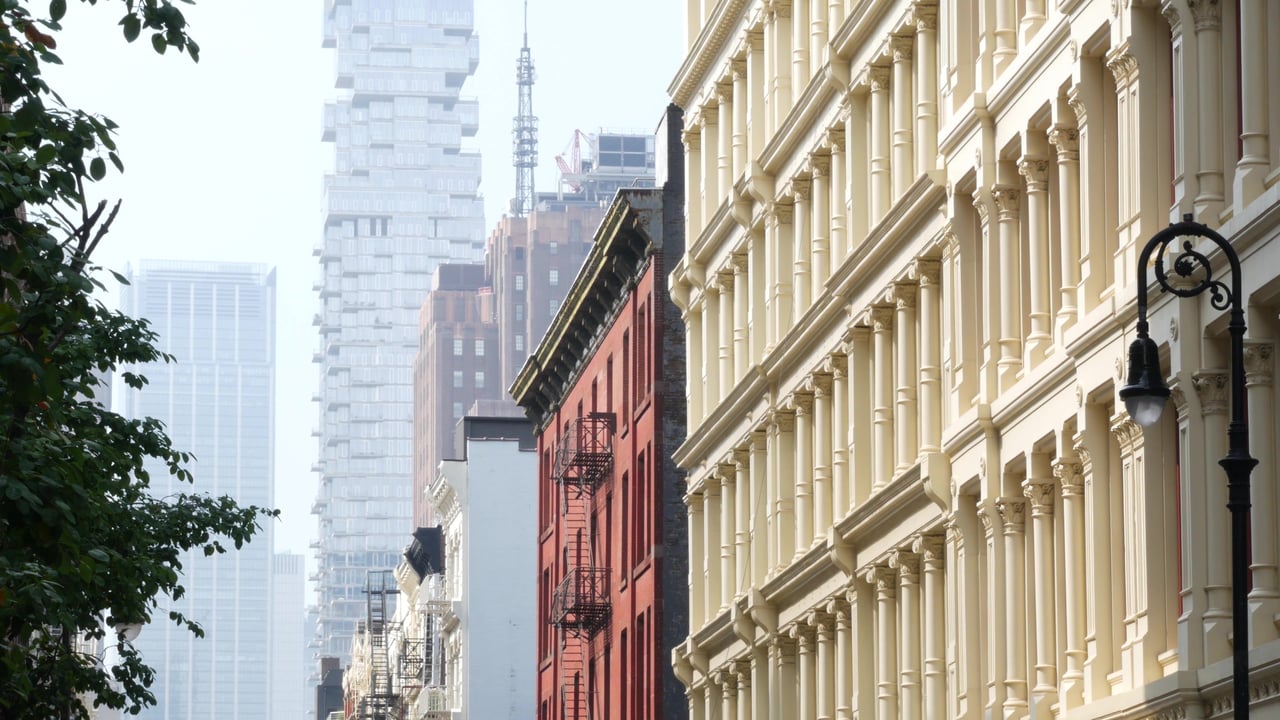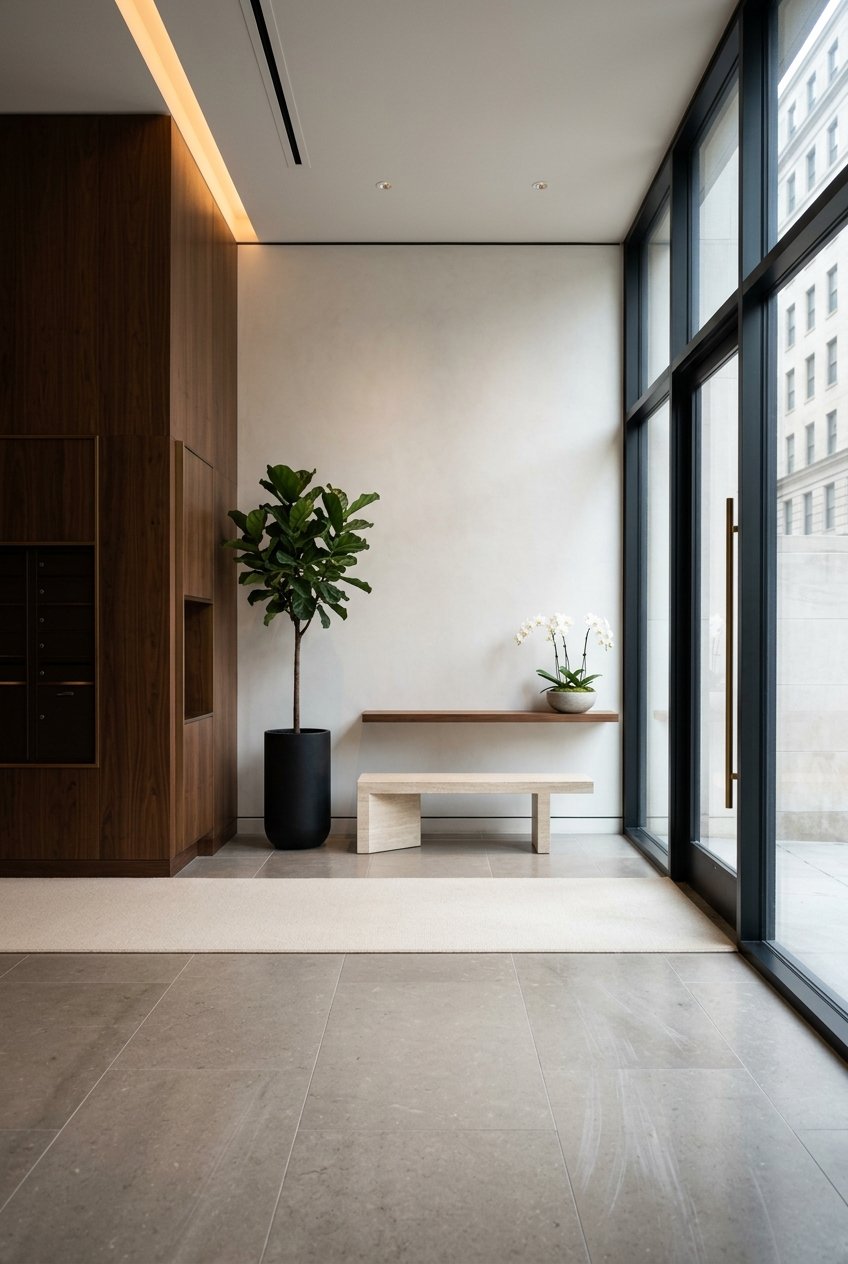
If you still think of the Lower East Side as a neighborhood with just a few luxury outliers, the market has changed. Over the last two decades, this part of Manhattan has developed into a real luxury condo destination, with both large-scale towers and smaller design-forward buildings shaping the next chapter. If you are watching Downtown closely, this guide will help you understand where luxury is emerging, what types of properties define it, and what that means for your search or sale. Let’s dive in.
How luxury took hold on the Lower East Side
The Lower East Side did not become a luxury condo market overnight. It evolved from a neighborhood known for low-rise buildings and tenement streetscapes into one with a meaningful concentration of high-end residential inventory.
A key turning point came in the 2017 to 2018 new development wave. According to CityRealty’s market coverage, average condo price per square foot in the neighborhood jumped 55% year over year in Q1 2018 to $2,059, driven by closings at 100 Norfolk, FORSYTH, and 215 Chrystie. By 2023, the average sold price per square foot had eased to $1,807, still well above older Downtown benchmarks.
Today, the market looks more balanced than overheated. StreetEasy’s 2026 buyer-market ranking placed the Lower East Side at No. 2 among NYC neighborhoods for buyers, citing a median asking price of $1.295 million and 181 homes for sale, up 11.7% year over year. In other words, luxury here is still very real, but buyers now have more room to evaluate options carefully.
The two luxury lanes to watch
The Lower East Side luxury market now seems to operate in two distinct lanes. One is defined by larger anchor developments with broad amenity packages and wider pricing bands. The other is shaped by smaller boutique buildings that lean heavily on architecture, materials, privacy, and curated lifestyle features.
That split matters if you are buying or selling. It affects everything from pricing strategy and target audience to what buyers expect in terms of design, scale, and service.
Anchor developments
The anchor-building lane includes projects that helped put the neighborhood on the luxury map and still influence how the market is perceived. One Manhattan Square remains the most extreme example, with more than 100,000 square feet of amenities including a saltwater pool, spa, bowling lanes, sports courts, fire pits, and a large private garden.
A newer example is 222 LES Tower + Lofts, completed in 2025. The project combines a 28-story tower with a renovated 11-story landmarked loft building and includes 70 condos plus a private 6,700-square-foot park. That tower-plus-conversion format offers a strong clue about where newer luxury product is heading in the neighborhood.
Boutique design-forward buildings
The second lane is smaller in scale but increasingly important. These buildings often focus less on sheer amenity volume and more on design character, private outdoor space, wellness features, and a more intimate residential experience.
This category includes projects like 196 Orchard, 330 Grand, and 100 Norfolk. Together, they show that emerging luxury on the Lower East Side is not just about taller buildings. It is also about more tailored buildings that feel specific to the block, street, and architectural history around them.
Where luxury is emerging now
Several pockets stand out when you look at where higher-caliber condo product is clustering. Each area has a slightly different character, but all point to the same trend: luxury on the Lower East Side is spreading through carefully chosen corridors rather than one uniform district.
Essex Crossing and Broome Street
The clearest luxury cluster runs through Essex Crossing and the Delancey-Broome corridor. 242 Broome helped establish the area’s profile, and its successor at 202 Broome, One Essex Crossing, expanded that momentum with 83 residences and direct access to Essex Market, The Market Line, green space, retail, and office space.
Nearby, 208 Delancey adds another layer to the corridor with an ODA-designed condominium that includes an attended lobby, parlor lounge, landscaped courtyard, fitness center, meditation terrace, and rooftop terrace with a kitchen and fireplace. Here, luxury is tied to convenience and design, but also to a broader mixed-use environment that gives the area everyday functionality.
Chrystie Street and park-facing product
The edge of Sara D. Roosevelt Park remains one of the neighborhood’s most established luxury strips. 100 Norfolk continues to function as an anchor building, with concierge service, a gym, yoga studio, roof deck, and garden lounge.
This pocket also includes smaller boutique addresses at 165, 175, and 199 Chrystie, where the appeal centers on park views, private outdoor space, and larger layouts. At the very top end, 215 Chrystie stands apart as a trophy product with hotel services through the PUBLIC hotel, in-apartment dining, landscaped gardens, a fitness center, and communal workspaces, according to CityRealty’s building roundup.
Orchard, Grand, and the Nolita fringe
Farther west and south, another boutique wave is taking shape where the Lower East Side blends into Nolita and the East Village. Freeman Residences at 4 Freeman Alley offers just 18 condo units and emphasizes prewar-inspired massing, private balconies in select homes, and a quieter amenity package that includes a fitness center, courtyard, and roof terrace.
At 330 Grand, the scale is even more intimate, with 12 units, a terracotta rain-screen facade, and core amenities like storage, a fitness center, and rooftop terrace. This emerging section of the market reflects a clear shift toward smaller, architecture-led luxury that feels tied to the neighborhood’s texture rather than imposed on it.
What luxury looks like now
Luxury on the Lower East Side no longer follows one formula. The biggest change is that amenity strategy and design language have become more selective.
In the earlier phase, projects could stand out through scale alone. Today, many newer buildings emphasize a curated mix of wellness, work, and outdoor spaces instead of trying to compete with resort-style amenity programs.
Amenities are more curated
The contrast with One Manhattan Square is useful. Its amenity package is unusually large, while many boutique projects now focus on attended lobbies, courtyards, roof terraces, meditation areas, and private outdoor space.
That shift says a lot about buyer priorities. Many buyers are still looking for service and convenience, but they are often just as focused on privacy, design quality, and spaces that support daily life in a more understated way.
Design feels more contextual
The design language has also matured. Research across projects shows facades and materials that feel more connected to the neighborhood’s streetscape, industrial history, and creative identity.
For example, 242 Broome uses a champagne-colored SHoP-designed facade, 330 Grand uses white German terra-cotta panels, 208 Delancey emphasizes a curved exterior and rounded corner windows, 4 Freeman Alley nods to prewar architecture, and 196 Orchard uses black-and-bronze brick with industrial-style casement windows. The common thread is that luxury here increasingly feels place-specific.
Pricing tells a more nuanced story
The Lower East Side is not a one-number market. Pricing varies widely because the housing stock now ranges from boutique condos to amenity-rich towers and trophy residences.
Current asking data in the research report show 100 Norfolk with a one-bedroom at $999,000 and a two-bedroom at $1.85 million. At 330 Grand, one-bedrooms are listed around $1.6 million to $1.76 million, while a two-bedroom is listed at $2.425 million.
At a broader range, 222 LES Tower + Lofts is marketing homes from $850,000 studios up to residences priced at $5.495 million. That spread helps explain why broad neighborhood averages only tell part of the story. To understand value on the Lower East Side, you need to compare building type, layout, amenity profile, and exact location within the neighborhood.
What this means if you are buying
If you are buying on the Lower East Side, the current market may offer a more thoughtful entry point than the neighborhood’s earlier surge years. Inventory has expanded, pricing is more varied, and the market appears more balanced than it did at the peak of the last development cycle.
That creates room to be strategic. You can weigh whether you want a full-service anchor development, a boutique building with stronger architectural identity, or a hybrid project that blends new construction with historic character.
It also means your search should go beyond headline prices. Two homes with similar asking prices can offer very different value depending on outdoor space, building services, privacy, floor plan efficiency, and long-term resale appeal.
What this means if you are selling
If you are selling, the Lower East Side now rewards precise positioning. Buyers are looking closely at the details, and many are comparing your property not just against nearby resale inventory but against highly branded new development product.
That means the story matters. Architecture, layout, view lines, private outdoor space, and the building’s place within one of the neighborhood’s emerging luxury corridors can all shape how your home is received.
In a market with both anchor developments and boutique competition, premium results often come from disciplined pricing, polished presentation, and targeted exposure to buyers who already understand the neighborhood’s evolving luxury profile. That kind of positioning is especially important in Manhattan, where subtle differences in product can lead to very different outcomes.
The Lower East Side is no longer simply adjacent to Downtown luxury. It is part of that conversation in its own right, with distinct corridors, clearer product types, and a more refined design language than many buyers expect. If you are considering a purchase or sale in this part of Manhattan, James Weiss NYC can help you navigate the market with discreet, tailored guidance.
FAQs
Where is luxury emerging on the Lower East Side right now?
- Luxury is emerging most clearly around Essex Crossing and the Delancey-Broome corridor, along Chrystie Street near Sara D. Roosevelt Park, and around Orchard, Grand, and Freeman Alley where boutique condo development has expanded.
What types of luxury condos define the Lower East Side market?
- The market is defined by two main categories: larger amenity-rich anchor developments such as One Manhattan Square and 222 LES Tower + Lofts, and smaller boutique buildings that focus on design, privacy, and curated amenities.
How much do Lower East Side luxury condos cost?
- Based on the research report, current asking prices range from about $999,000 for a one-bedroom at 100 Norfolk to as high as $5.495 million for larger residences at 222 LES Tower + Lofts, with many boutique one-bedrooms pricing well above $1.5 million.
Is the Lower East Side a buyer’s market for condos?
- Recent data suggests a more balanced environment, with StreetEasy ranking the Lower East Side among NYC’s top buyer-friendly neighborhoods for 2026 due to increased inventory and a more measured pricing environment.
What amenities are common in newer Lower East Side luxury buildings?
- Common amenities include attended lobbies, roof terraces, courtyards, fitness centers, meditation spaces, private outdoor areas, and in some larger projects, extensive wellness and recreation facilities.
What makes Lower East Side luxury different from other Downtown Manhattan markets?
- The Lower East Side stands out for its mix of large-scale new development and smaller context-driven boutique buildings, with many projects using materials and design references that connect more directly to the neighborhood’s historic streetscape and industrial character.