Welcome to
28,649 people live in Greenwich Village, where the median age is 39 and the average individual income is $147,040. Data provided by the U.S. Census Bureau.
Total Population
Median Age
Population Density
Average individual Income
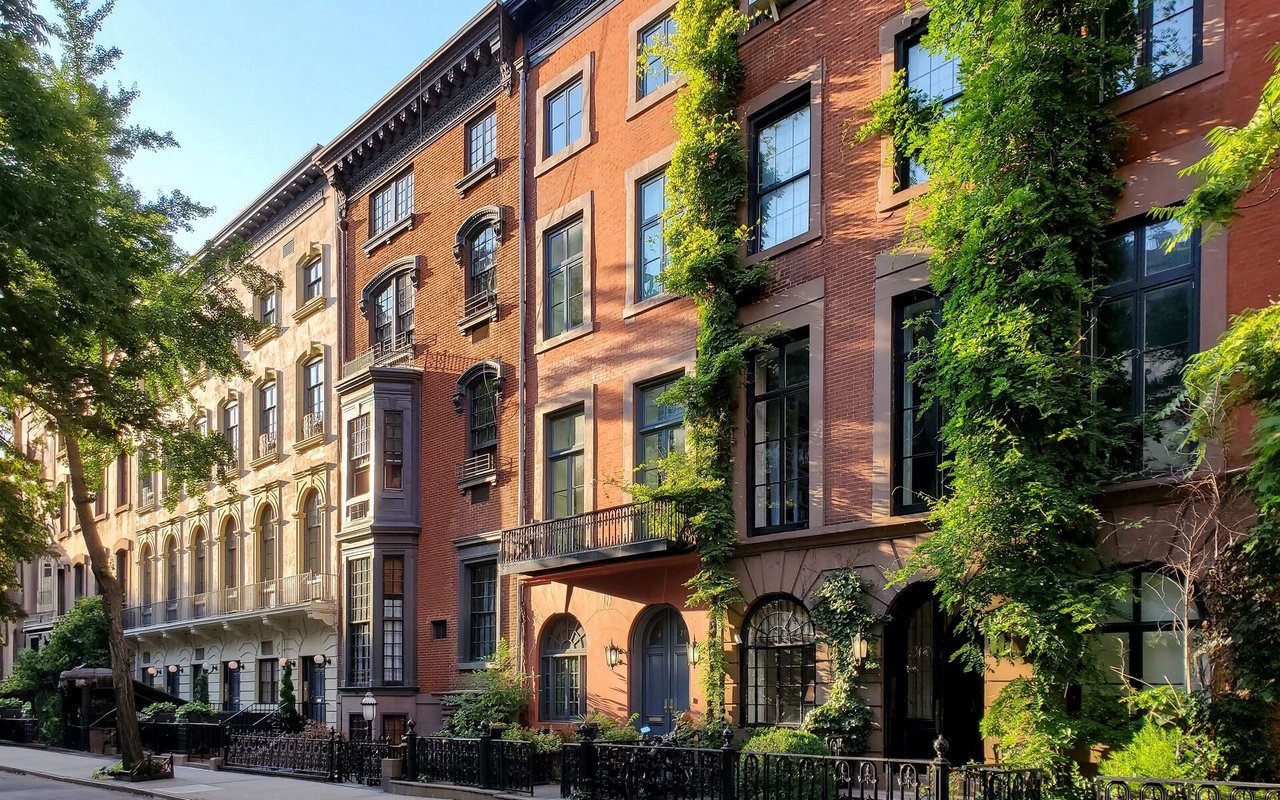
Greenwich Village does not feel like the rest of Manhattan. Where most of the borough follows a rigid, numbered grid, the Village unravels into angled streets, cobblestone mews, and blocks where a Federal-era townhouse sits directly beside a boutique condo designed by a Pritzker Prize winner. It is one of the few neighborhoods in New York City where the architecture actively resists the skyline, and that resistance is legally enforced.
This is a neighborhood shaped by its own mythology. It was the epicenter of the 1960s counterculture movement, the birthplace of modern LGBTQ+ civil rights, and the longtime home of artists, writers, and intellectuals who made the Village synonymous with creative independence. That identity has not been erased by wealth — it has been preserved by it. The buyers who move here today are not looking for a new development with a rooftop pool. They are paying a premium specifically to live somewhere that cannot be replicated anywhere else in the city.
What draws people to Greenwich Village is a combination of architectural scale, neighborhood permanence, and proximity to everything without feeling like you are in the middle of everything. Life here orbits Washington Square Park, the jazz clubs on West 3rd Street, and the kind of local Italian restaurant where the owner still recognizes faces. For buyers who value character over convenience features, the Village is the argument for Manhattan done right.
The Greenwich Village market operates by its own rules. While the broader Manhattan market responds to interest rate cycles and inventory swings, the Village tends to absorb those pressures more quietly. The reason is structural: because much of the neighborhood is landmarked, new construction is effectively capped. When you cannot build more, the existing stock holds its value with unusual consistency.
Pace and Competition
The market moves deliberately rather than frantically. A significant portion of the inventory consists of pre-war co-ops, and the board approval process alone can add four to eight weeks to a transaction timeline. That said, well-priced and well-renovated units move quickly. Bidding wars for studios and one-bedrooms are common, particularly when a listing is priced correctly and hits the market on a Tuesday with open houses scheduled for the weekend.
General Price Ranges
Roughly 50 percent or more of high-end transactions close all-cash, which sets a competitive baseline that financed buyers need to account for from the start.
Historically, Greenwich Village has functioned as a safe haven for real estate capital. During city-wide downturns, the neighborhood retains value better than newer, denser corridors like Hudson Yards or the Financial District, largely because scarcity is built into its DNA.
Several trends are defining the market heading into the mid-2020s.
The Boutique Condo Premium
While the Village has always been co-op country, there is an accelerating trend toward boutique luxury condo conversions. Buyers are increasingly willing to pay 20 to 30 percent more per square foot for condo ownership to avoid the financial disclosures, sublet restrictions, and board approval timelines that define the co-op experience. Buildings like 150 Charles Street and 160 Leroy have set new benchmarks, and that demand has not softened.
Supply Stagnation
Inventory remains near historic lows. Landmarking restrictions prevent meaningful new development, which means that even in high interest rate environments, prices stay elevated. There is no comparable alternative for buyers who want this specific combination of scale, history, and location. That supply ceiling is one of the Village's defining market characteristics.
A Flight to Quality
The mid-2020s are showing a clear "flight to quality" dynamic across Manhattan. Buyers who spent 2019 to 2022 chasing new glass towers are returning to the Village, treating its townhouses and pre-war co-ops as long-term stores of value rather than speculative plays.
Tech Sector Influence
The growth of Google's Hudson Square campus and the broader West Side tech corridor has meaningfully shifted the buyer demographic. High-earning tech professionals now represent a substantial segment of Village purchasers, drawn by the neighborhood's low-rise scale and its distinctly non-corporate environment.
The Village defines luxury differently than almost anywhere else in Manhattan. This is not Billionaires' Row. There are no supertall towers with $100 million penthouses. The luxury product here is defined by discretion, architectural provenance, and the kind of privacy that money can buy in very few neighborhoods this central.
The Townhouse Market
Single-family Greek Revival and Italianate townhouses are the neighborhood's premier assets. These properties rarely come to market and rarely need to be sold, which is precisely why they are coveted. Prices typically begin at $10 million and can exceed $30 million for a fully renovated, 25-foot-wide property on a Gold Coast block. When one does appear, the competition is immediate.
Full-Service Boutique Condos
Buildings like 150 Charles Street and 160 Leroy represent what happens when architectural ambition meets neighborhood-scale restraint. Price per square foot in these buildings regularly exceeds $4,000. Amenities include private driveways, wellness centers, and 24-hour white-glove service, all behind façades that blend almost imperceptibly into the surrounding streetscape.
The Penthouse and Terrace Premium
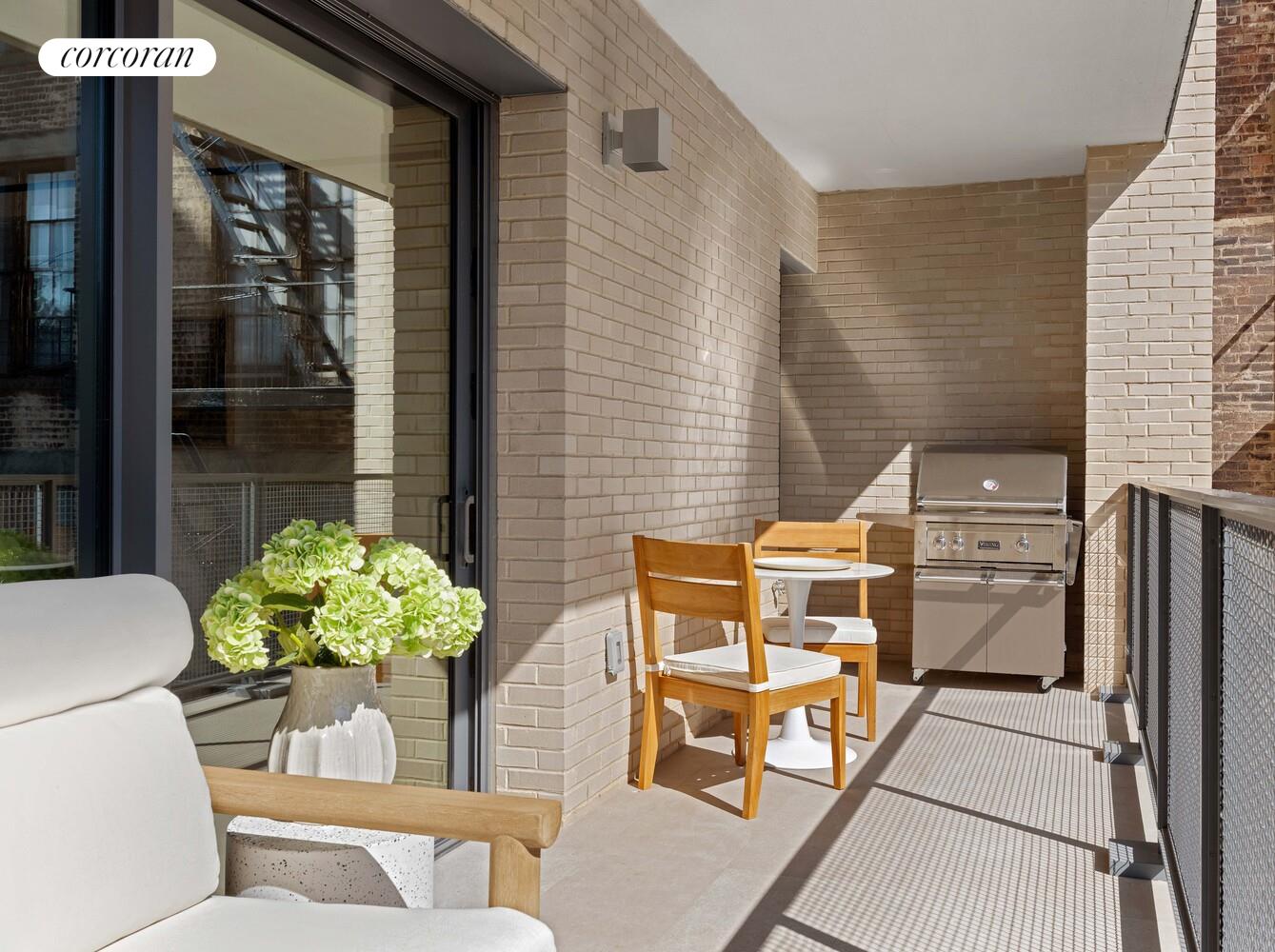
In a neighborhood where buildings rarely exceed six stories, any unit with a private terrace or meaningful skyline sightlines commands a substantial premium. These units frequently trade off-market, moving quietly between brokers before ever appearing on StreetEasy.
The purchase process in Greenwich Village is more layered than in most other markets, primarily because of the neighborhood's inventory composition. Understanding the distinctions between property types before you begin your search will save significant time and prevent the wrong unit from looking like the right one.
Common Property Types
How Competitive Offers Work
When a well-priced apartment hits the market mid-week, it is not unusual for a seller to collect offers by the following Monday afternoon. The format is often sealed bids with a "highest and best" deadline. Being financed is not automatically a disadvantage, but your offer needs to be structurally clean: limited contingencies, verified pre-approval, and ideally a lender the listing broker recognizes.
Mortgage contingencies are increasingly rare in competitive bids. Many sellers will only accept non-contingent offers, meaning if your financing fails, your 10 percent deposit is at risk. Co-op buyers should also expect to spend four to eight weeks assembling a board package before a closing can even be scheduled.
Landmark Restrictions
A significant portion of the neighborhood falls within the Greenwich Village Historic District, overseen by the Landmarks Preservation Commission. This designation protects the neighborhood's visual character, but it also means exterior changes — new windows, door color, structural modifications — require LPC review and approval. That process can take months. Interior renovations may also face delays if they affect a landmarked building's structural integrity. Before purchasing a townhouse or ground-floor unit with renovation ambitions, consult with an LPC-experienced architect first.
Flip Taxes and Co-op Maintenance
Village co-ops typically carry a flip tax — a transfer fee, usually 1 to 3 percent of the purchase price, paid at closing and directed into the building's reserve fund. Monthly maintenance fees can be substantial in older buildings. Always review the building's underlying mortgage and assessment history. A building with a deferred elevator modernization or roof repair may pass those costs to shareholders shortly after your purchase closes.
Flood Zone Considerations
The West Village, closer to the Hudson River, sits within a designated flood zone (Zone AE). This affects homeowner's insurance premiums and building code requirements. Post-Sandy construction in this area now places mechanical systems on upper floors to reduce flood exposure, a standard that newer luxury buildings have largely adopted.
Zoning Relics
Small pockets of the Village still carry M1-5M or M1-6 zoning, a remnant of the neighborhood's manufacturing past. In certain buildings, at least one resident is technically required to be a certified artist. This is rarely enforced today, but it can occasionally create friction with conservative lenders during the financing process. A local real estate attorney will know how to navigate it.
421-a Tax Abatement Expirations
Many luxury condos built or converted in the last 15 to 20 years benefit from 421-a tax abatements that are currently phasing out. A monthly tax bill of $1,200 today can reach $4,500 or more once the abatement fully expires. This has a direct impact on your carrying costs and total borrowing power. Always ask your attorney to pull the full tax schedule before making an offer.
Prepare Your Financials Before You Tour
Village co-op boards are among the most exacting in the country. They typically require a debt-to-income ratio below 25 percent and want to see 24 months of liquid post-closing reserves — meaning enough cash and liquid assets to cover your mortgage and maintenance for two full years after closing. Have your CPA prepare a personal financial statement before you begin touring seriously. Discovering a board's financial requirements after you are under contract wastes time and leverage.
Understand the After-Tax Value of Maintenance
When comparing co-ops, look at the tax deductibility percentage embedded in each building's maintenance. A portion of your monthly maintenance check covers the building's property taxes, and that portion is deductible. A unit with $3,000 monthly maintenance at 50 percent deductibility may actually cost you less after taxes than a $2,500 maintenance unit at 20 percent deductibility. The gross number is not the whole story.
Reconsider the Walk-Up Discount
In Midtown, height translates directly to value. In the Village, the relationship is more nuanced. A second- or third-floor walk-up unit often trades at a 10 to 15 percent discount compared to an elevator building, while still delivering the light and privacy of upper floors. For buyers who are not elevator-dependent, this is consistently one of the better value plays in the neighborhood.
Visit Your Block at Night
The Village is one of Manhattan's most active nightlife destinations. A block that feels serene on a Tuesday morning can look entirely different at 11 PM on a Saturday when bar traffic peaks. Visit any apartment you are seriously considering on a Friday or Saturday night before signing a contract. High-grade acoustic windows matter more here than in almost any other neighborhood in the city.
Know About Pocket Listings
A meaningful volume of desirable Village inventory trades before it ever appears on StreetEasy. This is especially true for townhouses and top-floor co-ops, where sellers often prefer a quiet process to a public listing. A broker with genuine local relationships is not a luxury in this market — it is often the only way to know about a unit before it becomes a bidding war.
The Village is genuinely multi-generational in a way that few expensive Manhattan neighborhoods manage to be. It is not defined by a single income bracket or life stage but by a shared orientation toward culture, history, and a particular quality of urban life.
Academic and Intellectual Community
NYU and The New School are woven into the neighborhood's daily fabric. The result is a high concentration of professors, researchers, and graduate students who keep the neighborhood intellectually active year-round. This is not a transient student population — faculty and long-term academic residents are among the most committed stakeholders in Village civic life.
Established Creatives
Authors, directors, architects, and artists who arrived in the Village decades ago and never left. These residents are the neighborhood's institutional memory. They frequent the same bistros they discovered in the 1990s and are often the people who show up at community board meetings to defend the character of a block.
High-Earning Tech and Finance Professionals
The expansion of Google's Hudson Square campus has brought a new wave of buyers: mid-career tech executives who want a sophisticated residential environment that does not feel corporate. These buyers are drawn specifically to the Village's low-rise scale and its resistance to the kind of generic luxury that defines newer development corridors.
Families
The Village supports family life more than its dense, urban character might suggest. PS 41 is one of the most sought-after public elementary schools in Manhattan, and the neighborhood's private school options — Grace Church School, LREI, and the Village Community School among them — draw families from across the city. The quieter pockets of the West Village, in particular, have become established family enclaves.
Pied-à-Terre Buyers
The Village is a top destination for international buyers and part-time city residents seeking a Manhattan base that feels like a home rather than a hotel suite. Its central location, architectural warmth, and manageable scale make it a natural choice for buyers who want the city to feel welcoming rather than overwhelming.
The architecture of Greenwich Village is, in a meaningful sense, the neighborhood's primary asset. Because so much of the area falls within the historic district, the streetscape has remained largely intact for over a century, creating a visual consistency that is genuinely rare in Manhattan.
Federal and Greek Revival (1820s–1850s)
The oldest residential fabric in the neighborhood. These homes are concentrated on the Gold Coast blocks and the West Village, characterized by red-brick façades, low stoops, fanlight windows, and — in the Greek Revival examples — bold colonnaded entrances. These are among the most architecturally significant residential properties in New York City.
Italianate Brownstones (1850s–1870s)
The classic "Old New York" building type. Tall ornate stoops, deep window hoods, and heavy cornices that cast dramatic shadows on the street. These properties attract buyers who want the authentic character of a 19th-century New York building without the compromises that come with conversion.
Large, well-constructed apartment buildings lining lower Fifth Avenue and University Place. Interior details typically include herringbone hardwood floors, beamed ceilings, deep-set windows, and in some units, wood-burning fireplaces. These buildings were built to last, and they have.
Modern Boutique Condos
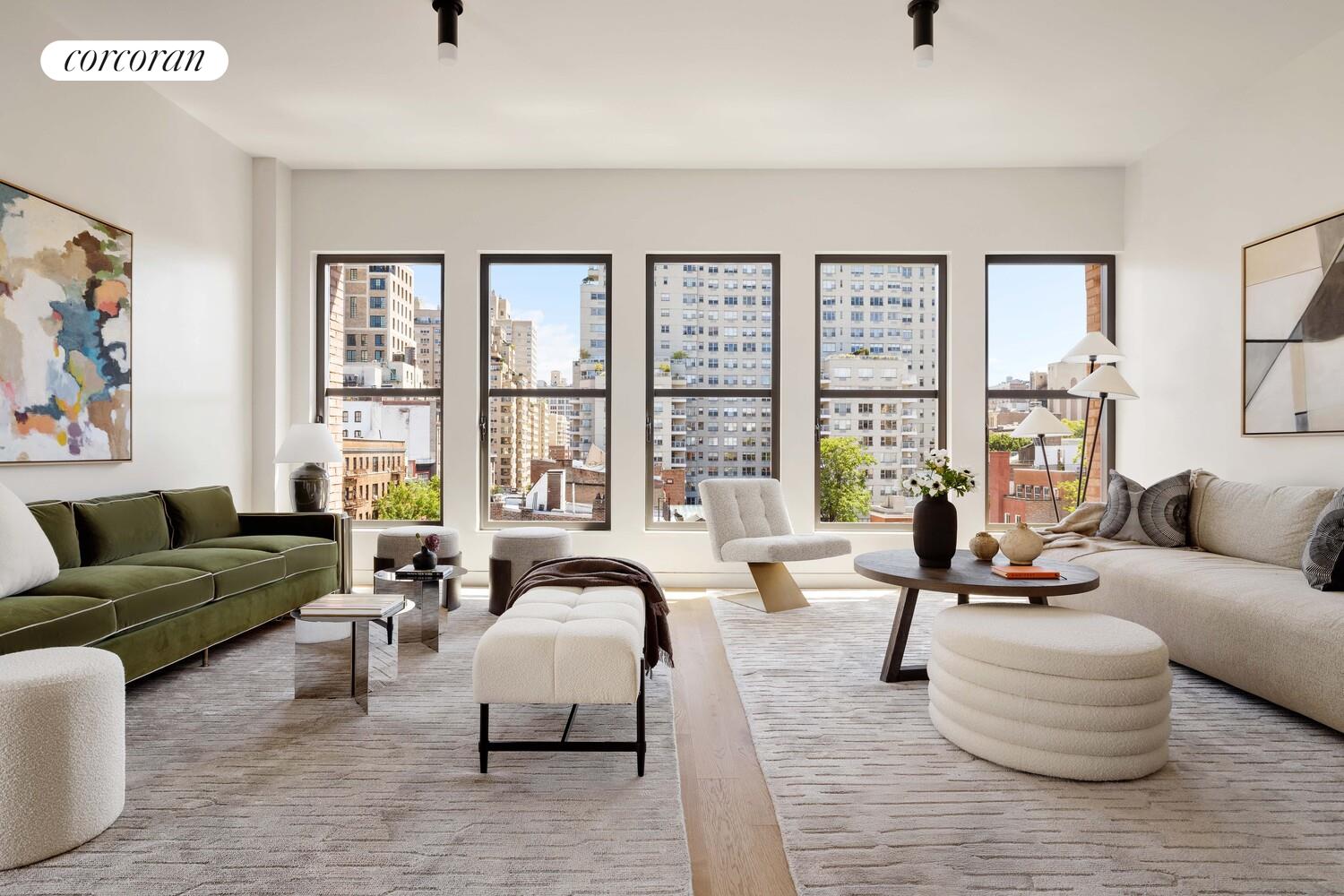
The architectural counterpoint to the neighborhood's historic fabric. Buildings by Richard Meier, Herzog and de Meuron, and others represent some of the most recognizable contemporary residential architecture in Manhattan, yet they are typically restricted in height to maintain the neighborhood's low-rise character. Floor-to-ceiling glass, private terraces, and industrial-scale details sit blocks away from Greek Revival townhouses — and somehow, the Village absorbs the contrast.
Greenwich Village holds a Walk Score of 100, and that number is not an exaggeration. The neighborhood's central position within Manhattan, combined with its access to multiple subway lines, makes it one of the most transit-rich residential addresses in the country.
Subway Access
Commute Times to Major Employment Centers
Cycling and Pedestrian Infrastructure
The Hudson River Greenway runs along the western edge of the neighborhood, providing a protected north-south cycling and running path that connects directly to FiDi to the south and Midtown to the north. Within the Village itself, the narrow, one-way streets naturally slow traffic, making the pedestrian experience substantially more comfortable than on the wide, high-volume avenues of the Upper East or Upper West Side.
For family buyers, the Village's position within Manhattan's School District 2 is one of its most compelling practical advantages. District 2 is widely regarded as the strongest public school district in the city, and the neighborhood's specific options within it are among its most competitive.
Public Schools
PS 41 (Greenwich Village School) is the anchor public elementary for the neighborhood and one of the highest-rated in Manhattan. It is known for its strong parental community, rigorous academic environment, and a Green Roof environmental science program that has become a distinctive part of the school's identity. PS 3 (The John Melser Charrette School) serves as a popular alternative for families oriented toward progressive, arts-integrated education.
At the middle school level, MS 297 at 75 Morton Street and the Clinton School are consistently well-regarded for academic culture and community engagement. High school placement for District 2 students feeds into the city's specialized school system, with competitive pathways to Stuyvesant, Bronx Science, and LaGuardia.
Private Schools
Grace Church School provides a JK through 12 program rooted in academic excellence and community. Little Red School House and Elisabeth Irwin High School (LREI) have defined progressive independent education in New York for generations, with a curriculum that reflects the Village's own history of civic engagement. The Village Community School is known for its active-learning philosophy and multi-age classroom model. All three draw families from well beyond the immediate neighborhood and are considered destination schools in their own right.
Washington Square Park
Washington Square Park is not just a park — it is the neighborhood's primary public room. The arch, the fountain, the chess tables, the dog runs, the weekend performers, and the surrounding ring of NYU buildings create an urban commons that functions at all hours and in all seasons. For buyers, proximity to Washington Square Park is one of the most reliable price multipliers in the neighborhood.
Hudson River Park
The 550-acre waterfront park serves as the West Village's de facto backyard, running along the Hudson from Chambers Street to 59th Street. Piers for kayaking, protected cycling lanes, and long stretches of lawn with direct sunset views make it a daily resource for residents rather than an occasional destination.
Jefferson Market Garden
One of the Village's genuinely hidden spaces — a community-maintained botanical garden adjacent to the landmarked Jefferson Market Library on Sixth Avenue. It is the kind of place that longtime residents know and visitors rarely find.
Christopher Park and Sheridan Square
Smaller historic pocket parks that anchor the neighborhood's western edge. They are modest in scale but carry significant historical and cultural weight, and they provide the quiet green intervals that make the Village's density feel manageable.
The Village's dining and nightlife scene is not organized around spectacle. It is organized around consistency, depth, and the particular pleasure of knowing where you are going before you get there.
Minetta Tavern remains one of the most persistently celebrated restaurants in Manhattan, and that longevity reflects something true about how the neighborhood treats its institutions. L'Artusi has held its position as a neighborhood anchor for Italian cooking with the kind of quiet confidence that does not require rotation or reinvention. Joe's Pizza on Carmine Street has been the subject of more food-world arguments than almost any other restaurant in New York, which is, itself, a kind of achievement.
The Village is the jazz capital of the United States. The Village Vanguard has been running continuous programming since 1935 and remains the standard against which every other jazz room in the world measures itself. Blue Note draws international acts and a global audience without ever losing its neighborhood character. This is not background music — these are active listening rooms with deep histories and serious programming.
Nightlife elsewhere in the neighborhood tends toward the intimate and the well-crafted. Wood-paneled cocktail bars with short menus and long histories are the dominant format. The Village has never been interested in the rooftop megaclub aesthetic, and that restraint is reflected in the kind of residents it attracts and retains.
Property taxes in Greenwich Village depend heavily on how the city classifies your building, and understanding that classification before you close is directly relevant to your carrying costs.
Co-ops (Class 2)
In a co-op, property taxes are embedded in your monthly maintenance fee. The building receives a single consolidated tax bill, and each shareholder pays a proportional share. Co-ops often benefit from the city's Co-op/Condo Abatement program, which for primary residents can result in a meaningfully lower effective tax rate than what condo owners pay individually.
Condos (Class 2)
Condo owners receive individual tax bills. Many of the Village's luxury condos have benefited from 421-a tax abatements tied to their construction or conversion date. These abatements are actively phasing out across the city. A condo carrying $1,200 per month in taxes today could reach $4,500 or more per month in three to five years once the abatement fully expires. Buyers should request the full tax abatement schedule from their attorney before signing a contract and model the fully-phased rate into their affordability calculation.
Townhouses (Class 1)
Single-family and small multi-family townhouses are classified as Class 1 properties, which are taxed at a lower percentage of assessed value than Class 2 apartments. However, given that Village townhouses routinely trade between $10 million and $30 million, the absolute annual tax figure is still significant. Expect annual property taxes on a renovated Village townhouse to range from $40,000 to $90,000 or more, depending on the specific assessed value.
The Assessment Cap Advantage
New York State law limits how much the assessed value of Class 1 and small Class 2 properties can increase year over year. This creates a compounding advantage for long-term owners, whose effective tax rate tends to drift below market over time. As a new buyer, your assessed value will reset closer to your purchase price, which means your taxes will likely be higher than your neighbor's — even if the properties are functionally identical.
When touring any condo or co-op, ask specifically about J-51 or 421-a status. If no abatement is in place, your carrying costs will be higher from day one, and that difference needs to be reflected in your offer.
Navigating the Greenwich Village market requires more than access to listings. It requires understanding which blocks command a premium and why, which co-op buildings have been well-managed and which have deferred maintenance catching up to them, and how to position an offer when the most desirable units never appear on StreetEasy.
The James Weiss Team specializes in Manhattan residential real estate with deep expertise in Greenwich Village and the surrounding neighborhoods. Whether you are buying your first co-op, evaluating a townhouse renovation project, or looking for a luxury condo that has not yet hit the public market, the James Weiss Team provides the local knowledge and transactional experience to guide you through every stage of the process.
Reach out directly to start a conversation about what the Village has to offer and where you fit within it.
There's plenty to do around Greenwich Village, including shopping, dining, nightlife, parks, and more. Data provided by Walk Score and Yelp.
Explore popular things to do in the area, including Latosha's Touch.
Greenwich Village has 13,926 households, with an average household size of 2. Data provided by the U.S. Census Bureau. Here’s what the people living in Greenwich Village do for work — and how long it takes them to get there. Data provided by the U.S. Census Bureau. 28,649 people call Greenwich Village home. The population density is 102,744 and the largest age group is Data provided by the U.S. Census Bureau.
Total Population
Population Density Population Density This is the number of people per square mile in a neighborhood.
Median Age
Men vs Women
Population by Age Group
0-9 Years
10-17 Years
18-24 Years
25-64 Years
65-74 Years
75+ Years
Education Level
Total Households
Average Household Size
Average individual Income
Households with Children
With Children:
Without Children:
Blue vs White Collar Workers
Blue Collar:
White Collar:
Explore Other Neighborhoods
590 Madison Ave 8th Flr New York, NY 10022
590 Madison Ave 8th Flr New York, NY 10022