Welcome to
57,818 people live in Lower East Side, where the median age is 41 and the average individual income is $46,900. Data provided by the U.S. Census Bureau.
Total Population
Median Age
Population Density
Average individual Income
The Lower East Side is one of Manhattan's most fascinating contradictions: a neighborhood where century-old tenement buildings sit shoulder-to-shoulder with floor-to-ceiling glass towers, where a $400,000 HDFC co-op can exist on the same block as a $10 million penthouse. For buyers willing to navigate its quirks, the LES offers something increasingly rare in downtown Manhattan: real value, genuine character, and a community that still feels lived-in rather than curated.
This guide is built from years of helping clients close deals on the LES — from first-time buyers tackling co-op boards to investors chasing waterfront condos. Here is what you actually need to know.
The Lower East Side is currently sitting in a transitional, "cool" phase that strongly favors patient buyers. The frenetic bidding wars of recent years have largely cooled off, and the neighborhood has shifted into a balanced-to-buyer's market. Properties are spending a median of 79 to 85 days on the market — roughly two weeks longer than this time last year — and homes are closing at an average of 2.5% below asking price. That gives well-prepared buyers real negotiating room, something that has been in short supply downtown for the better part of a decade.
Inventory remains relatively tight but stable, hovering between 130 and 180 active listings at any given time. This supply constraint creates a natural price floor, preventing any meaningful downward spiral despite the slower pace of sales. The overall median listing price sits around $1.04 million, while actual closed sales land near $965,000 to $980,000 — a spread that reflects how dramatically prices range depending on whether you are looking at a pre-war walk-up co-op or a brand-new amenity-rich condo.
To put the price divergence into perspective, here is how studios, one-bedrooms, and two-bedrooms typically break down by property type:
Unit Type | Co-ops (Pre-war/Walk-ups) | Condos (New Dev/Amenity-rich) |
|---|---|---|
Studio | $400,000 – $600,000 | $750,000 – $950,000 |
1-Bedroom | $625,000 – $850,000 | $1,100,000 – $1,600,000 |
2-Bedroom | $900,000 – $1,300,000 | $1,900,000 – $3,000,000+ |
The most defining trend on the LES right now is the widening gap between co-ops and condos. The neighborhood's enormous inventory of pre-war co-ops and HDFC (income-restricted) buildings represents the lowest financial barrier to entry anywhere in Manhattan south of 96th Street. Yet co-op prices have stayed relatively flat, weighed down by strict board requirements and buyer hesitation around renovation costs. Modern condos, on the other hand, regularly clear $1,800 per square foot and are driving nearly all of the neighborhood's median sale price gains — fueled by liquid buyers and strong Wall Street bonus cycles.
A second trend worth understanding is what I call the "luxury skew." The influx of massive glass towers in the Two Bridges area, particularly developments like One Manhattan Square, has fundamentally distorted local data. When a wave of multi-million-dollar units closes in a single month, the neighborhood's median numbers spike upward, masking the fact that standard tenement and walk-up inventory remains very affordable by Manhattan standards. If you only read the headline numbers, you would miss the real opportunity sitting at street level.
The third major dynamic is the rent-versus-buy catalyst. The LES rental market is remarkably stubborn, with median rents climbing more than 5% year-over-year to land between $5,100 and $5,500 per month. That rental pressure is pushing lifestyle-focused renters who have saved up a down payment to seriously consider buying — particularly co-ops and one-bedroom condos — as a way to stabilize their monthly housing costs against continued rent inflation.
Looking forward, the LES is positioned as a "growth and rental demand" neighborhood. Because it sits at a meaningfully lower price point than neighboring NoHo (around $3.9 million median) or the East Village (around $1.15 million median), it is drawing strong attention from first-time buyers seeking value and investors looking for reliable rental absorption. Expect slow, controlled appreciation of 4% to 6% as the market stabilizes.
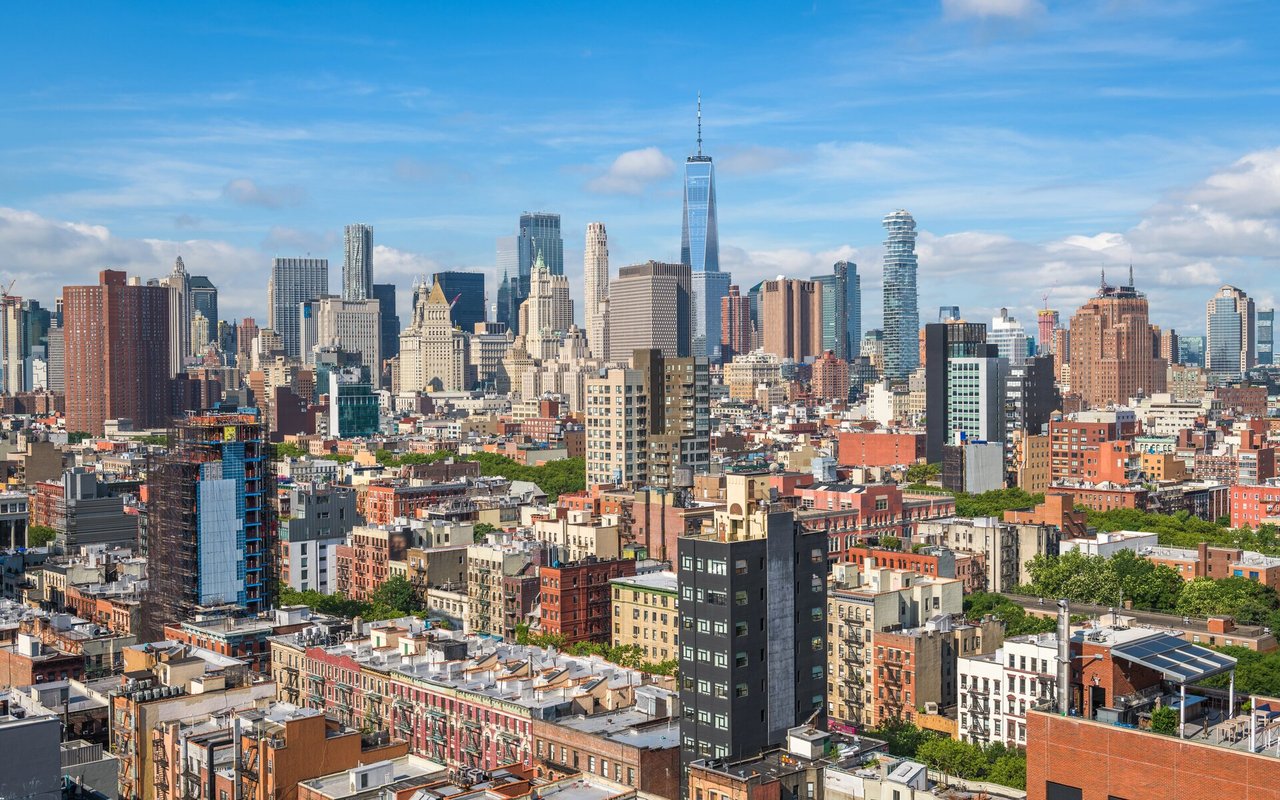
The luxury tier on the LES is its own distinct micro-market that behaves nothing like the rest of the neighborhood. While the broader LES is defined by value-driven co-ops and historic walk-ups, the luxury segment is built around sleek, modern new construction and the glassy waterfront mega-towers that have reshaped the southern skyline over the past decade.
Luxury here generally begins at $3 million and climbs sharply above $10 million for penthouses. On a price-per-square-foot basis, expect $1,800 to $2,500+ PSF, which puts the LES luxury tier squarely on par with Soho and Tribeca. The primary engine of this segment is the cluster of waterfront towers along the southern edge of the neighborhood — buildings like One Manhattan Square — which have collectively introduced thousands of high-end units to a neighborhood that historically had almost none.
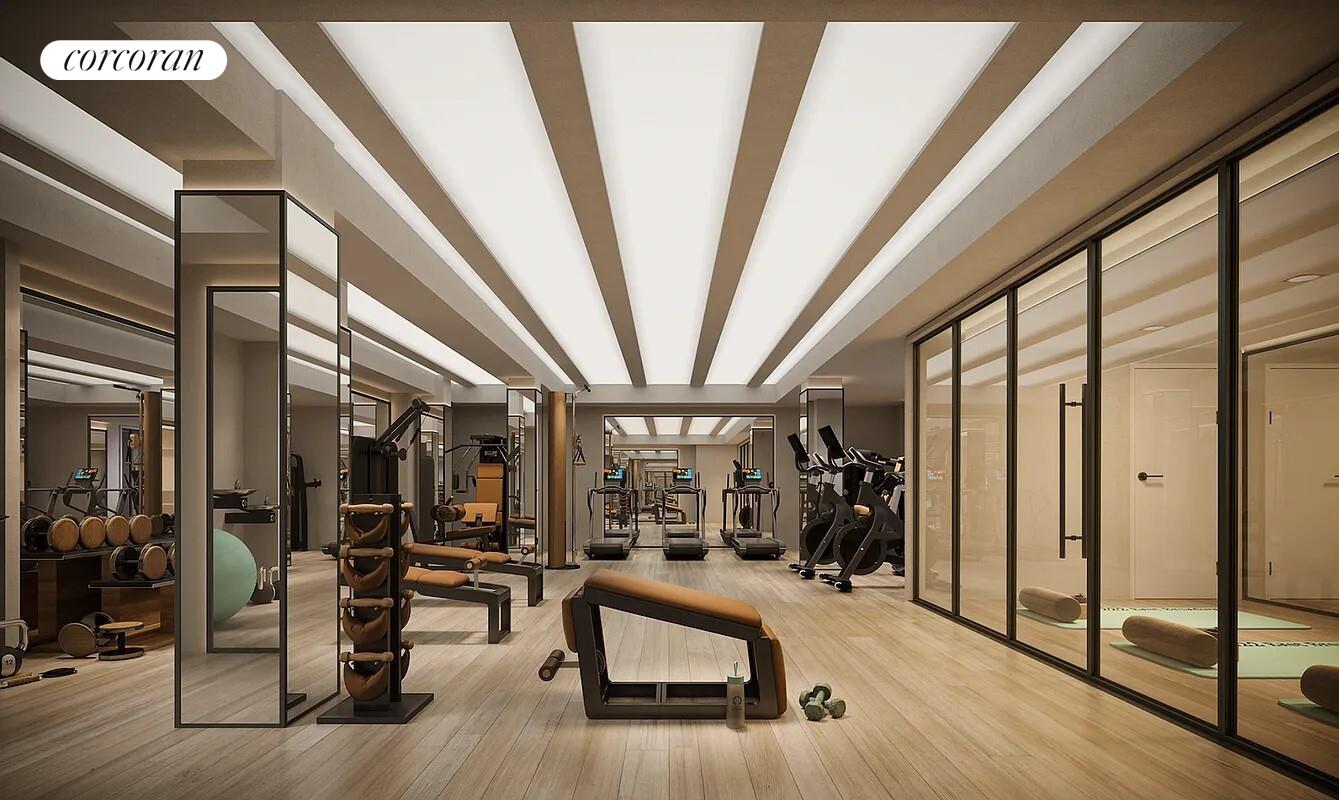
What buyers are really paying for at this tier is not history or quiet residential streets, but rather views and vertical-village living. LES luxury comes with amenities you simply cannot find in pre-war Manhattan: 100,000-square-foot fitness and wellness centers, indoor pools, private bowling alleys, automated parking garages, and panoramic, unobstructed views of the East River and the Brooklyn skyline. For the right buyer, that trade-off is exactly the appeal.
Buying on the LES requires understanding that the process changes dramatically depending on what type of property you are pursuing. The neighborhood's inventory falls into three main categories, and each carries its own rules of engagement.
Pre-war co-ops, including the classic tenements and walk-ups, make up the vast majority of affordable inventory. When you buy one, you are not actually purchasing real estate in the traditional sense — you are buying shares in a corporation that owns the building, paired with a proprietary lease for your unit. HDFC co-ops are a specialized subset of these, offering some of the most affordable prices in Manhattan but with strict maximum income caps tied to a percentage of the Area Median Income. Modern condos, by contrast, are standard real-property purchases that give you full flexibility but come with premium prices and higher closing costs.
With the market in its current cooler phase, buyers genuinely hold the upper hand. Bidding wars are now rare unless a unit is dramatically underpriced. Properties sit for an average of 85 days, and buyers are routinely negotiating 2.5% below asking — making this a strong environment for firm, well-supported counteroffers.
The single biggest hurdle most LES buyers face is not the bank — it is the co-op board. Where a condo might let you put down 10%, LES co-op boards almost universally demand a minimum 20% to 25% down payment. Even more challenging is the post-closing liquidity requirement: many boards expect you to have 24 months of housing expenses (mortgage plus maintenance) remaining in liquid cash after your down payment and closing costs. This is the requirement that quietly kills more deals than any other, so it is essential to plan for it well in advance.
On contingencies, financing contingencies remain standard for non-cash buyers, but co-op contracts include an additional and important protection: the board turn-down contingency, which voids the contract and returns your 10% deposit if the board rejects your application for any reason. Inspection contingencies are rarely used in high-rise condos or well-maintained co-ops, but they become genuinely important in smaller, self-managed walk-ups of four or five units, where structural maintenance is a shared financial responsibility.
The LES is a neighborhood of geographic and structural extremes, and there are three specific issues every buyer needs to understand before signing anything.
The first is flood risk. Large portions of the neighborhood — particularly east of Avenue B and the entire Two Bridges corridor — sit squarely within FEMA's 100-year floodplain (Zone AE). If you are buying a garden-level or ground-floor apartment in this area, expect higher insurance premiums and pay close attention to building-wide assessments related to flood-proofing. The good news is that the city has invested billions in the East Side Coastal Resiliency (ESCR) project, building flood walls, floodgates, and elevated parkland to protect the neighborhood. When evaluating a building, always ask about its history of structural water damage (especially during Hurricane Sandy) and verify whether mechanical systems like boilers have been relocated out of the basement.
The second issue is the HDFC income trap. HDFC co-ops look like incredible deals on paper — often listed at $300,000 to $500,000 for a prime one-bedroom. The catch is that these buildings are legally mandated affordable housing, with strict income caps capped at a percentage of AMI (often 120% or 165%). Here is the paradox: while your income has to be low enough to qualify, the board will still require a substantial cash down payment, sometimes 20%, 50%, or even 100% cash. This makes HDFCs a niche fit, typically working best for buyers with gifted wealth but modest taxable income.
The third issue, and arguably the most dangerous, is the land lease problem. Several prominent co-op complexes on the LES sit on land they do not own — they operate on a ground lease with a private estate or the city. If a land lease is set to expire within the next 20 to 30 years, banks will refuse to issue mortgages in that building, effectively freezing the market for those apartments. Even when leases are renegotiated, ground rent can skyrocket, sending monthly maintenance fees double or triple overnight and gutting property values. Always have your real estate attorney review lease terms carefully during due diligence.
The rent-versus-buy decision on the LES comes down to a clear math equation that, for most long-term residents, tilts firmly toward buying. The neighborhood's price-to-rent ratio sits between 14 and 17, which generally signals that ownership makes strong financial sense if you plan to stay at least five to seven years.
Consider the rental side first. Average LES rents are running between $5,700 and $6,300 per month, with that number pulled upward by the high-rise inventory. Older, non-doorman pre-war one-bedrooms still routinely fetch $3,800 to $4,500 per month. The bigger issue is rent inflation, which has historically jumped 4% to 10% annually depending on inventory cycles. Renting builds zero equity, exposes you to those annual hikes, and gives you no tax shelter.
Now compare that to buying a charming, renovated pre-war one-bedroom co-op for $700,000. With a 20% down payment of $140,000 and a standard mortgage rate, your monthly principal and interest lands around $3,700. Add a typical $900 monthly maintenance fee (which covers building upkeep and your share of property taxes), and your total out-of-pocket housing cost is roughly $4,600 per month — often equal to or less than renting a comparable unit, with the additional benefit that your mortgage stays fixed while market rents continue to climb.
The one caveat is the luxury condo tier. When purchase prices cross $2 million and common charges run high, the math can flip — renting a luxury unit may actually be more cost-effective, freeing up capital to invest elsewhere. For everyone else, owning is increasingly the smarter long-term play.
The LES is a masterclass in controlled chaos. It is hyper-walkable, raw, and fiercely independent — a neighborhood that has resisted the kind of sanitized gentrification that has flattened so much of downtown Manhattan. The personality here is artsy, gritty, energetic, and deeply historic, striking a balance between old-world New York and avant-garde youth culture that you simply cannot replicate elsewhere.
By day, the LES is community-centric and intimate, thanks to its narrow, low-rise streets. Sidewalks are busy with people grabbing artisanal espresso, browsing contemporary art galleries that migrated here from Chelsea, and shopping at independent boutiques. There is a real respect for the neighborhood's roots — century-old institutions like Katz's Delicatessen and Russ & Daughters coexist seamlessly with trend-forward vegan cafes and natural wine bars.
After dark, the energy shifts entirely. The LES holds one of the highest concentrations of bars, hidden speakeasies, live music venues, and underground clubs in the city. Ludlow, Orchard, and Rivington Streets become magnetic centers for nightlife, drawing a stylish, young crowd. And yet, even with that nightlife pressure, the neighborhood holds onto a passionate local population — multi-generational families who have been here for decades mix easily with young creatives and tech professionals at Seward Park or the M'Finda Kalunga Community Garden.
The LES skyline reads like a literal timeline of New York housing policy — moving from 19th-century immigrant tenements to mid-century urban renewal complexes to 21st-century architectural exhibitionism. For buyers with strong aesthetic preferences, the neighborhood offers a striking visual dichotomy.
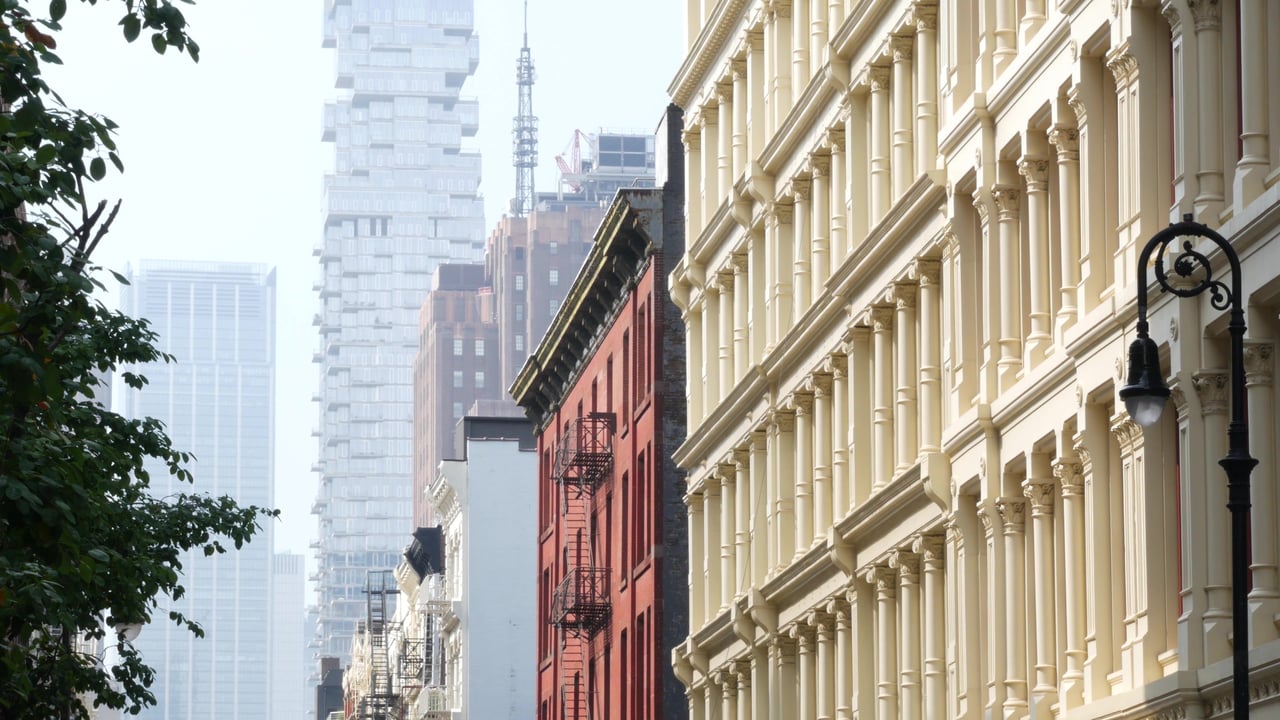
The dominant visual anchor is the 19th-century pre-war tenement, built mostly between 1860 and 1910. These buildings define the LES at street level: decorative terracotta cornices, weathered red-brick facades, and the iconic iron fire escapes zig-zagging up the front. Inside, they are full of character — exposed brick, original hardwood, high ceilings, occasional decorative molding. The trade-off is that most of these buildings are four-to-six-story walk-ups without central air, in-unit laundry, or elevators.
East of Essex Street and along the FDR, the architecture shifts dramatically into mid-century "tower-in-the-park" co-ops — sturdy, utilitarian brick complexes like the Seward Park Co-ops and the Amalgamated Dwellings, built between the 1930s and 1960s. The exteriors are plain, but the interiors are famously spacious, with large living rooms, separate kitchens, elevator access, and often full-time security or doormen — amenities that simply do not exist in older tenement stock.
The third layer is the modern luxury era, where the LES has become a playground for starchitects. The undulating glass facade of the Blue Condominium (Bernard Tschumi), the raw concrete and glass of 215 Chrystie Street (Herzog & de Meuron), and the soaring waterfront towers like One Manhattan Square represent a completely different design language — floor-to-ceiling glass, minimalist interiors, imported finishes, and panoramic bridge and river views.
The LES is a commuter's paradise with a Walk Score of 98 to 100. Daily errands genuinely require no vehicle transit, and the neighborhood is exceptionally well-positioned for anyone working in Manhattan's primary economic hubs or Brooklyn's tech corridors.
The transit spine is the Delancey St–Essex St hub and the Grand St station. The F, M, J, and Z trains slice directly through the center of the neighborhood, while the B and D trains run through Grand Street. From here, the Financial District is a 5-to-10-minute subway ride or a pleasant 20-minute walk. Midtown destinations like Union Square, Herald Square, and Rockefeller Center are 15 to 25 minutes away. And Brooklyn tech hubs in DUMBO and Williamsburg sit just one or two stops across the river. The MTA's contactless OMNY system has fully replaced the MetroCard, with a flat $3.00 single fare and an automatic weekly cap of $36.
Beyond the subway, the LES has heavy bike-lane density, including a dedicated two-way path along Allen Street and the East River Greenway, plus Citi Bike docking stations on nearly every third corner. The Corlears Hook ferry landing on the eastern edge offers a scenic commute via NYC Ferry, connecting directly to Wall Street/Pier 11, Midtown East, and several Brooklyn and Queens waterfront hubs for $4.50.
For family buyers, the most important thing to understand is that the LES falls within NYC Geographic District 1, which operates under a "Zoneless/Unzoned Choice" system. Unlike most NYC neighborhoods where your street address dictates your school assignment, District 1 parents rank their preferred schools across the entire district, and a lottery-based system handles placements with equity measures built in. This means your home address does not automatically guarantee or eliminate any particular school — a meaningful planning consideration for buyers with school-aged children.
On the elementary side, the standout option is NEST+m (New Explorations into Science, Technology and Math) on Columbia Street — one of NYC's most competitive K-12 public schools, a designated Citywide Gifted & Talented program with strong testing performance and a rigorous STEM focus. PS 184 Shuang Wen School is a celebrated K-8 dual-immersion English and Mandarin program that operates on an extended day schedule and attracts families from across the borough. PS 110 Florence Nightingale is known for its dual-language French program and its progressive, arts-integrated approach.
At the high school level, Bard High School Early College Manhattan on East Houston Street allows students to complete a rigorous high school curriculum in two years and then spend their junior and senior years earning a tuition-free Associate in Arts degree from Bard College alongside their diploma. Lower East Side Preparatory High School is widely respected for its strong English New Learner (ENL) and transitional bilingual programs in Chinese and Spanish.
For families considering private options, the Blue School (founded by the creators of Blue Man Group, known for its progressive, inquiry-based framework) is right in the neighborhood, with additional premier private academies in nearby Greenwich Village and the East Village.
While the LES is overwhelmingly dense and paved, its outdoor spaces are in the middle of a major revitalization that meaningfully adds long-term value for property owners. The anchor is East River Park, the neighborhood's de facto backyard, which has been the centerpiece of the East Side Coastal Resiliency project. The park has been elevated and substantially rebuilt to function as a world-class storm-surge barrier, and the newly unveiled phases include turf soccer fields, tennis courts, vibrant basketball courts, and a widened waterfront esplanade with dedicated bike paths.
For smaller daily escapes, residents flock to Seward Park (with its historic playground, dog run, and landmark public library branch) and Sara D. Roosevelt Park, a green ribbon running down Chrystie Street that serves as a hub for casual recreation and community sports leagues. Tucked between tenement blocks are the neighborhood's secret weapons: resident-managed community gardens like the M'Finda Kalunga Garden, which offer quiet, shaded refuges from the surrounding urban energy.
The food and beverage scene on the LES is one of the strongest lifestyle signals a neighborhood can send: this is a place built for socializing, culinary exploration, and late nights. What makes it special is the unapologetic mix of high and low culture that has stubbornly resisted corporate sterilization. You can walk past century-old culinary landmarks like Katz's Delicatessen or Russ & Daughters and, on the exact same block, find high-end natural wine bars, hidden listening lounges with vintage vinyl sound systems, and intimate Michelin-starred tasting counters. The neighborhood's culinary baseline is amplified further by its seamless intersection with Chinatown, which puts world-class casual eateries within easy walking distance.
The nightlife layer is highly concentrated and energetic. The blocks around Ludlow, Orchard, and Rivington Streets are some of the most magnetic in the city, populated by boutique hotels with rooftop cocktail lounges, indie rock venues, and candlelit subterranean speakeasies. For buyers, this means unbeatable convenience and entertainment right outside the door. The trade-off is weekend foot traffic — smart buyers who want to enjoy the energy without absorbing all of it tend to target higher floors or quieter residential corridors near Seward Park.
The Lower East Side rewards buyers who understand its quirks — the co-op board hurdles, the flood zone maps, the HDFC income caps, the land lease landmines. At the James Weiss Team, we have spent years helping clients navigate exactly these complexities, and we approach every transaction as a complete story rather than a single deal. Our team has closed over $500 million in transactions, a significant portion of them off-market, and we treat each client with the precision and discretion of a true real estate family office.
Whether you are weighing a charming pre-war walk-up, considering a waterfront condo, or simply trying to understand what your budget can realistically achieve on the LES, we are here to help you make the right move. Reach out to James Weiss directly at (201) 956-8739 or [email protected], or visit our office at 590 Madison Avenue, 8th Floor, New York, NY 10022. We look forward to working with you.
There's plenty to do around Lower East Side, including shopping, dining, nightlife, parks, and more. Data provided by Walk Score and Yelp.
Explore popular things to do in the area, including El Rancho, Ali Murad, and A A Meat Market.
| Name | Category | Distance | Reviews |
Ratings by
Yelp
|
|---|---|---|---|---|
| Dining | 0.09 miles | 0 reviews | 0/5 stars | |
| Dining | 0.33 miles | 0 reviews | 0/5 stars | |
| Dining | 0.41 miles | 2 reviews | 3.5/5 stars | |
| Dining | 0.42 miles | 0 reviews | 0/5 stars | |
| Shopping | 0.33 miles | 0 reviews | 0/5 stars | |
| Shopping | 0.36 miles | 1 review | 1/5 stars | |
| Shopping | 0.54 miles | 0 reviews | 0/5 stars | |
| Active | 0.2 miles | 0 reviews | 0/5 stars | |
| Beauty | 0.4 miles | 0 reviews | 0/5 stars | |
| Beauty | 0.41 miles | 0 reviews | 0/5 stars | |
| Beauty | 0.57 miles | 0 reviews | 0/5 stars | |
|
|
||||
|
|
||||
|
|
||||
|
|
||||
|
|
||||
|
|
Lower East Side has 27,029 households, with an average household size of 2. Data provided by the U.S. Census Bureau. Here’s what the people living in Lower East Side do for work — and how long it takes them to get there. Data provided by the U.S. Census Bureau. 57,818 people call Lower East Side home. The population density is 91,062 and the largest age group is Data provided by the U.S. Census Bureau.
Total Population
Population Density Population Density This is the number of people per square mile in a neighborhood.
Median Age
Men vs Women
Population by Age Group
0-9 Years
10-17 Years
18-24 Years
25-64 Years
65-74 Years
75+ Years
Education Level
Total Households
Average Household Size
Average individual Income
Households with Children
With Children:
Without Children:
Blue vs White Collar Workers
Blue Collar:
White Collar:
Explore Other Neighborhoods
590 Madison Ave 8th Flr New York, NY 10022
590 Madison Ave 8th Flr New York, NY 10022