Are you drawn to Tribeca for its loft history or its polished skyline living? That question matters more than it may seem, because Tribeca offers two very different residential experiences within the same few blocks. If you are considering a move, sale, or investment here, understanding the difference can help you focus your search and make a smarter decision. Let’s dive in.
Why Tribeca Feels Like Two Neighborhoods
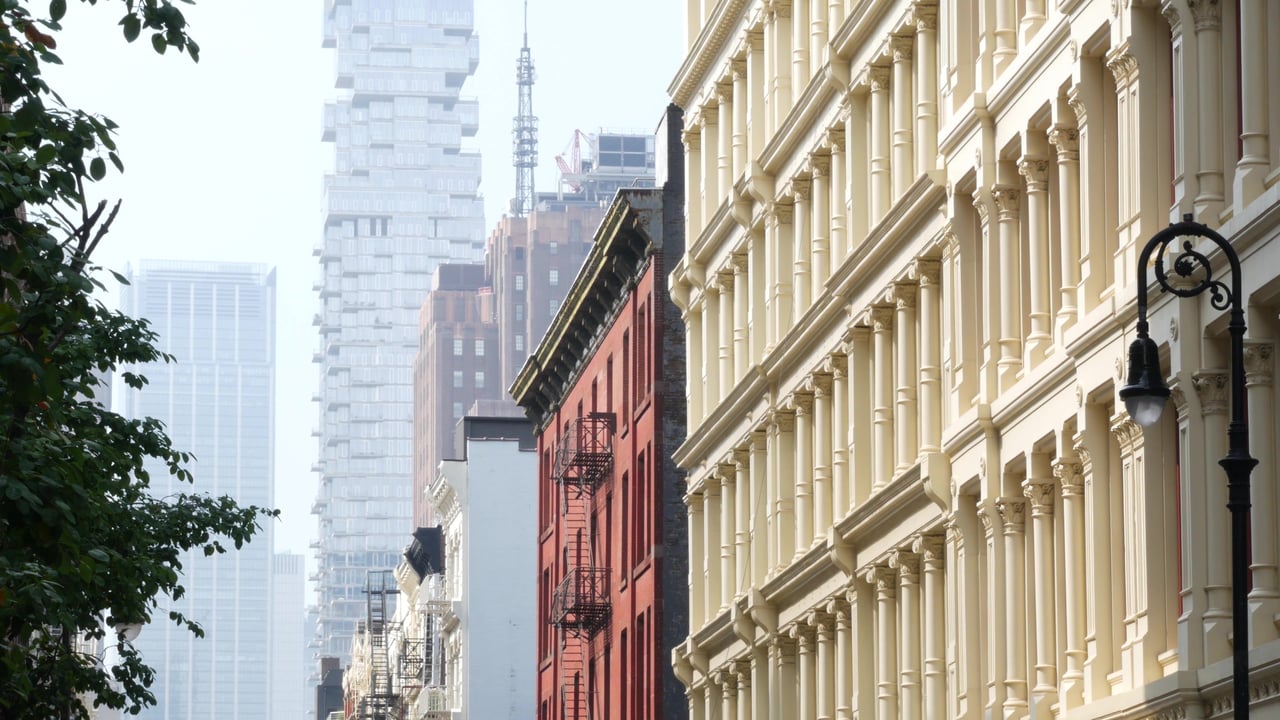
Tribeca is often talked about as a loft neighborhood, but that only tells part of the story. The area includes multiple historic districts, including Tribeca East, North, South, South Extension, and West, and those designations continue to shape what changes and what stays.
The neighborhood also sits within the Special Tribeca Mixed Use District, which was designed to support a mix of uses, including housing in converted buildings alongside controlled nonresidential activity. In practical terms, that means Tribeca still carries the structure of its industrial past, even as newer residential buildings add a more modern layer.
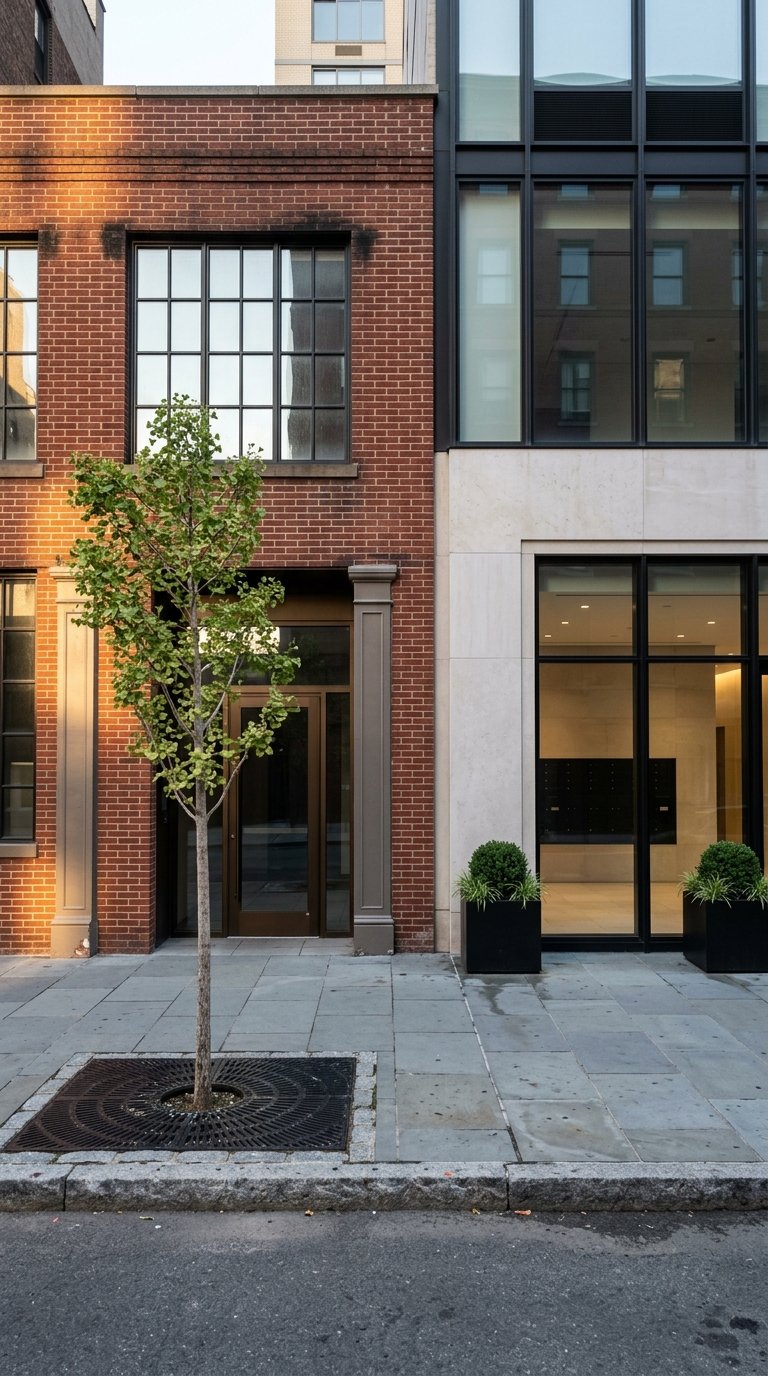
That tension between preservation and reinvention is what gives Tribeca its distinct personality. You can feel it in the streetscape, in the scale of the buildings, and especially in the homes themselves.
Brick Tribeca: The Original Voice
For many buyers, classic Tribeca begins with brick, cast iron, and volume. Planning documents describe the neighborhood as a former manufacturing area where residential use became concentrated in older seven- to eleven-story converted industrial buildings.
That history still shows up inside many homes. A classic warehouse-style loft often offers high ceilings, oversized windows, exposed brick, and open layouts shaped from industrial shells rather than conventional apartment plans.
This is part of the appeal. Instead of feeling standardized, these homes often feel deeply individual, with room proportions and architectural details that give the space a strong identity.
What a Classic Loft Often Offers
If you are comparing older Tribeca homes, you may notice a few common themes:
- High ceilings that create a sense of volume
- Exposed brick and original industrial character
- Large windows that bring in generous light
- Open plans that may be adapted with built-ins or custom partitions
- Columns, texture, and irregular details that make the home feel one of a kind
That kind of home can appeal to buyers who care about architecture as much as square footage. The layout may be less formulaic, but the tradeoff is often a stronger sense of place.
The Lifestyle Behind the Architecture
Living in a converted warehouse loft can feel more personal and less programmed. The experience is often about the home itself, with its proportions, materiality, and the quiet confidence of a building that has been adapted over time.
For some people, that is the essence of Tribeca. The brick side of the neighborhood can feel like its original voice, with a residential life built into structures that still reflect the area’s industrial history.
Glass Tribeca: The New Vertical Chapter
Newer Tribeca towers offer a different kind of luxury. Where older loft buildings often emphasize texture and spatial character, glass-and-steel residences tend to emphasize views, service, and amenities.
This is the part of Tribeca that feels more curated and more vertically oriented. Buildings like 56 Leonard, 111 Murray, and 30 Park Place show how the neighborhood has expanded beyond warehouse conversion into full-service luxury living.
What Newer Towers Often Offer
The tower experience in Tribeca can include features such as:
- Floor-to-ceiling or near full-height window walls
- Private outdoor space in select residences
- Fitness and wellness amenities
- Pools, lounges, and recreation areas
- Hotel-style services or service-oriented design
- Shared spaces designed for entertaining or working
At 56 Leonard, amenities include a library lounge, indoor and outdoor theater, a 75-foot infinity-edge lap pool, fitness spaces, and more. At 111 Murray, the building offers more than 20,000 square feet of amenities, including a lounge, pool, spa, and recreation spaces. At 30 Park Place, condominium living is paired with a Four Seasons Hotel, along with restaurants, meeting facilities, spa, pool, and fitness amenities.
How Tower Living Feels Different
If the warehouse side of Tribeca feels expressive and architectural, the tower side often feels seamless and service-driven. The appeal is not just the residence itself, but the ease of the full package.
For buyers who prioritize amenity access, dramatic views, and a more lock-and-leave lifestyle, this version of Tribeca can be especially compelling. It offers a downtown address with a more contemporary residential rhythm.
Daily Life in Tribeca
No matter which style of home you prefer, daily life in Tribeca tends to be more grounded than flashy. The neighborhood blends historic streets with modern architecture, and much of its appeal comes from routine rather than spectacle.
Washington Market Park plays an important role in that rhythm. It includes a community garden, three playgrounds, a lawn, basketball and tennis courts, a butterfly garden, and a gazebo, making it a meaningful local anchor for outdoor time and neighborhood connection.
The Tribeca Greenmarket adds another weekly ritual. It runs year-round on Saturdays on Greenwich Street between Chambers and Duane Streets and has served the neighborhood since 1981.
Hudson River Park expands that lifestyle even further. Pier 25 includes mini golf, a skatepark, beach volleyball, a playground, a dog park, and marina activity, while Pier 26 offers a science playground, tide deck, and kayaking.
What That Means for You
If you are trying to picture everyday life here, think less about constant buzz and more about steady livability. Tribeca supports routines built around park time, market runs, riverfront walks, and neighborhood-scale convenience.
That helps explain why the area appeals to a wide range of buyers. The architecture may differ sharply from one building to another, but the lifestyle often feels calm, established, and well-rooted.
Brick or Glass: How to Choose
The right fit depends on what you value most in a home. In Tribeca, the choice is rarely just aesthetic. It usually reflects how you want to live.
Choose Brick if You Value Character
A classic loft may be the stronger fit if you want:
- Architectural texture and history
- Larger-feeling rooms and high ceilings
- A home with a unique layout or design language
- A residence that feels tied to Tribeca’s industrial past
These homes often resonate with buyers who see real estate as both lifestyle and design decision. The experience is less standardized and often more expressive.
Choose Glass if You Value Service
A newer tower may be the better fit if you want:
- Extensive amenities and wellness spaces
- Concierge-style or hotel-adjacent living
- Modern layouts and newer building systems
- Higher-floor views and a more contemporary atmosphere
This side of Tribeca can work well for buyers who want convenience, privacy, and a polished turnkey environment.
How Tribeca Compares Nearby
If you are still refining your search, nearby neighborhoods can help clarify what you want. The easiest comparisons are SoHo/NoHo and Hudson Square.
SoHo is described in the planning review as being dominated by four- to six-story residential buildings with ground-floor retail. If you like the downtown feel but want more retail energy in the immediate environment, that comparison may help.
Hudson Square offers a different reference point. The same review describes it as having high-density residential buildings, hotels, office space, converted lofts, and newer towers, making it a useful comparison if you are leaning toward Tribeca’s more tower-forward side.
In other words, Tribeca sits between those modes. It can give you loft history and modern luxury in the same neighborhood, which is a rare combination in Manhattan.
What Sellers Should Understand
If you own in Tribeca, the brick-versus-glass distinction is not a small marketing detail. It shapes buyer expectations, the story of the property, and the pool of likely interest.
A warehouse conversion should usually be presented through its architectural details, scale, and individuality. A newer tower residence often benefits from a narrative centered on service, amenities, views, and contemporary design.
That is especially important in a neighborhood where both product types exist side by side. The strongest positioning is usually the one that clearly explains not just what the home is, but what kind of Tribeca life it offers.
The Real Appeal of Tribeca
Tribeca’s enduring strength is that it does not force one version of downtown living. It gives you a choice between homes that feel storied and homes that feel streamlined, all within a neighborhood that still reads as grounded, historic, and distinctly Manhattan.
That is why the decision between brick and glass matters. In Tribeca, you are not just choosing a building type. You are choosing the version of downtown life that fits you best.
If you are considering a purchase, sale, or rental move in Tribeca or nearby downtown neighborhoods, James Weiss NYC offers discreet, full-service guidance tailored to Manhattan’s architecturally notable and high-value homes.
FAQs
What makes Tribeca different from other downtown Manhattan neighborhoods?
- Tribeca combines historic warehouse conversions, newer luxury towers, and a daily lifestyle centered on parks, markets, and riverfront access.
What is the difference between brick and glass homes in Tribeca?
- Brick homes are typically older loft conversions with more industrial character, while glass homes are usually newer towers with more amenities, services, and contemporary design.
What does daily life in Tribeca look like for residents?
- Daily life in Tribeca often includes time at Washington Market Park, Saturday visits to the Tribeca Greenmarket, and outdoor recreation along Hudson River Park.
What should buyers look for in a classic Tribeca loft?
- Buyers often focus on ceiling height, window scale, exposed materials, layout flexibility, and the overall architectural feel of the space.
What should buyers expect from newer Tribeca condo towers?
- Newer Tribeca condo towers often offer extensive amenity packages, wellness spaces, shared lounges, and a more service-oriented residential experience.
How should sellers position a Tribeca home for the market?
- Sellers should tailor the property story to the home type, highlighting architectural character for lofts or service, views, and amenities for newer tower residences.